Can I Combine Chimp Tracking with Gorilla Trekking?
March 5, 2026
When Is the Best Season for Chimpanzee Tracking?
March 5, 2026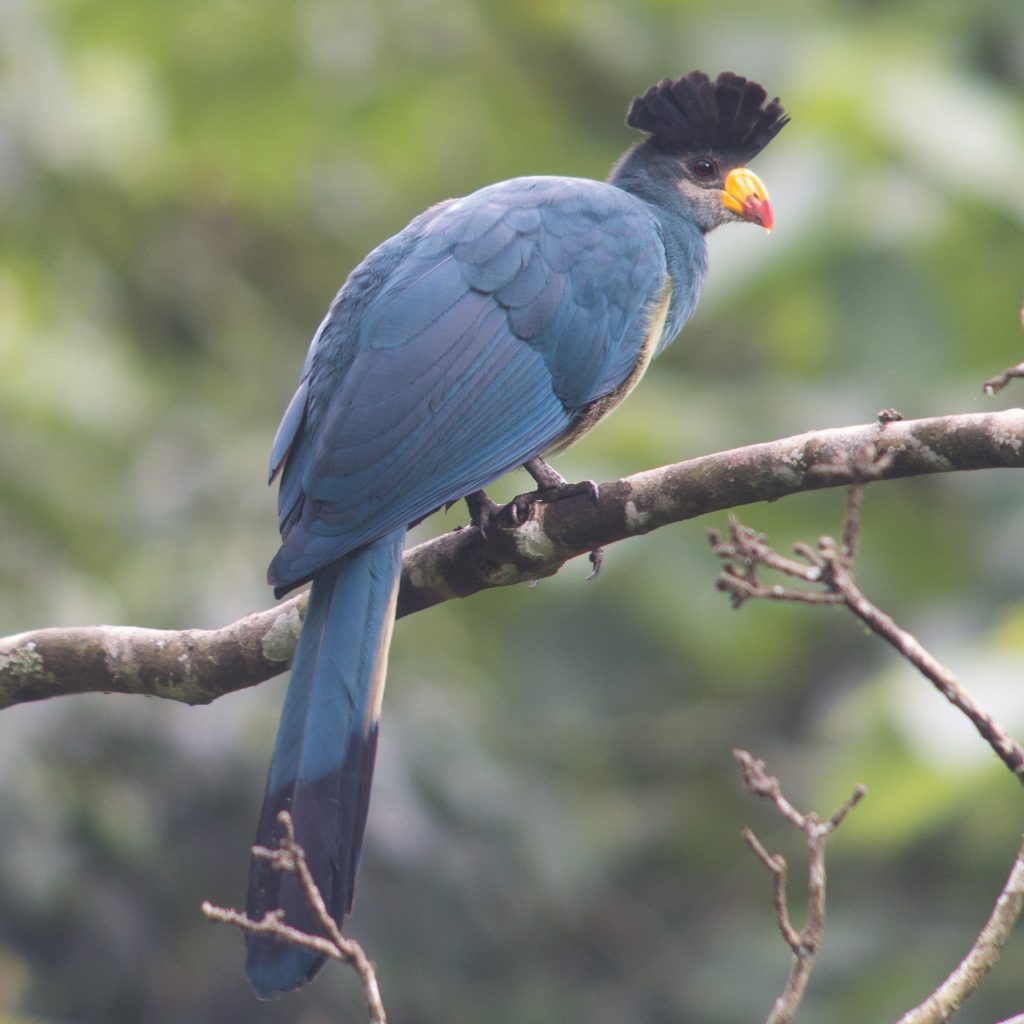
What Birds Can I See During Chimp Tracking?
Travelers exploring Uganda Safaris and Rwanda Safaris frequently ask, What Birds Can I See During Chimp Tracking? This question highlights the incredible biodiversity that accompanies chimpanzee trekking. While chimpanzees are the main attraction, the forests of Kibale Forest National Park and Nyungwe Forest National Park are also home to a remarkable variety of bird species, making the experience a dual adventure in primate observation and birdwatching. Trekking through dense rainforest, families, photographers, and birding enthusiasts can spot everything from colorful turacos to rare sunbirds, elevating a standard wildlife safari into a full sensory experience. Understanding What Birds Can I See During Chimp Tracking allows travelers to prepare binoculars, cameras, and field guides, ensuring they maximize both educational and aesthetic value during their safari.
Chimpanzee trekking trails pass through lush, undisturbed forest ecosystems, where canopy-dwelling species like the Great Blue Turaco or the African Green Broadbill can be glimpsed among the treetops. Observant trekkers may also notice vibrant forest understory birds such as the Red-throated Twinspot or the Black-billed Turaco. These birding opportunities complement the chimpanzee sightings, offering visitors a multi-layered wildlife encounter that highlights Uganda and Rwanda as premier destinations for Uganda Birding Safaris and primate tracking combined. By asking What Birds Can I See During Chimp Tracking, travelers gain insight into the forest’s ecological richness and the chance to enjoy a balanced wildlife experience on a Uganda Best Safari.
African Fly-in Safaris guides travelers through these forests with professional knowledge, pointing out rare and endemic species while ensuring safety near chimpanzees. Combining chimpanzee observation with birding enhances awareness of conservation priorities, demonstrating how preserving primate habitats supports broader biodiversity. By addressing What Birds Can I See During Chimp Tracking, we create an immersive, educational, and safe experience that highlights the forest’s vibrant life while promoting responsible tourism.
What Birds Can I See During Chimp Tracking in Kibale Forest National Park, Uganda?
For visitors on Uganda Safaris, Kibale Forest National Park is one of the most celebrated destinations for combining primate trekking with birdwatching. When asking What Birds Can I See During Chimp Tracking, travelers discover that Kibale hosts over 375 bird species, ranging from colorful forest canopy birds to understory and ground-dwelling species. Iconic species include the Great Blue Turaco, African Emerald Cuckoo, Grey Parrot, and various sunbirds that display vibrant plumage against the green forest backdrop.
How Can Travelers Reach Kibale Forest National Park?
Most international visitors arrive via Entebbe International Airport, followed by a scenic six-to-seven-hour drive through western Uganda. The journey passes through rolling hills, coffee and tea plantations, and rural communities, providing opportunities to combine wildlife observation with Uganda Cultural Safaris. Travelers seeking shorter transfers may fly to Fort Portal or Kihihi airstrips, reducing travel time while accessing the park efficiently.
What Are the Birdwatching Expectations During Chimp Trekking?
Guided treks in Kibale typically last two to six hours, depending on the chimpanzee location. During these excursions, travelers can spot canopy species like the Black-billed Turaco or White-naped Pigeon, while understory and mid-level species such as the Red-throated Twinspot, African Olive Pigeon, and various flycatchers may also appear. Observers are encouraged to bring binoculars and a camera with a zoom lens, and guides provide expert identification tips to enrich the experience. Combining this trekking with Uganda Birding Safaris allows bird enthusiasts to plan extended excursions that complement chimpanzee observation, creating a holistic Uganda Best Safari.
How Much Does Chimpanzee Trekking Cost in Kibale?
Trekking permits in Kibale cost approximately USD 150 per person, contributing to conservation, local community projects, and park management. African Fly-in Safaris ensures all permits and guided experiences are professionally arranged, allowing travelers to enjoy birdwatching and primate tracking safely and conveniently.
When Is the Best Time for Birdwatching During Chimp Tracking?
Dry seasons from June to September and December to February provide optimal trekking and birding conditions. Trails are easier to navigate, and bird activity is heightened during these periods, allowing trekkers to witness courtship behaviors, feeding patterns, and vibrant displays of endemic species. Combining chimpanzee trekking with birdwatching enhances the educational and recreational aspects of Uganda Safaris, giving travelers the best chance to see a rich diversity of avian life.
What Birds Can I See During Chimp Tracking in Nyungwe Forest National Park, Rwanda?
Travelers planning Rwanda Safaris often select Nyungwe Forest National Park for its unique combination of chimpanzee observation and exceptional birding. When asking What Birds Can I See During Chimp Tracking, visitors discover over 300 bird species inhabiting this pristine rainforest. Iconic examples include the Ruwenzori Turaco, African Green Broadbill, Handsome Francolin, and numerous sunbirds. The forest provides habitat for endemic species, offering unmatched birding opportunities alongside primate trekking adventures.
How Can Travelers Reach Nyungwe Forest National Park?
Most visitors arrive via Kigali International Airport, followed by a scenic four-to-five-hour drive through Rwanda’s rolling hills, tea plantations, and rural communities. Dry seasons from June to September and December to February are recommended for safer trails, better wildlife visibility, and more active bird behavior. Combining chimpanzee tracking with birdwatching and Uganda Cultural Safaris creates an enriched experience suitable for both families and avid wildlife enthusiasts.
What Are the Birdwatching Expectations During Trekking in Nyungwe?
Guided treks last two to five hours depending on the chimpanzee groups’ location. Travelers may observe canopy dwellers such as the Great Blue Turaco, or forest mid-level species like the Mountain Greenbul. Expert guides provide detailed commentary, pointing out rare species, mating displays, and feeding habits. Photography and binoculars are essential for appreciating the forest’s avian diversity. Integrating birdwatching with chimpanzee trekking transforms the safari into a multi-faceted experience, appealing to both wildlife enthusiasts and families seeking an immersive Uganda Best Safari.
How Much Does Chimpanzee Trekking Cost in Nyungwe?
Permit fees range between USD 90–100 per person, contributing to primate research, forest conservation, and community initiatives. African Fly-in Safaris ensures all permits and guides are handled professionally, providing a seamless, safe, and educational trekking and birdwatching adventure.
When Is the Best Time for Birdwatching During Chimp Trekking in Nyungwe?
Optimal trekking and birdwatching conditions coincide with dry periods from June to September and December to February, when trails are safer, bird activity is heightened, and chimpanzee sightings are more predictable. Combining chimpanzee trekking with birdwatching and cultural experiences ensures a comprehensive and memorable Rwanda Safari.
Why Choose African Fly-in Safaris for Chimp Trekking and Birding?
Travelers asking What Birds Can I See During Chimp Tracking benefit from African Fly-in Safaris’ expertise in Uganda Safaris and Rwanda Safaris. Our team offers curated itineraries that combine chimpanzee tracking, birdwatching, and cultural experiences. Guides provide professional identification tips, enhance safety, and create educational opportunities for visitors of all ages. By exploring both primates and avian species, travelers enjoy a fully immersive Uganda Best Safari, supporting conservation, research, and community development while capturing unforgettable wildlife experiences.