
Masai Mara National Park
Masai Mara National Park represent the very essence of African safari travel, offering a timeless wilderness experience that has captivated global travelers for decades. Located in southwestern Kenya along the border with Tanzania, Masai Mara National Reserve was officially established in 1961 and has since grown into one of the most celebrated wildlife conservation areas in the world. Covering approximately 1,510 square kilometers, the reserve forms the northern extension of the greater Serengeti ecosystem, creating an uninterrupted landscape where wildlife moves freely across international boundaries. Masai Mara National Park are internationally renowned for delivering unmatched game viewing, dramatic landscapes, and deep cultural connections.
Unlike many destinations, Masai Mara National Park provide consistent wildlife sightings throughout the year due to permanent rivers, fertile grasslands, and balanced ecosystems. Kenya Safaris centered on the Masai Mara appeal to first-time visitors and seasoned explorers alike, offering both classic safari imagery and immersive learning experiences. Through expertly guided game drives and carefully curated itineraries, African Fly-in Safaris positions Masai Mara National Park as a benchmark for excellence within Kenya Wildlife Safaris, combining authenticity, conservation ethics, and luxury options that suit diverse travel styles.
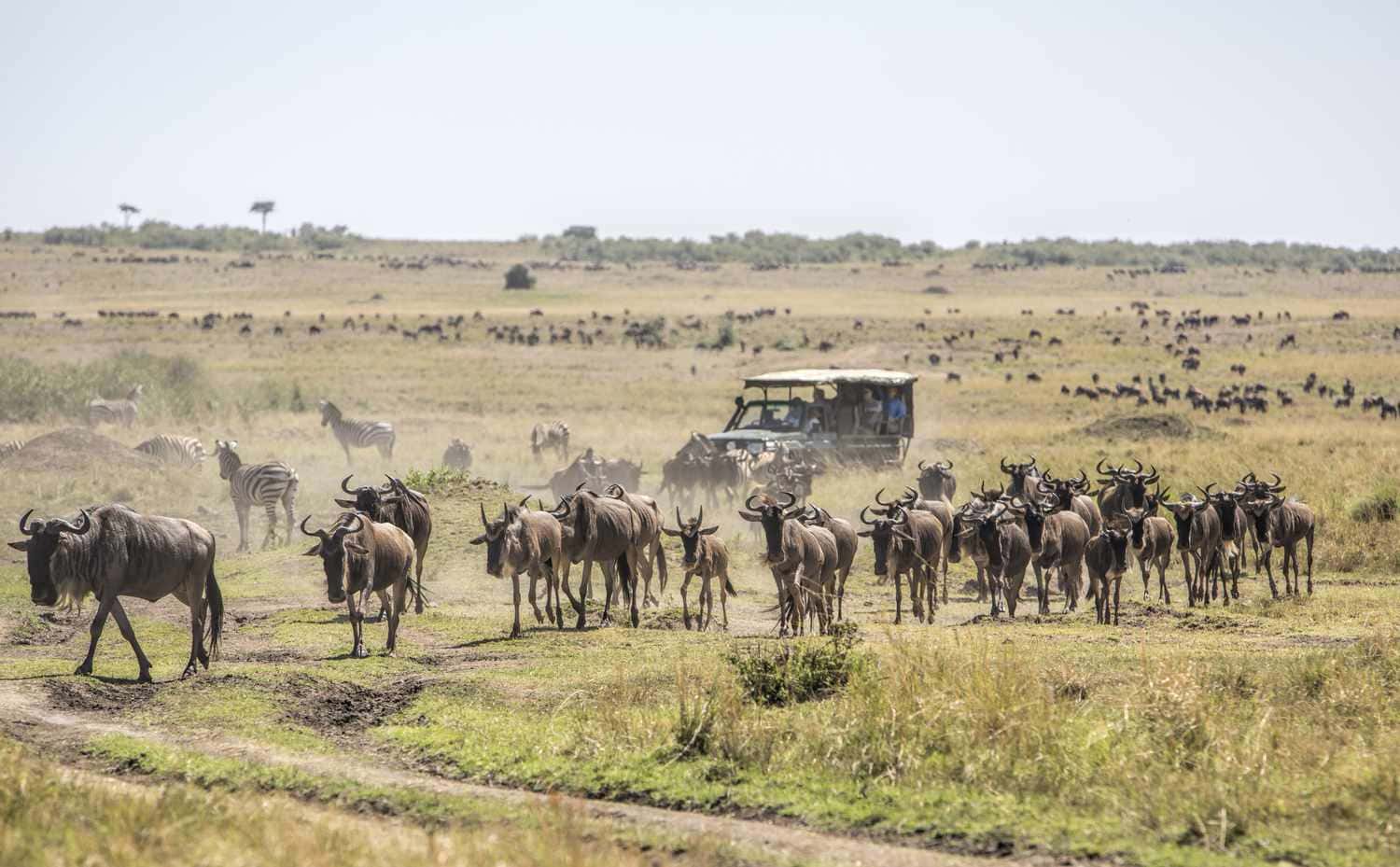
Masai Mara National Park
Masai Mara National Park and Kenya Wildlife Safaris
Masai Mara National Park stand at the heart of Kenya Wildlife Safaris, delivering one of the highest concentrations of wild animals on the African continent. Vast open plains dotted with acacia trees create ideal conditions for observing predators and prey in action, making every game drive an opportunity for discovery. Lions dominate the savannah, cheetahs sprint across open grasslands, leopards rest in riverine woodlands, and elephants move in family groups across migration corridors. Masai Mara National Park also support healthy populations of buffaloes, giraffes, zebras, topis, elands, and numerous antelope species.
Beyond sheer numbers, Masai Mara National Park offer extraordinary wildlife behavior encounters, including hunting sequences, territorial displays, and seasonal movements. Kenya Best Safaris frequently highlight the Masai Mara due to its reliability and diversity, allowing travelers to witness the full drama of the African wilderness within a relatively compact area. Through African Fly-in Safaris, guests benefit from experienced driver-guides whose deep knowledge enhances interpretation, ensuring that every Kenya Wildlife Safari within the Masai Mara becomes both educational and unforgettable.
Masai Mara National Park and the Great Migration
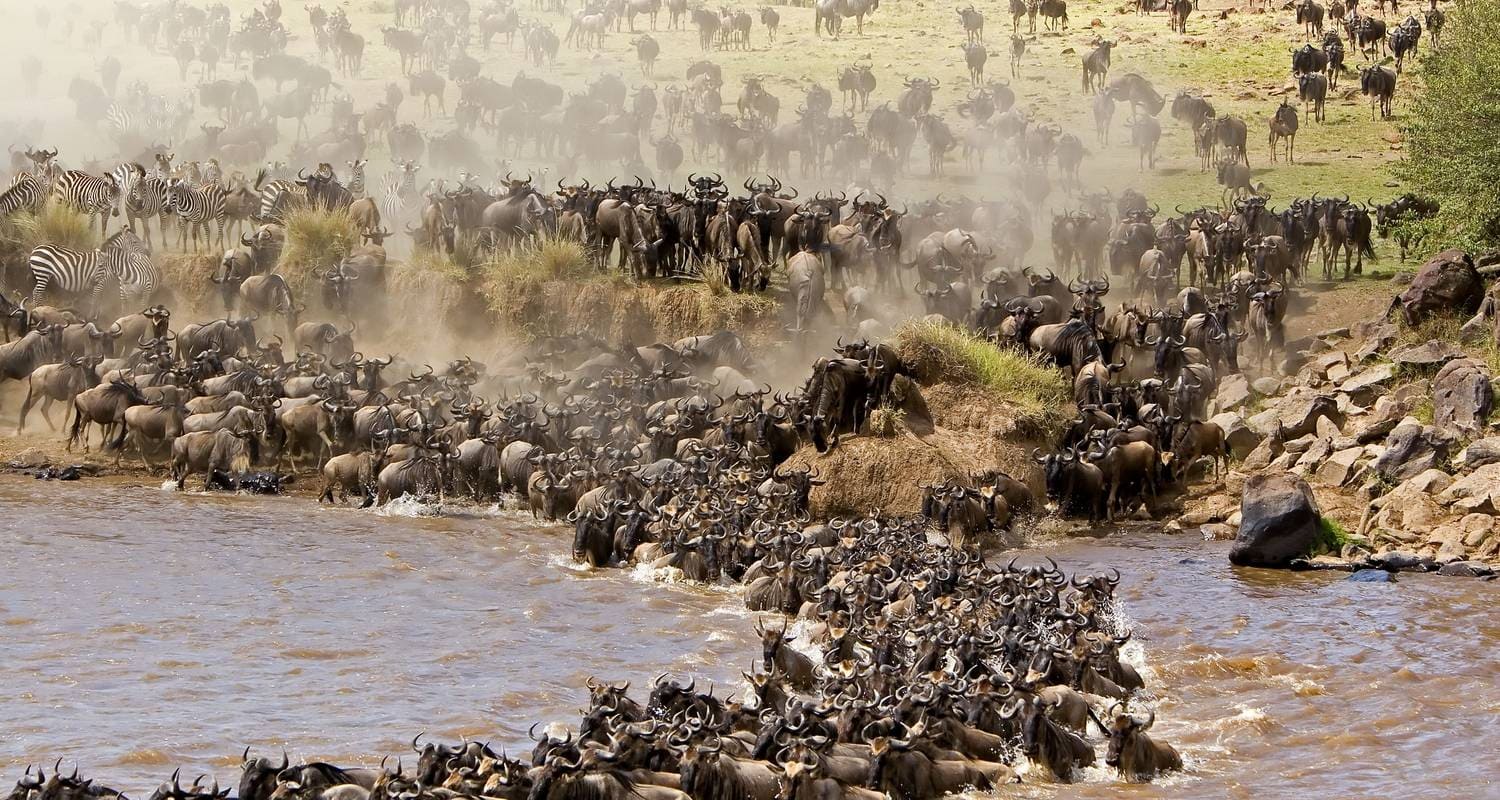
Masai Mara National Park are globally synonymous with the Great Migration, one of nature’s most spectacular wildlife phenomena. Each year, over two million wildebeest, zebras, and gazelles move between Tanzania’s Serengeti and Kenya’s Masai Mara in search of fresh grazing and water. Masai Mara National Park typically host the migration between July and October, when herds cross the Mara River in dramatic scenes filled with dust, splashes, and predator ambushes.
Few experiences rival the intensity of witnessing river crossings during Masai Mara National Park, where crocodiles lurk beneath the surface and lions await on riverbanks. Kenya Safaris focused on the Great Migration attract wildlife photographers, documentary filmmakers, and adventure travelers seeking raw, unscripted moments. African Fly-in Safaris designs migration itineraries with strategic timing and location planning, maximizing viewing opportunities while maintaining ethical wildlife viewing practices. Kenya Wildlife Safaris during the migration season transform the Masai Mara into a living theatre of survival, movement, and natural balance.
Masai Mara National Park and Kenya Birding Safaris
Masai Mara National Park also play a significant role in Kenya Birding Safaris, offering an impressive diversity of over 470 recorded bird species. Grasslands, rivers, forests, and seasonal wetlands create habitats that attract both resident and migratory birds. Masai Mara National Park allow birdwatchers to observe species such as the Secretary Bird, Lilac-breasted Roller, Martial Eagle, and Saddle-billed Stork in open and accessible environments.
Raptors soar above the plains while colorful songbirds occupy woodland edges, providing excellent opportunities for photography and identification. Kenya Birding Safaris in the Masai Mara are particularly rewarding during migration seasons, when Palearctic species arrive in large numbers. African Fly-in Safaris integrates birding seamlessly into game drives, ensuring that both dedicated birders and general safari travelers enjoy a well-rounded wildlife experience. Kenya Best Safaris often include the Masai Mara for travelers seeking both iconic mammals and rich avian diversity.
Masai Mara National Park and Kenya Cultural Safaris
Masai Mara National Park are deeply enriched by Kenya Cultural Safaris that highlight the traditions of the Maasai people, one of Africa’s most recognizable indigenous communities. Living around the reserve, the Maasai have maintained their pastoral lifestyle, vibrant attire, and cultural identity for generations. Masai Mara National Park often include guided cultural visits where travelers learn about Maasai customs, cattle-keeping traditions, and social structures.
Authentic Kenya Cultural Safaris within the Masai Mara may feature village visits, traditional dances, storytelling, and demonstrations of beadwork craftsmanship. Cultural engagement enhances Masai Mara National Park by providing historical and social context to the landscape, helping visitors understand how people and wildlife coexist. African Fly-in Safaris curates these interactions responsibly, ensuring respectful exchange, fair compensation, and community empowerment. Kenya Safaris gain depth and meaning when cultural understanding complements wildlife exploration.
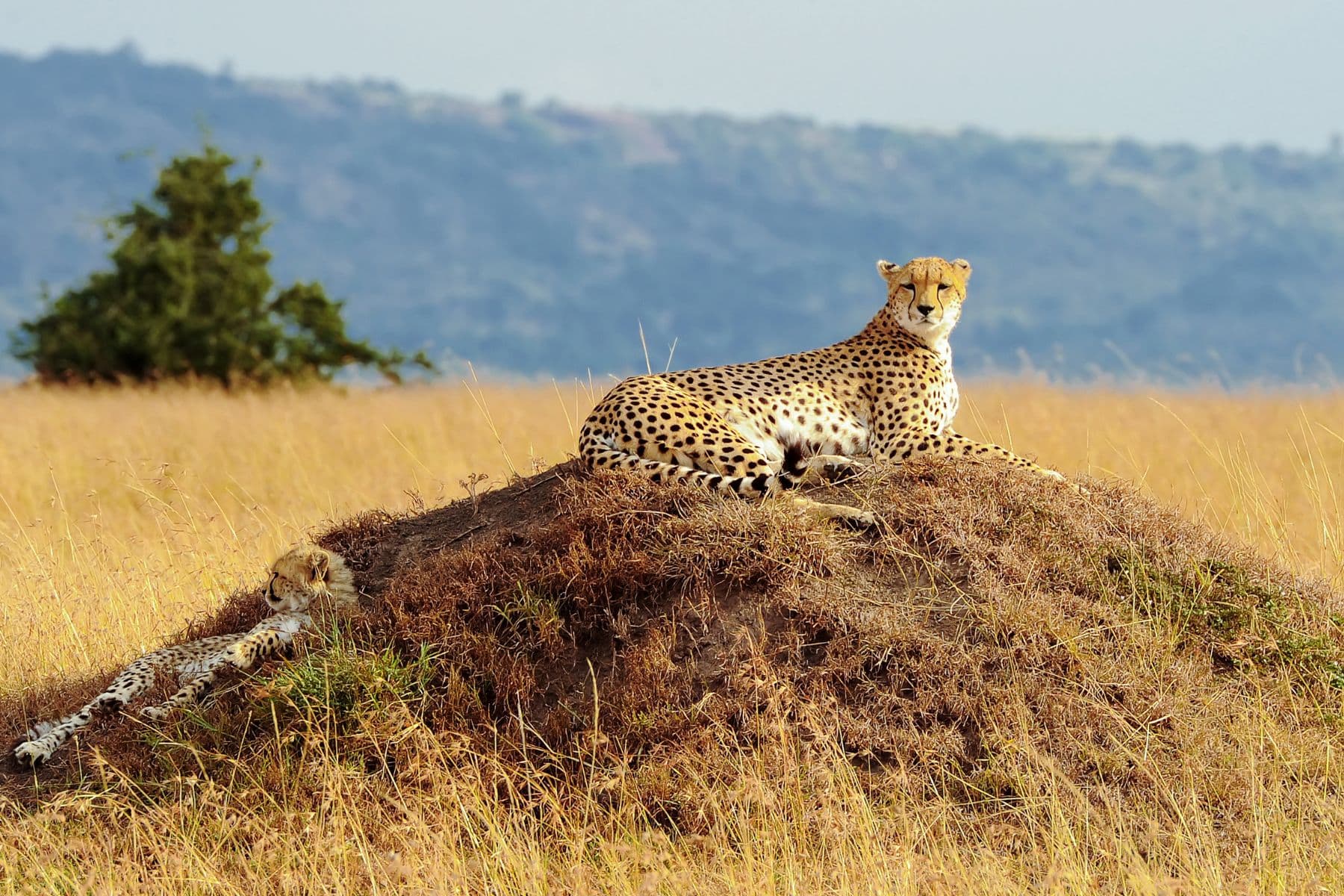
Majestic Wonders of Masai Mara National Park
Masai Mara National Park reveal a landscape of extraordinary beauty shaped by rolling plains, winding rivers, and dramatic skies. The Mara and Talek Rivers form lifelines for wildlife, attracting animals throughout the year and creating scenic focal points for photography. Masai Mara National Park offer breathtaking sunrise and sunset views, where golden light transforms the savannah into a painter’s canvas.
Seasonal changes enhance the park’s visual appeal, from lush green grasslands after rainfall to golden hues during drier months. Kenya Best Safaris frequently emphasize the Masai Mara’s open terrain, which allows uninterrupted views and intimate wildlife encounters. Through carefully planned itineraries, African Fly-in Safaris ensures that guests experience the full majesty of Masai Mara National Park, balancing adventure with comfort and conservation awareness.
Combining Masai Mara National Park with Uganda Gorilla Trekking
Masai Mara National Park can be seamlessly combined with Uganda Gorilla Trekking to create a multi-country African adventure. Travelers can begin with classic savannah wildlife encounters in Kenya before flying to Uganda for intimate gorilla trekking experiences in Bwindi Impenetrable National Park. Masai Mara National Park provide a dramatic contrast to forest-based primate encounters, offering diversity and value within one itinerary.
Kenya Safaris paired with Uganda Gorilla Trekking appeal to travelers seeking both iconic big-game experiences and rare primate interactions. African Fly-in Safaris specializes in cross-border safari planning, ensuring smooth logistics, permit coordination, and personalized itineraries. Kenya Wildlife Safaris gain international appeal when combined with Uganda’s world-renowned gorilla experiences, creating a comprehensive East African journey.
Planning Recommendations for Masai Mara National Park
Careful planning enhances the quality of Masai Mara National Park and ensures a rewarding experience. The best time to visit depends on traveler interests, with July to October ideal for the Great Migration and January to March offering excellent predator sightings with fewer crowds. Comfortable safari clothing, binoculars, sun protection, and camera equipment are essential for game drives. Advance reservations are strongly recommended during peak seasons.
Accommodation options within and around the reserve range from luxury lodges to mobile tented camps, each offering unique perspectives on the wilderness. Kenya Wildlife Safaris thrive when guided by experienced professionals who prioritize safety and ethical practices. African Fly-in Safaris provides expert advice, tailored itineraries, and on-ground support, ensuring that every Masai Mara National Park Safari meets global standards of excellence.
When is the best time to enjoy Masai Mara National Park?
July to October is ideal for witnessing the Great Migration, while January to March offers excellent wildlife viewing with fewer visitors and pleasant weather.
How much does a Masai Mara National Park Safari cost?
Prices typically range from USD 350 to USD 800 per person per day, depending on accommodation level, safari activities, season, and itinerary inclusions.

Why Masai Mara National Park Define Kenya’s Safari Legacy
Masai Mara National Park remain the gold standard of Kenya Safaris, combining extraordinary wildlife density, cultural richness, and iconic landscapes. Through Kenya Wildlife Safaris, Kenya Birding Safaris, Kenya Cultural Safaris, and the unforgettable Great Migration, the Masai Mara delivers a complete and transformative safari experience. African Fly-in Safaris brings expertise, trust, and ethical responsibility to every journey, positioning the brand as a reliable authority in African tourism.
Masai Mara National Park ultimately offer travelers a rare opportunity to connect with nature, culture, and conservation in one of Africa’s most legendary destinations—creating memories that endure long after the journey ends.