
Mabamba Swamp
Mabamba Swamp provide travelers with an unforgettable wildlife and birdwatching experience in one of Uganda’s most unique ecosystems. Located just 32 kilometers southwest of Kampala along the shores of Lake Victoria, Mabamba Swamp is internationally renowned for its abundant birdlife, wetland biodiversity, and tranquil scenery. Established in 2006 as a protected Ramsar wetland site, Mabamba Swamp spans over 32 square kilometers and is a sanctuary for more than 300 species of birds, making it a top destination for Uganda Birding Safaris and Birdwatchers from around the globe. Beyond birds, the swamp also hosts various wildlife species, rare plants, and local communities whose livelihoods intertwine with this vital wetland. Travelers joining Mabamba Swamp can expect not only exhilarating encounters with the legendary Shoebill Stork but also cultural insights, sustainable tourism practices, and an introduction to Uganda’s conservation efforts.
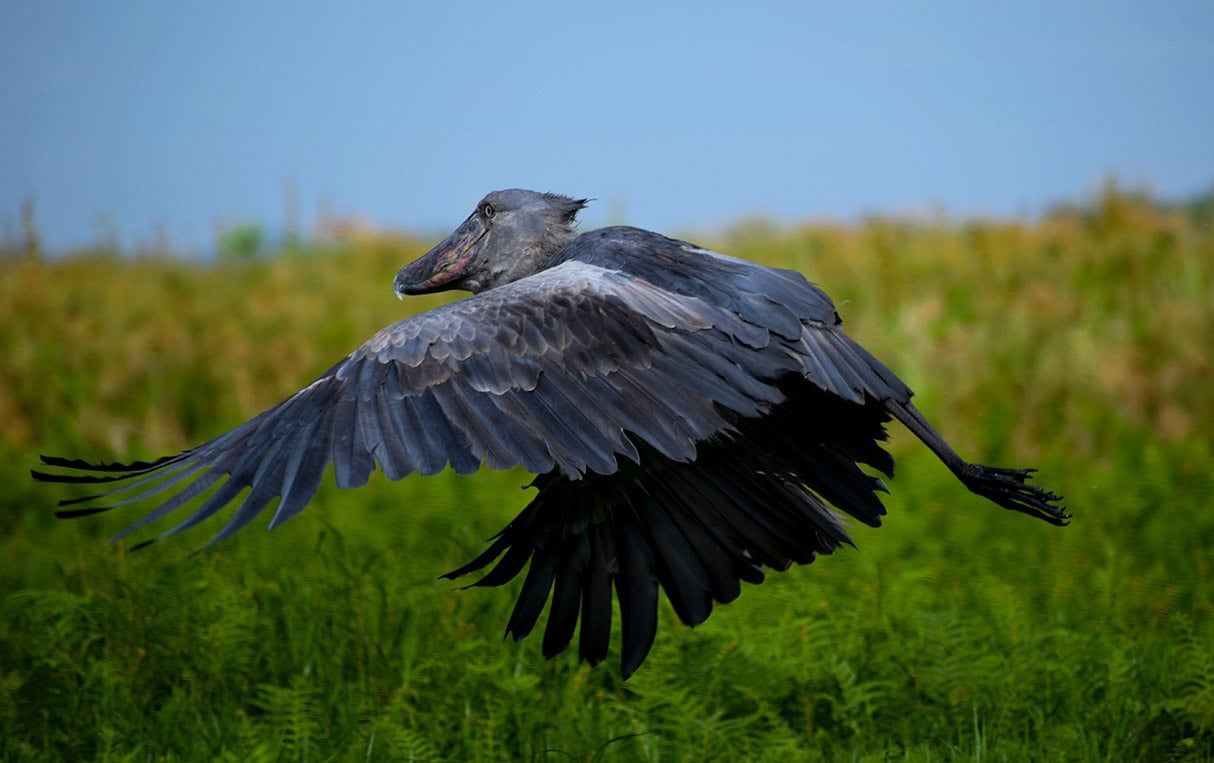
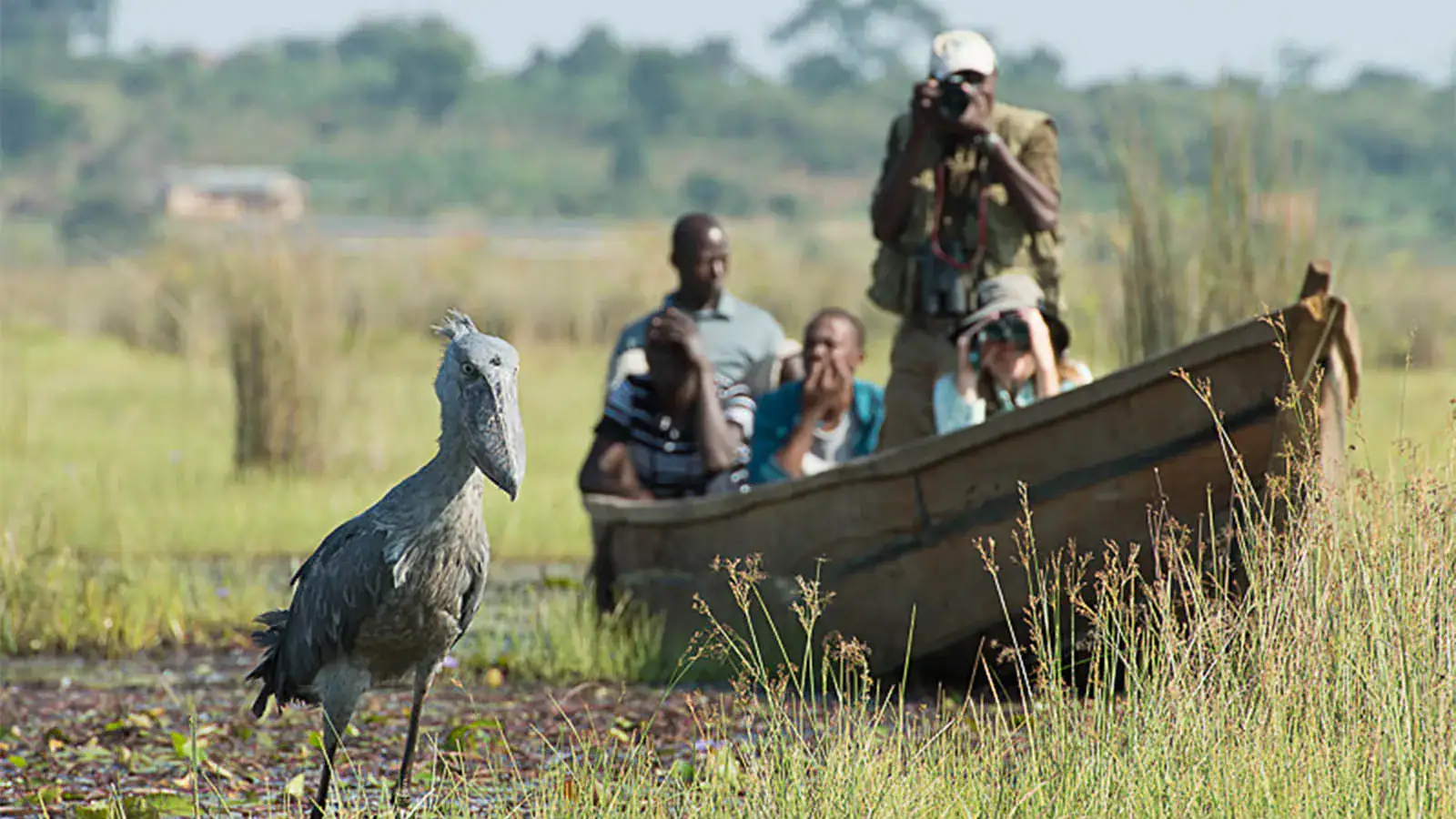
Visitors embarking on Mabamba Swamp are immediately immersed in a serene environment dominated by papyrus swamps, small channels, and lush aquatic vegetation. Canoe rides through these waterways allow for close-up sightings of elusive species, including the world-famous Shoebill Stork, Goliath Heron, African Jacana, and the Malachite Kingfisher. The swamp’s dense papyrus forest provides nesting grounds for many waterbirds, offering Birdwatching Safaris a rewarding and unforgettable experience. Knowledgeable guides ensure that travelers can observe wildlife without disturbing the delicate ecosystem, while sharing fascinating facts about bird behavior, breeding patterns, and the ecological significance of wetland conservation. By combining Uganda Wildlife Safaris with Mabamba Swamp adventures, travelers can complement visits to forested regions like Bwindi or Mgahinga for Gorilla Trekking, creating a diverse Ugandan safari itinerary.
Mabamba Swamp
Uganda Birding Safaris: The Shoebill Experience
Mabamba Swamp are world-famous for providing unparalleled opportunities to spot the elusive Shoebill Stork, one of Africa’s most iconic and rare bird species. Birdwatchers and nature enthusiasts often travel specifically to Mabamba to witness this prehistoric-looking bird in its natural habitat. Early morning excursions are ideal for observing Shoebills feeding, hunting fish, and occasionally interacting with one another in their marshland territory. In addition to Shoebills, the swamp supports a rich variety of birdlife, including Little Grebes, Black Herons, African Fish Eagles, and numerous species of kingfishers and egrets. Each trip is carefully designed to enhance sightings, improve photographic opportunities, and ensure that visitors leave with lasting memories of Uganda’s wetland biodiversity.
The swamp also offers immersive educational experiences. Guides explain how Mabamba Swamp functions as a critical ecosystem supporting fish populations, migratory birds, and local agriculture. Sustainable practices, such as regulated canoe tours and responsible wildlife observation, ensure that the swamp remains pristine while generating income for local communities. Birdwatching enthusiasts can combine Mabamba Swamp with nearby attractions like Entebbe Botanical Gardens or a Gorilla Trekking Safari in Bwindi Impenetrable Forest, providing a comprehensive wildlife experience that spans Uganda’s aquatic and forested habitats. These experiences elevate Mabamba Swamp as a must-visit destination for anyone seeking Uganda Best Safaris that combine adventure, education, and conservation.
Cultural Safaris: Engaging Local Communities
Beyond its rich birdlife, Mabamba Swamp also offer meaningful cultural encounters. The communities surrounding Mabamba Swamp, predominantly fishermen and small-scale farmers, have lived in harmony with the wetlands for generations. Travelers can participate in Uganda Cultural Safaris by visiting local villages, observing traditional fishing techniques, and learning about sustainable practices that support both community livelihoods and wildlife conservation. Cultural interactions often include demonstrations of papyrus mat weaving, storytelling sessions, and local cuisine tasting, providing travelers with an intimate understanding of the relationship between people and the wetland ecosystem.
Guests also have the opportunity to witness seasonal festivals and traditional ceremonies that celebrate Uganda’s heritage and connection to nature. Engaging in these cultural activities complements the wildlife experience, making Mabamba Swamp not just about birdwatching but about understanding Uganda’s holistic approach to preserving both biodiversity and cultural identity. By integrating these experiences into a safari itinerary, travelers gain a unique perspective on how tourism can support conservation while promoting cultural exchange and sustainability.
Majestic Wonders of Mabamba Swamp
Mabamba Swamp showcase the majestic wonders of Uganda’s wetland ecosystems. Visitors can marvel at the reflective waterways, dense papyrus forests, and vibrant bird colonies that thrive in this protected habitat. Canoe trips provide intimate encounters with wildlife, allowing travelers to glide silently past nests of herons, kingfishers, and the rare Shoebill, capturing the perfect moments for photography. In addition to avian species, the swamp supports small mammals, reptiles, and amphibians, creating a biodiverse environment that is as captivating as it is fragile. The natural beauty of Mabamba Swamp, combined with the thrill of spotting rare birds, positions it as one of the Uganda Best Safaris, particularly for travelers seeking specialized birdwatching experiences in East Africa.
Every visit emphasizes the importance of conservation. Guides educate travelers about the threats facing the swamp, including habitat degradation, water pollution, and human encroachment. By supporting responsible tourism, visitors contribute directly to ongoing efforts to protect Mabamba Swamp for future generations. Wildlife observation, photography, and cultural interaction converge in a seamless experience, ensuring that every safari here is both enjoyable and meaningful.
Planning Recommendations for Mabamba Swamp
Planning a trip to Mabamba Swamp requires strategic preparation to make the most of the experience. The best time for Mabamba Swamp is during the dry seasons, from June to August and December to February, when water levels are low, wildlife activity is higher, and canoe rides are more accessible. Early mornings are ideal for spotting Shoebills and other bird species, as these times coincide with their peak feeding activity. Visitors should wear neutral-colored clothing, waterproof footwear, and carry binoculars, cameras, and insect repellent for comfort and optimal wildlife observation.
Accommodations near Mabamba range from eco-lodges to mid-range guesthouses, offering convenience and comfort for travelers. Many safari operators, including African Fly-in Safaris, provide combined itineraries that integrate Mabamba Swamp with Gorilla Trekking or other Uganda Wildlife Safaris, enabling guests to experience Uganda’s iconic species and habitats in one seamless journey. Professional guides, sustainable practices, and customized safari plans ensure that every visit to Mabamba Swamp is both memorable and responsible.
When is the best time for a Mabamba Swamp Safari?
The optimal time to visit Mabamba Swamp is during the dry seasons from June to August and December to February. Early morning excursions are recommended for the best chance of spotting the Shoebill Stork and other rare bird species.
 How much does a Mabamba Swamp Safari cost?
Costs vary depending on tour duration, type of safari, and accommodation. On average, a guided Mabamba Swamp Safari ranges from $150 to $300 per person per day. Optional activities such as extended birdwatching tours or combined Gorilla Trekking packages may incur additional fees.
Conclusion: Why Mabamba Swamp Are Unmissable
Mabamba Swamp offer travelers a unique blend of adventure, wildlife observation, and cultural engagement. From encountering the legendary Shoebill Stork to exploring Uganda’s vibrant wetland ecosystem and interacting with local communities, every moment provides unforgettable insights into the country’s biodiversity and heritage. Combining Mabamba Swamp with Gorilla Trekking or other wildlife excursions enhances the safari experience, offering a full spectrum of Uganda’s natural wonders.
With expert guides, sustainable practices, and rich educational opportunities, Mabamba Swamp position Uganda as a premier destination for both birdwatchers and general wildlife enthusiasts. For travelers seeking authentic, transformative, and responsible safari experiences, Mabamba Swamp provides unmatched encounters, ensuring lasting memories of Uganda’s ecological and cultural treasures.