How Long Does Chimp Tracking Take?
March 5, 2026
Are Chimpanzees Aggressive?
March 5, 2026
What Is the Difference Between Chimp Tracking and Habituation?
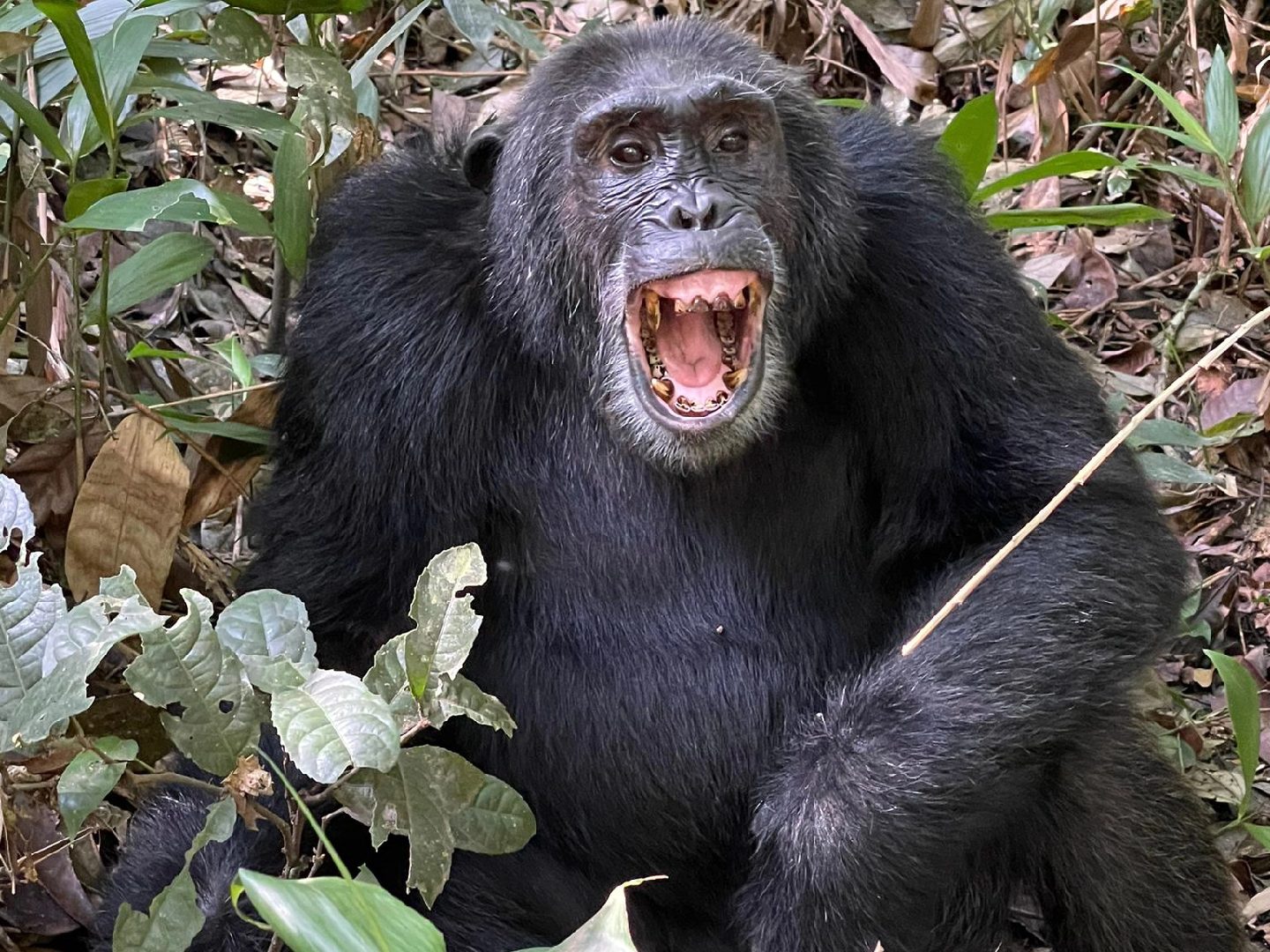
Travelers planning expert Uganda Safaris and Rwanda Safaris frequently ask, What Is the Difference Between Chimp Tracking and Habituation? This question is vital for those seeking an immersive primate adventure because it defines the type of encounter, level of interaction, and overall safari experience. Chimpanzee tracking involves visiting already habituated groups of wild chimpanzees to observe their natural behaviors, while habituation is the ongoing process of gradually accustoming wild chimpanzees to human presence for long-term research and conservation purposes. Understanding these distinctions allows tourists to choose experiences that align with their interests, fitness levels, and photography goals, while supporting conservation initiatives that protect these endangered primates.
Destinations such as Kibale Forest National Park and Nyungwe Forest National Park are globally recognized for providing both chimpanzee tracking and habituation experiences. During chimp tracking, visitors follow professional guides and trackers to locate habituated groups, witnessing feeding, grooming, social interactions, and vocalizations in their natural habitat. Conversely, chimp habituation offers a rare opportunity to participate in the slow process of building trust between humans and unhabituated wild chimpanzees, providing researchers with vital data while travelers gain a unique, behind-the-scenes insight into primate behavior. Both activities can be combined with Uganda Birding Safaris and Uganda Cultural Safaris, enriching the overall adventure and offering a holistic East African wildlife experience.
Reputable safari operators such as African Fly-in Safaris provide essential guidance for travelers deciding between chimp tracking and habituation. By explaining What Is the Difference Between Chimp Tracking and Habituation, guests can make informed choices that maximize enjoyment, safety, and learning opportunities. Each experience offers a distinct perspective on chimpanzee life, with tracking emphasizing observation and photography of habituated groups, while habituation immerses travelers in the conservation and research process. Understanding these differences ensures every visitor enjoys a meaningful Uganda Best Safari while contributing positively to primate protection and sustainable tourism efforts.
7 Days Uganda Chimpanzee, Wildlife, and Gorilla Trekking Safari
What Is the Difference Between Chimp Tracking and Habituation in Kibale Forest National Park, Uganda?
For those prioritizing expert Uganda Safaris, Kibale Forest National Park is a premier destination offering both chimpanzee tracking and habituation experiences. When asking What Is the Difference Between Chimp Tracking and Habituation, visitors quickly realize that tracking is designed for tourists seeking observation of already habituated chimpanzee groups. In contrast, habituation experiences allow researchers, conservation volunteers, and a limited number of tourists to participate in the gradual process of familiarizing wild chimpanzees with human presence, often requiring more time, patience, and guidance from experts.
How Can Travelers Reach Kibale Forest National Park?
Most international guests begin their journey by flying into Entebbe International Airport before embarking on a scenic road transfer of approximately six to seven hours to southwestern Uganda. The journey passes through picturesque landscapes, tea plantations, and rural villages, offering opportunities for cultural immersion that can be integrated into Uganda Cultural Safaris. Travelers opting for habituation experiences should plan for slightly more extended stays in the region to accommodate the full habituation program.
What Are the Expectations During Chimp Tracking and Habituation?
During chimp tracking, groups are guided by expert trackers who locate habituated chimpanzees within the forest. Treks can last between two and six hours depending on chimp movements, with visitors observing social behaviors such as grooming, feeding, and playful interactions. In habituation experiences, participants may spend several hours daily following unhabituated chimpanzees, carefully observing without interfering, while assisting researchers with data collection. These sessions offer an unparalleled learning opportunity and deeper connection with primate conservation work, appealing to travelers with a strong interest in ecology, biology, or conservation.
How Much Does Chimp Tracking and Habituation Cost in Kibale?
Chimp tracking permits in Kibale Forest typically cost around USD 150 per person, supporting conservation initiatives and local communities. Habituation experiences are more specialized, often costing between USD 200–250 per person, reflecting the additional expertise, time, and small-group nature of the activity. Fees directly contribute to primate protection, forest preservation, and community development surrounding the park.
When Is the Best Time for Chimp Tracking and Habituation?
Dry seasons between June and September and December to February are ideal for trekking and habituation activities. Trails are more navigable, visibility is enhanced, and wildlife activity is more predictable. Travelers combining these experiences with Uganda Birding Safaris or photography excursions benefit from optimal light and clearer forest conditions.
What Is the Difference Between Chimp Tracking and Habituation in Nyungwe Forest National Park, Rwanda?
International travelers seeking premier Rwanda Safaris often visit Nyungwe Forest National Park, a destination offering both chimpanzee tracking and specialized habituation programs. When asking What Is the Difference Between Chimp Tracking and Habituation, tourists discover that Nyungwe provides a smaller, more intimate trekking environment compared to Kibale. Chimp tracking allows visitors to observe habituated groups while hiking through scenic rainforests, while habituation gives participants a unique opportunity to assist researchers and observe unhabituated chimpanzees as trust is gradually established.
How Can Travelers Reach Nyungwe Forest National Park?
Visitors usually arrive via Kigali International Airport, followed by a scenic four-to-five-hour drive to the park. The route showcases Rwanda’s iconic hills, tea plantations, and villages, providing travelers with cultural experiences that can be integrated into Uganda Cultural Safaris or cross-border itineraries. Planning trips during dry seasons enhances accessibility and ensures a comfortable, safer trekking experience.
What Are the Expectations During Chimp Tracking and Habituation?
Trekking groups follow guides to locate habituated chimpanzee families, observing natural behaviors such as feeding, grooming, and interaction among juveniles. Habituation experiences involve careful observation and patience, often with small groups assisting researchers with behavioral monitoring and ecological data collection. Both experiences provide photography opportunities, with tracking focusing on capturing active chimpanzees in their natural habitat, while habituation offers unique insights into the process of building trust and studying behavior.
How Much Does Chimp Tracking and Habituation Cost in Nyungwe?
Chimp tracking permits in Nyungwe cost approximately USD 90–100 per person, while habituation experiences may cost slightly higher due to the exclusive nature of the program. Fees contribute to forest conservation, research initiatives, and community support programs surrounding the park.
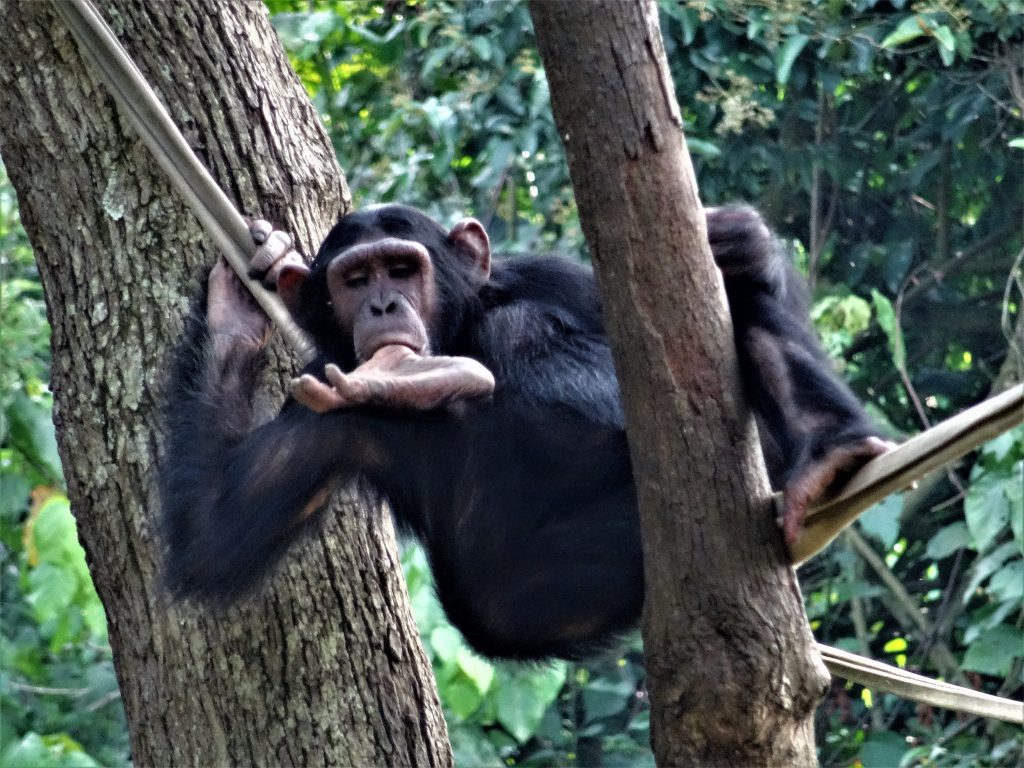
When Is the Best Time for Chimp Tracking and Habituation?
Dry periods from June to September and December to February provide ideal conditions. Trails are firmer, wildlife is easier to spot, and forest photography opportunities are optimal. Combining chimpanzee experiences with Uganda Birding Safaris or cultural visits ensures a comprehensive East African wildlife adventure.
Why Choose African Fly-in Safaris for Chimpanzee Tracking and Habituation?
Travelers exploring What Is the Difference Between Chimp Tracking and Habituation benefit from African Fly-in Safaris’ extensive expertise in East African wildlife tourism. Our team specializes in Uganda Safaris and Rwanda Safaris, ensuring safe, comfortable, and educational experiences tailored to each traveler’s interests and abilities.
We manage all logistics, including permit reservations, transportation, accommodations, and guided treks, while providing expert advice on trekking, photography, and conservation practices. Carefully designed itineraries combine chimpanzee experiences with Uganda Birding Safaris and Uganda Cultural Safaris, creating a well-rounded and unforgettable Uganda Best Safari. Travelers gain knowledge, appreciation, and a direct role in conservation efforts, making every visit meaningful and responsible. Understanding What Is the Difference Between Chimp Tracking and Habituation ensures visitors choose the right experience to match their expectations while supporting sustainable tourism and primate protection.