What Is the Best Season for Uganda Birding Safaris?
March 5, 2026
Are Birding Safaris Suitable for Beginners?
March 5, 2026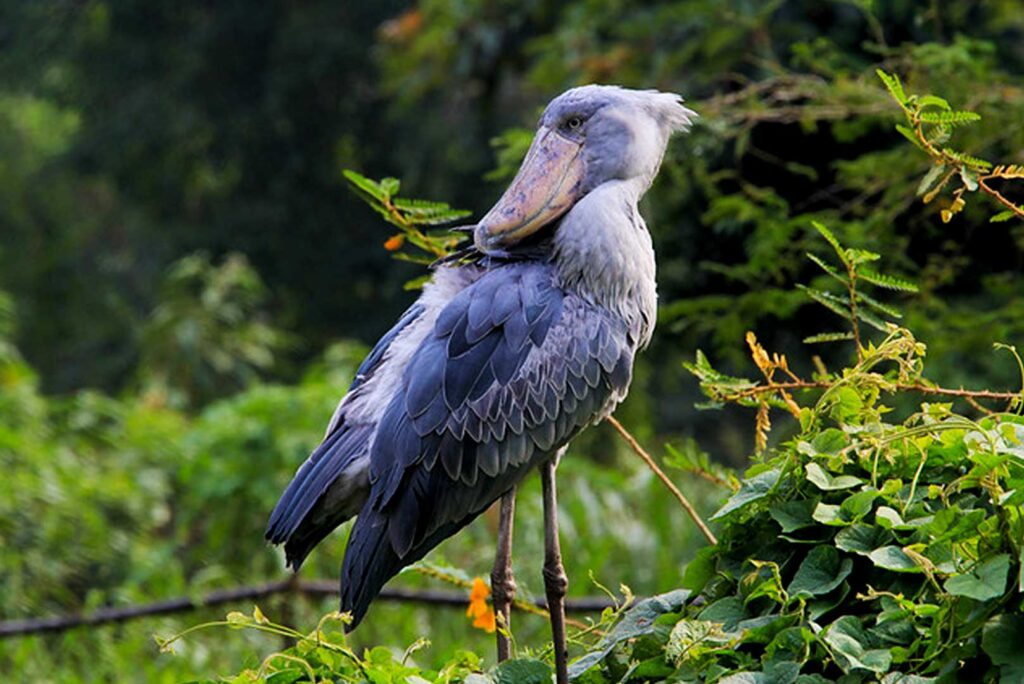
Which Parks Are Best for Birdwatching?
Discover Uganda’s Ultimate Birding Safari Destinations
Uganda stands among the most rewarding birdwatching destinations in the world, attracting nature enthusiasts, ornithologists, and safari travelers seeking extraordinary encounters with Africa’s most colorful and rare bird species. Known as the “Pearl of Africa,” this remarkable country hosts over 1,090 recorded bird species, representing nearly half of Africa’s bird population within a relatively small geographical area. Such exceptional biodiversity makes Uganda one of the leading locations for Uganda Birding Safaris, offering travelers an unparalleled opportunity to observe forest birds, savannah species, wetland specialists, and Albertine Rift endemics within a single safari experience.
When travelers ask, “Which Parks Are Best for Birdwatching?”, the answer lies within Uganda’s extraordinary network of protected ecosystems. Each national park offers unique habitats that support specialized bird communities, ranging from tropical rainforests and papyrus swamps to open savannah grasslands. These environments create ideal conditions for immersive Uganda Wildlife Safaris, where birdwatching blends seamlessly with sightings of iconic wildlife, breathtaking landscapes, and authentic Uganda Cultural Safaris that reveal the traditions of local communities living alongside nature.
Understanding which parks are best for birdwatching is essential when planning the Uganda Best Safari itinerary. Certain destinations stand out for their exceptional bird diversity, rare species, and accessibility for both beginner and experienced birders. Uganda’s top birding parks include Bwindi Impenetrable National Park, Queen Elizabeth National Park, Mabamba Swamp, Semuliki National Park, and Murchison Falls National Park. Each destination provides distinct birding experiences supported by expert guides, scenic trails, and remarkable ecological diversity.
African Fly-in Safaris specializes in expertly guided Uganda Safaristhat combine professional birding expertise with responsible tourism practices. Every journey is designed to connect travelers with Uganda’s extraordinary birdlife while ensuring comfort, safety, and authentic cultural engagement. This carefully curated overview explores the best destinations answering the question “Which Parks Are Best for Birdwatching?”, guiding global travelers toward unforgettable wildlife encounters in one of Africa’s most spectacular natural environments.
What Makes Bwindi Impenetrable National Park One of the Best Birdwatching Parks?
Travelers researching Which Parks Are Best for Birdwatching often discover that Bwindi Impenetrable National Park stands among the most remarkable forest birding destinations in Africa. Located in southwestern Uganda along the Albertine Rift Valley, this UNESCO World Heritage Site protects one of the continent’s most ancient rainforests, providing habitat for over 350 bird species including 23 Albertine Rift endemics found nowhere else on Earth.
Dense tropical vegetation forms a breathtaking backdrop for specialized Uganda Birding Safaris, where experienced guides lead visitors through carefully established forest trails in search of rare species. Among the most sought-after sightings are the African green broadbill, Shelley’s crimsonwing, Grauer’s rush warbler, and the handsome francolin. Early morning bird walks often reveal spectacular flocks moving through the forest canopy while sunlight filters through towering trees covered with moss and orchids.
Exploring Which Parks Are Best for Birdwatching becomes especially exciting in Bwindi because birdwatching can be combined with other iconic Uganda Wildlife Safaris, particularly the famous mountain gorilla trekking experience. Birders frequently observe species such as the Rwenzori batis, strange weaver, and black-faced apalis while trekking through the forest ecosystem. This combination of primate encounters and birding opportunities creates one of the most enriching safari experiences in Africa.
Cultural interactions further enhance Uganda Cultural Safaris within the Bwindi region. Local communities including the Batwa people share traditional forest knowledge, music, and storytelling that deepen travelers’ understanding of the ecosystem supporting these rare birds. Such experiences enrich the answer to Which Parks Are Best for Birdwatching, demonstrating how conservation, culture, and biodiversity coexist in this extraordinary landscape.
Bwindi’s cool highland climate allows birdwatching throughout the year, although the dry months between June and September provide particularly comfortable trekking conditions. Because of its exceptional species diversity and conservation significance, Bwindi remains a cornerstone destination for travelers planning the Uganda Best Safari focused on birding adventures.
Birding in Uganda
Why Is Queen Elizabeth National Park a Top Destination for Birding Safaris?
Anyone asking Which Parks Are Best for Birdwatching quickly learns that Queen Elizabeth National Park ranks among Uganda’s most diverse birding landscapes. Situated in western Uganda between Lake Edward and Lake George, this vast protected area contains over 600 recorded bird species, making it one of the richest bird habitats in East Africa.
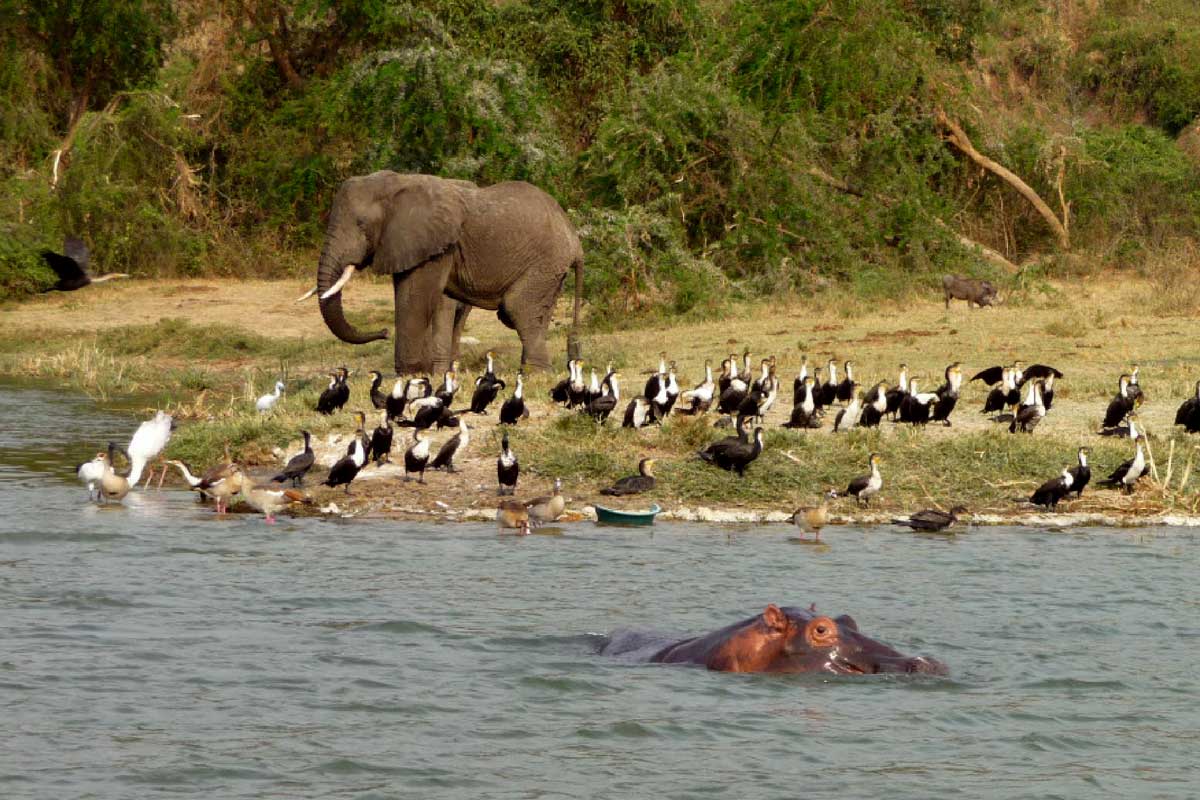
A remarkable range of ecosystems explains why Queen Elizabeth frequently appears in discussions about Which Parks Are Best for Birdwatching. Savannah plains, crater lakes, wetlands, and forest patches support numerous species including flamingos, pelicans, African skimmers, martial eagles, and saddle-billed storks. Birdwatchers exploring the Kazinga Channel often witness dense congregations of water birds while hippos and elephants gather along the shoreline, creating exceptional opportunities for Uganda Wildlife Safaris.
Guided boat cruises along the channel represent one of the highlights of Uganda Birding Safaris within the park. These excursions provide close views of kingfishers, herons, cormorants, and fish eagles perched near the water’s edge. Meanwhile, game drives across the Kasenyi plains reveal ground hornbills, secretary birds, and numerous raptors soaring across open savannah landscapes.
The Ishasha sector further strengthens the park’s reputation when exploring Which Parks Are Best for Birdwatching. This remote region hosts a unique combination of birdlife and the famous tree-climbing lions, making it a spectacular location where birding seamlessly merges with classic Uganda Safaris wildlife viewing.
Visitors also enjoy immersive Uganda Cultural Safaris in surrounding fishing villages and rural communities. Local storytelling, fishing traditions, and craft markets offer authentic insights into life around the park’s ecosystems. Such experiences create deeper connections between travelers and the landscapes that sustain both people and wildlife.
Because of its remarkable species diversity, dramatic scenery, and accessible infrastructure, Queen Elizabeth National Park remains a central destination when travelers explore Which Parks Are Best for Birdwatching during a comprehensive Uganda Best Safari experience.
How Does Mabamba Swamp Provide the Ultimate Shoebill Birding Experience?
One of the most exciting answers to Which Parks Are Best for Birdwatching lies just outside Uganda’s capital city. Mabamba Swamp, located on the northern shores of Lake Victoria, is internationally famous for its reliable sightings of the prehistoric-looking shoebill stork, one of Africa’s most sought-after bird species.
Papyrus wetlands dominate this protected ecosystem, creating perfect conditions for specialized Uganda Birding Safaris conducted by canoe. Local guides paddle quietly through narrow water channels while scanning floating vegetation for the towering shoebill standing motionless as it hunts lungfish. Few wildlife encounters equal the thrill of observing this rare bird in its natural habitat.
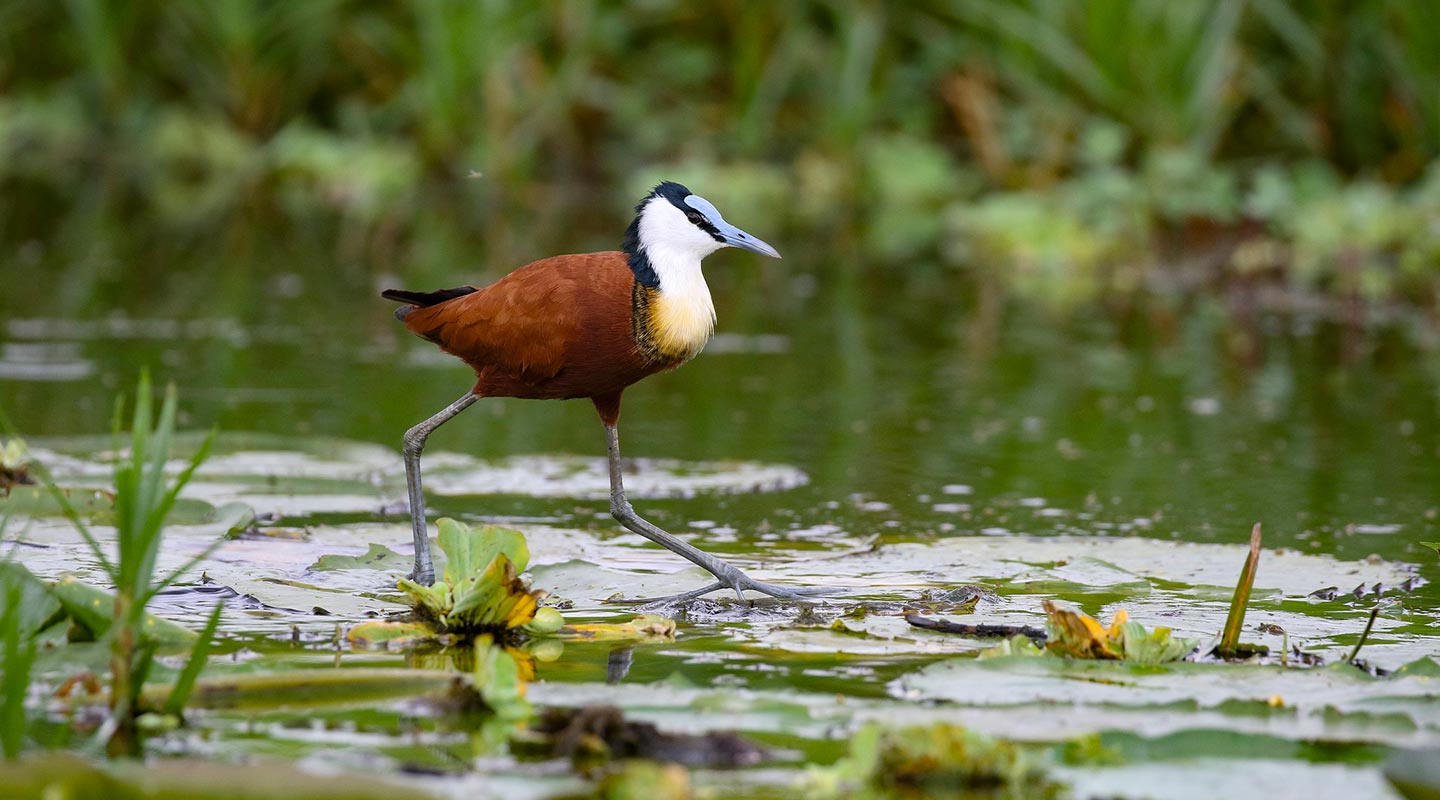
Mabamba’s wetlands support over 300 bird species, making the destination an essential stop for travelers researching Which Parks Are Best for Birdwatching. Species frequently recorded include papyrus gonolek, blue swallow, African jacana, malachite kingfisher, and swamp flycatcher. The tranquil environment allows photographers and bird enthusiasts to observe birds at remarkably close range.
Accessibility plays a major role in Mabamba’s growing popularity within Uganda Safaris. Located approximately one hour from Entebbe, the swamp provides an ideal introduction to Uganda’s birdlife before travelers continue toward national parks for extended Uganda Wildlife Safaris.
Community-led conservation initiatives highlight the importance of responsible tourism within this ecosystem. Local fishermen have become trained birding guides, ensuring that Uganda Cultural Safaris support sustainable livelihoods while protecting critical wetland habitats. Such initiatives strengthen Uganda’s reputation as a leading destination for ethical birdwatching tourism.
Because of its legendary shoebill sightings and exceptional wetland biodiversity, Mabamba Swamp remains a must-visit location for travelers asking Which Parks Are Best for Birdwatching while planning the Uganda Best Safari.
 How Much Does a Uganda Birdwatching Safari Cost?
Understanding the cost of Uganda Birding Safaris helps travelers plan effectively when exploring Which Parks Are Best for Birdwatching. Safari prices typically depend on factors such as travel duration, accommodation category, transportation style, and the number of parks included in the itinerary.
Short birdwatching tours around Mabamba Swamp may cost between $150 and $300 per person, including guide services, canoe excursions, and transportation from Entebbe. Multi-day Uganda Safaris visiting destinations such as Bwindi and Queen Elizabeth National Park generally range from $1,500 to $3,500 per person for mid-range experiences, while luxury Uganda Wildlife Safaris may exceed $5,000 depending on lodge standards and personalized guiding services.
These packages usually include accommodation, meals, park entrance fees, transportation, professional birding guides, and scheduled birdwatching excursions. Travelers combining birding with gorilla trekking or extended wildlife exploration should expect higher costs due to specialized permits and additional safari logistics.
When Is the Best Time for Uganda Birding Safaris?
Seasonal timing plays a crucial role when determining Which Parks Are Best for Birdwatching. Uganda offers excellent birdwatching year-round due to its stable equatorial climate; however, certain months provide particularly rewarding conditions for bird enthusiasts.
The dry seasons from June to September and December to February represent the most comfortable periods for Uganda Safaris. Trails remain accessible, wildlife viewing improves, and bird activity increases during these months. Meanwhile, the wet seasons from March to May and October to November attract migratory birds from Europe and northern Africa, dramatically increasing species diversity across Uganda’s national parks.
Experienced birders often choose these wetter months for specialized Uganda Birding Safaris, as breeding plumage and nesting behavior become more visible during this period.
Why Choose African Fly-in Safaris for Your Uganda Birding Adventure?
Selecting the right safari operator significantly influences the success of any journey exploring Which Parks Are Best for Birdwatching. African Fly-in Safaris stands among Uganda’s trusted tourism companies, offering expertly guided Uganda Safaris designed specifically for birdwatchers, wildlife enthusiasts, photographers, and cultural explorers.
Professional birding guides lead each expedition with extensive knowledge of Uganda’s ecosystems, ensuring travelers identify rare species and understand the ecological significance of each habitat. Carefully designed itineraries combine Uganda Wildlife Safaris, immersive Uganda Cultural Safaris, and unforgettable birdwatching experiences across the country’s most rewarding destinations.
African Fly-in Safaris emphasizes responsible tourism, community partnerships, and conservation awareness. Every journey supports local livelihoods while protecting the habitats that make Uganda one of the world’s greatest birdwatching destinations.