How Many People Share a Safari Vehicle?
March 5, 2026
What Animals Can I See on a Uganda Wildlife Safari?
March 6, 2026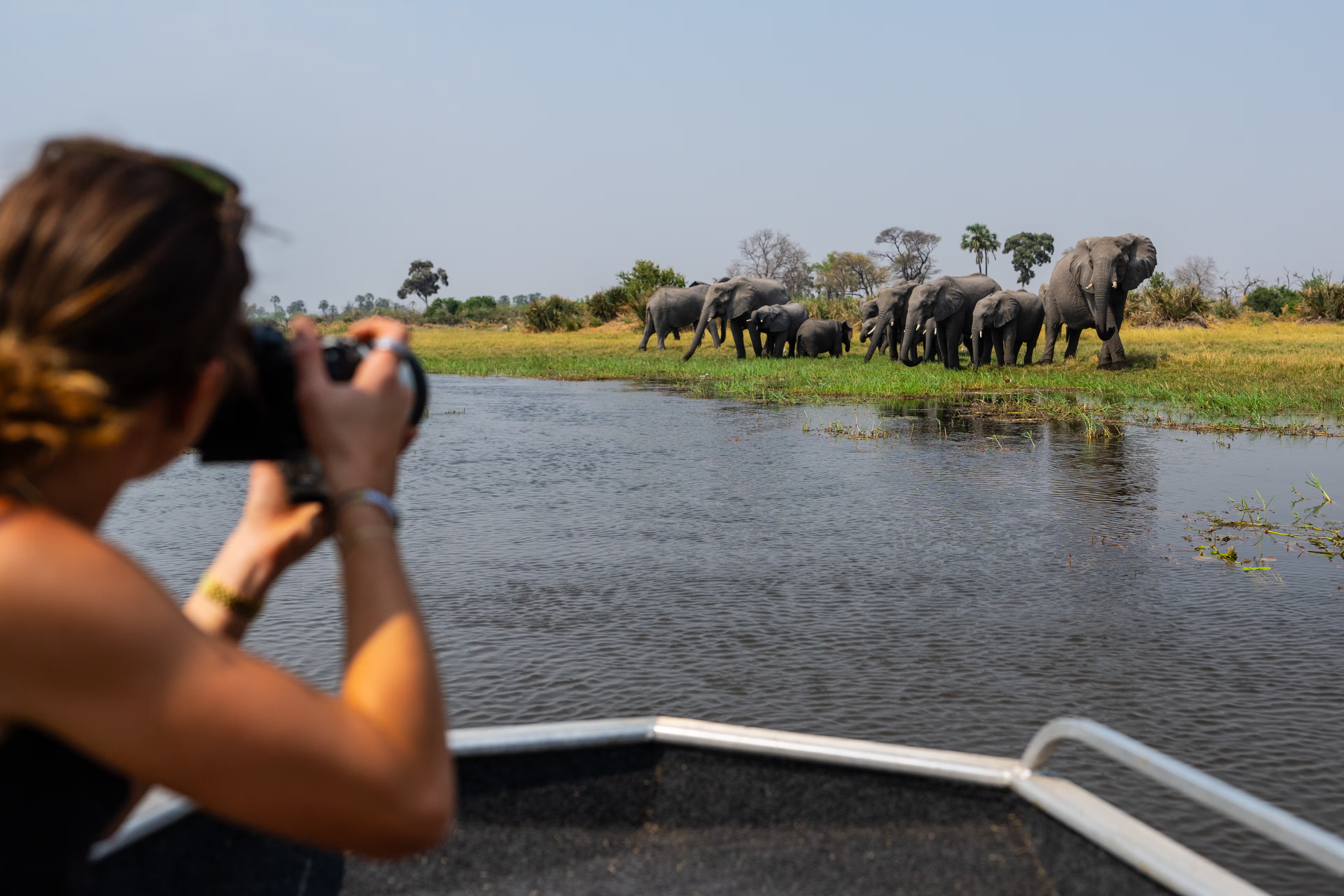
Can I Take Professional Camera Equipment on a Game Drive?
Many travelers preparing for Uganda Safaris often ask, “Can I take professional camera equipment on a game drive?” Capturing Africa’s iconic wildlife and breathtaking landscapes is a priority for both amateur and professional photographers, making this question crucial when planning a Uganda Best Safari. Professional camera equipment, including DSLRs, mirrorless cameras, telephoto lenses, and stabilizers, can significantly enhance the quality of wildlife, birding, and landscape photography. However, knowing how to manage equipment safely, respect park rules, and optimize photography opportunities is essential for both preserving wildlife and ensuring a seamless experience.
Game drives, whether in open savannahs, dense forests, or wetland areas, provide structured access to wildlife under expert guidance. In Uganda Wildlife Safaris and Uganda Birding Safaris, guides assist travelers in positioning for optimal shots, adjusting for lighting conditions, and identifying the best vantage points for elusive species. Most parks allow professional cameras, but drones or excessively bulky gear may be restricted to protect animals and maintain visitor safety. Understanding park-specific regulations and planning equipment logistics ensures that visitors fully benefit from their photography opportunities.
In addition to technical considerations, professional photography on game drives enhances the educational and cultural aspects of a safari. Guides provide insights on animal behavior, bird identification, and habitat characteristics, allowing photographers to capture not only visually striking images but also meaningful ecological narratives. Incorporating professional photography into your itinerary complements Uganda Cultural Safaris, where local communities, traditional practices, and conservation efforts can also be documented responsibly.
African Fly-in Safaris emphasizes the importance of preparation, including selecting suitable lenses, carrying backup batteries, and arranging transportation-friendly gear setups. By addressing the question Can I take professional camera equipment on a game drive?, travelers are empowered to capture extraordinary images while fully participating in a safe, sustainable, and expertly guided Uganda Best Safari experience.
How Do Guidelines for Professional Photography Differ by Park?
Are There Park-Specific Rules for Camera Equipment?
Travelers often ask, “Can I take professional camera equipment on a game drive?” when planning visits to Queen Elizabeth National Park, Uganda’s most visited wildlife destination. This park, home to tree-climbing lions, elephants, hippos, and over 600 bird species, offers incredible opportunities for professional photography. Most parks permit professional cameras and lenses, but guidelines exist to ensure visitor safety and wildlife protection. Telephoto lenses are highly recommended to photograph predators or shy bird species without approaching too closely, while tripods are typically allowed for stationary setups in designated areas rather than in moving vehicles.
Guides provide essential advice on camera handling, positioning, and lighting conditions during both early morning and late afternoon drives. These periods coincide with heightened wildlife activity, offering the best chances for capturing natural behaviors and dramatic landscapes. Photographers also benefit from expertise in spotting rare birds, observing subtle interactions among mammals, and identifying ideal vantage points along the Kazinga Channel.
Professional photography during Uganda Wildlife Safaris in Queen Elizabeth is often paired with Uganda Birding Safaris and Uganda Cultural Safaris, enabling visitors to create a rich visual record of Uganda’s ecosystems, wildlife diversity, and local traditions. Understanding the park-specific rules ensures photographers can maximize their equipment while respecting conservation protocols, ultimately enhancing the overall Uganda Best Safari experience.
Can Professional Camera Equipment Be Used in Bwindi Impenetrable National Park?
What Are the Considerations for Forest Photography?
Visitors frequently inquire, “Can I take professional camera equipment on a game drive?” when preparing for Bwindi Impenetrable National Park, home to endangered mountain gorillas and over 350 bird species. Unlike open savannahs, dense forests present unique challenges for photography, including limited lighting, restricted mobility, and sensitive wildlife habitats. Professional cameras with high ISO capabilities, stabilizers, and lightweight telephoto lenses are recommended to capture low-light forest scenes without disturbing animals.
Gorilla trekking and forest walks allow photographers to document intimate wildlife encounters under strict regulations, including maintaining safe distances from primates and avoiding flash photography. Guides provide expert instruction on positioning, optimal angles, and timing, helping visitors maximize shots while ensuring the safety of both wildlife and participants. Additionally, forest birding photography benefits from expert guidance, as many endemic and elusive species require patient observation and precise timing for successful capture.
Integrating photography into Uganda Birding Safaris and Uganda Cultural Safaris enhances storytelling, showcasing local community engagement and conservation efforts alongside wildlife encounters. By addressing Can I take professional camera equipment on a game drive?, African Fly-in Safaris ensures travelers are well-prepared for technical, ethical, and practical considerations, creating an immersive and responsible Uganda Best Safari experience.
Is Professional Photography Permitted in Mabamba Swamp?
How Can I Capture Wetland Birds and Landscapes Effectively?
Birding enthusiasts often ask, “Can I take professional camera equipment on a game drive?” when planning trips to Mabamba Swamp, one of Uganda’s premier wetlands. Home to the rare shoebill stork and over 300 additional bird species, this ecosystem requires careful management of camera gear to avoid disturbing wildlife. Canoe or small-boat excursions provide a stable platform for photography, while telephoto lenses allow capturing elusive birds at a safe distance.
Guides play a key role in positioning visitors for optimal shots and interpreting bird behaviors, including feeding, nesting, and mating activities. Sunrise and early morning departures offer the best lighting conditions for both still photography and video recording, while mid-morning breaks can be used for adjusting lenses, batteries, and memory storage. Photographers benefit from combining Uganda Birding Safaris with Uganda Cultural Safaris, documenting community interaction with wetland ecosystems and traditional practices that support sustainable conservation.
Understanding Can I take professional camera equipment on a game drive? ensures visitors are prepared for both technical and logistical aspects, maximizing creative opportunities without compromising ethical standards. African Fly-in Safaris provides guidance on gear selection, handling, and park-specific rules, allowing photographers to capture the essence of Uganda’s biodiversity while participating in the Uganda Best Safari responsibly.
How Much Does a Photography-Enhanced Game Drive Cost?
Costs for game drives that accommodate professional photography vary by destination, duration, and level of service. Single-day excursions in Mabamba Swamp or Queen Elizabeth National Park range from $120 to $350 per person, including vehicle, guide, and park fees. Multi-day photography-focused itineraries across Bwindi, Queen Elizabeth, and other hotspots can range from $1,500 to $3,500 per person, with luxury options exceeding $5,000 for private vehicles, high-end lodges, and specialized guiding services.
Packages generally include expert guides trained in wildlife photography, park permits, accommodation, meals, and transport logistics. Understanding these costs allows travelers to plan budget-friendly or premium Uganda Safaris without compromising professional photography opportunities, making each excursion part of a comprehensive Uganda Best Safari.
When Is the Best Time for Professional Photography on Game Drives?
Timing profoundly impacts the success of professional photography during Uganda Wildlife Safaris. Dry seasons, typically from June to September and December to February, offer optimal road conditions, stable lighting, and accessible vantage points for photography. Wet seasons, spanning March to May and October to November, enhance landscapes with lush vegetation, increase bird activity, and provide dynamic opportunities for both wildlife and cultural photography.
Early morning drives are essential for capturing active wildlife and dramatic sunrise lighting, while late afternoon excursions offer softer lighting for landscape photography and behavioral observations. Guides adjust departure times to suit both wildlife activity and photography objectives, ensuring each game drive contributes to an outstanding Uganda Best Safari portfolio.
Why Choose African Fly-in Safaris for Photography-Optimized Game Drives?
Selecting a professional operator ensures travelers fully understand Can I take professional camera equipment on a game drive? African Fly-in Safaris specializes in tailored Uganda Safaris that integrate wildlife exploration, birding, and Uganda Cultural Safaris with professional photography guidance. Experienced guides provide expert instruction on equipment handling, positioning, lighting, and species behavior, maximizing the quality of photographs while ensuring safety and environmental responsibility.
African Fly-in Safaris prioritizes personalized itineraries, ethical photography practices, and immersive experiences. From the savannahs of Queen Elizabeth to the forests of Bwindi and the wetlands of Mabamba, every game drive is curated to optimize professional photography opportunities while delivering the ultimate Uganda Best Safari experience. Guests leave with exceptional visual memories, a deep understanding of Uganda’s ecosystems, and insights into local conservation initiatives.