What Is the Great Migration?
March 4, 2026
When Does the Great Migration Take Place?
March 4, 2026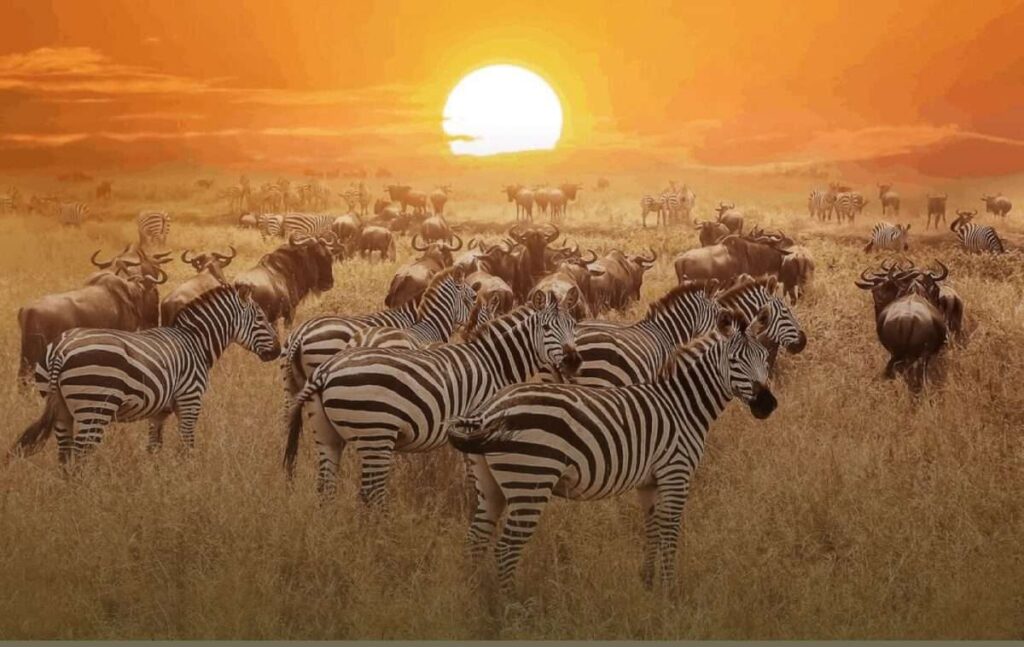
Where Can I See the Great Migration in Kenya?
Where can I see the Great Migration in Kenya? This is a question that excites travelers seeking one of the most extraordinary wildlife spectacles on the planet. The Great Migration is a natural marvel involving millions of wildebeest, zebras, and gazelles moving cyclically between Tanzania and Kenya in search of fresh grazing and water. For Kenya Safaris enthusiasts, the Maasai Mara National Reserve is the definitive destination to witness this unparalleled movement firsthand, while Tanzania Safari counterparts in the Serengeti provide complementary viewing experiences, forming a cross-border wildlife corridor that is essential for understanding the full scale of this phenomenon.
Timing and location are critical to experiencing the Great Migration in its peak form. Within Kenya, the Maasai Mara becomes the primary stage from July to October, when massive herds arrive from the Serengeti and undertake dramatic river crossings along the Mara River. Unlike conventional safari experiences, witnessing the migration involves observing dynamic predator-prey interactions, vast herds traversing plains, and the occasional perilous river crossing. Kenya Birding Safaris and Kenya Cultural Safaris complement the wildlife spectacle by providing insights into endemic avian species and Maasai heritage, enriching every aspect of the Kenya Best Safari experience.
Reaching these migration hotspots is facilitated through Nairobi’s Wilson Airport via scheduled domestic flights or a scenic road journey, allowing travelers to enter the Maasai Mara efficiently. Expectations during this Kenya Best Safari include guided game drives, expert naturalist commentary, and photographic opportunities capturing the raw drama of wildlife survival. Costs vary depending on lodge selection, seasonal rates, and safari duration, with all-inclusive packages often ranging from $400 to over $1,200 per person per night. Choosing African Fly-in Safaris guarantees a meticulously crafted journey that balances wildlife adventure, cultural interaction, and ecological awareness, ensuring every traveler experiences the Great Migration with authenticity, safety, and comfort.
Why Is Maasai Mara the Ultimate Destination to See the Great Migration?
Where can I see the Great Migration in Kenya within Maasai Mara National Reserve? As Kenya’s premier safari destination, the Maasai Mara offers unparalleled access to the largest concentrations of migrating wildebeest, zebras, and gazelles during peak months. Herds accumulate along the Mara River, creating awe-inspiring sights as they attempt perilous crossings under the watch of crocodiles and predators, offering moments of intense drama that define Kenya Best Safari experiences.
Game drives in the Maasai Mara are carefully timed to coincide with peak wildlife movement. Early morning and late afternoon excursions optimize sightings while providing ideal lighting for photography. Unlike static reserves, the dynamic nature of the Great Migration ensures every day offers a unique safari encounter. Kenya Birding Safaris are enhanced by the reserve’s diversity, as over 450 bird species, including lilac-breasted rollers and martial eagles, flourish alongside migrating herds. Cultural immersion is equally accessible; Kenya Cultural Safaris introduce travelers to Maasai traditions, pastoral practices, and artisanal crafts, bridging wildlife observation with human heritage.
Travelers can reach the Maasai Mara through scheduled domestic flights from Nairobi or by road via a five- to six-hour scenic drive, passing through rich agricultural landscapes. Accommodation ranges from luxury tented camps with river views to comfortable mid-range lodges. Costs are flexible, reflecting the level of comfort and duration of stay, while guided tours include park fees, meals, and expert ranger services. Peak migration months from July to October provide the most spectacular wildlife displays, though the reserve offers remarkable sightings year-round. By selecting the Maasai Mara, travelers witness the Great Migration in Kenya at its most iconic and unforgettable stage, supported by expert guidance from African Fly-in Safaris to ensure safety, authenticity, and luxury.
How Does Timing Influence Where to See the Great Migration in Kenya?
Where can I see the Great Migration in Kenya when planning for optimal wildlife encounters? Timing is a critical factor because the migration is driven by seasonal rainfall and the availability of fresh grazing. Herds begin entering the Maasai Mara from southern Serengeti in late June and July, moving through the reserve until October, with river crossings most frequently occurring in August and September. These months coincide with the dry season, offering clearer trails, reduced mosquito activity, and easier navigation of the plains for vehicles and walking safaris.
Observing the migration requires understanding both ecological patterns and herd behaviors. Predator-prey interactions are more visible along riverbanks, while open plains allow for panoramic photography and close-up wildlife observation. Kenya Birding Safaris benefit from these conditions, as migratory and resident birds become more concentrated near waterholes and grazing areas. Similarly, Kenya Cultural Safaris are more rewarding in dry months, allowing visits to Maasai homesteads with minimal disruption from seasonal rainfall.
Expect game drives lasting several hours each day, guided by rangers trained in migration tracking and wildlife interpretation. Costs reflect seasonal demand and accommodation standards, with luxury camps near river crossings commanding premium rates during peak migration. Dry season travel ensures the best possible experience for photographers, wildlife enthusiasts, and adventure travelers seeking a comprehensive Kenya Best Safari that captures both the grandeur of the Great Migration and the cultural richness of the Maasai people.
Can the Great Migration Be Experienced Beyond Maasai Mara?
Where can I see the Great Migration in Kenya besides the central Maasai Mara? While the Mara River and surrounding plains are the highlight, northern and western corridors of the reserve provide additional opportunities for intimate wildlife encounters. Extended Kenya Safaris often incorporate nearby conservancies such as Olare Motorogi and Naboisho, where lower visitor density allows for more private wildlife viewing and guided walking safaris.
Walking safaris within these conservancies complement traditional vehicle-based Kenya Best Safari experiences by providing ground-level insight into animal tracks, ecological relationships, and birdlife patterns. Kenya Birding Safaris are particularly rewarding in these less frequented zones, revealing secretive species and endemic flora that often escape attention during main game drives. Cultural immersion continues through Kenya Cultural Safaris as local Maasai communities participate in guided tours, demonstrating traditional knowledge and sustainable land practices that have coexisted with migratory wildlife for generations.
Reaching these conservancies typically involves short drives from central Maasai Mara lodges or scheduled transfers via local airstrips. Visitors can expect well-organized itineraries with expert guides, flexible travel schedules, and a blend of luxury and mid-range accommodation. Costs are adjusted according to travel style and duration but remain competitive within comprehensive Kenya Safaris packages. Dry season timing remains optimal for wildlife concentration and photographic clarity, while shoulder months may offer fewer crowds and a more intimate safari experience.
By including secondary conservancies, travelers answer the question of where to see the Great Migration in Kenya beyond traditional hotspots, ensuring a deeper, more diversified, and authentic Kenya Best Safari adventure.
Why Choose African Fly-in Safaris for Experiencing the Great Migration in Kenya?
Where can I see the Great Migration in Kenya with confidence and expert guidance? Choosing African Fly-in Safaris ensures that your Kenya Best Safari is planned with precision, safety, and an emphasis on authentic wildlife and cultural experiences. Our team leverages extensive field knowledge to track migration routes, recommend optimal timing, and select lodges strategically positioned for river crossings and high-density wildlife areas.
Commitment to sustainable tourism and ethical wildlife observation guarantees that all Kenya Safaris and Kenya Cultural Safaris under our guidance support local communities, conservation efforts, and habitat preservation. Transparent pricing structures clarify costs for accommodations, park fees, transfers, and optional experiences. Additionally, integrated Tanzania Safari options provide a holistic understanding of the Great Migration ecosystem, following herds seamlessly across international borders for unparalleled continuity of experience.
Expert guides ensure personalized safari encounters, while professional logistics manage transfers, internal flights, and accommodation seamlessly. Birding enthusiasts, photographers, and adventure travelers alike gain maximum value from Kenya Birding Safaris and culturally immersive experiences. Ultimately, where can I see the Great Migration in Kenya? By partnering with African Fly-in Safaris, travelers witness the breathtaking spectacle in its prime, with safety, comfort, and insight, creating memories that endure far beyond the safari journey.