What is the Mara River?
March 4, 2026
What Vehicles Are Used on a Great Migration Safari?
March 4, 2026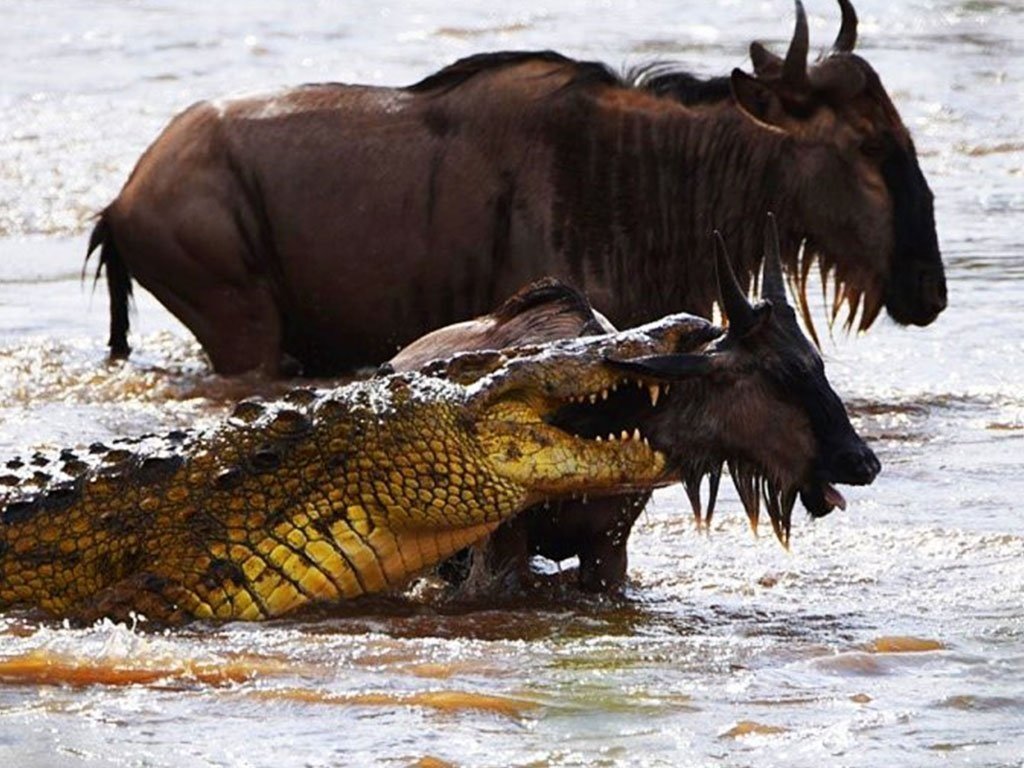
Are River Crossings Dangerous for Animals in the Migration Process?
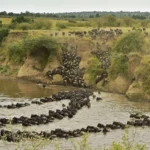
One of the most compelling questions for travelers planning Kenya Safaris or Tanzania Safari adventures is: Are river crossings dangerous for animals in the migration process? The Great Migrations represent one of the most extraordinary wildlife phenomena on the planet, with over a million wildebeest, hundreds of thousands of zebras, and accompanying gazelles traversing the plains of Serengeti National Park and Maasai Mara National Reserve each year. River crossings, particularly at the Mara and Grumeti rivers, are some of the most dramatic moments in this migratory journey. These crossings expose the animals to natural hazards, including swift currents, crocodiles, and steep riverbanks, making them both a breathtaking spectacle for Kenya Best Safari visitors and a critical survival challenge for the herds.
Observing Are river crossings dangerous for animals in the migration process? provides insight into the resilience and instincts of wildlife. Wildebeest and zebras navigate rivers in large, coordinated groups to reduce predation risk and increase survival odds. Predators such as crocodiles, lions, and hyenas often take advantage of these moments, highlighting the delicate balance between life and death that defines the Great Migration. Visitors can expect to witness extraordinary predator-prey interactions, with dramatic crossings providing photographic opportunities, wildlife education, and an unforgettable safari experience. Integrating these encounters with Kenya Birding Safaris and Kenya Cultural Safaris enriches the itinerary, offering broader ecological and cultural perspectives.
African Fly-in Safaris ensures your experience of Are river crossings dangerous for animals in the migration process? is both safe and immersive. Expert guides monitor river conditions, herd behavior, and predator movements in real-time, strategically positioning safari vehicles for optimal viewing while maintaining safe distances. By combining Tanzania Safari and Kenya Safaris insights, our itineraries provide a comprehensive understanding of ecological processes, conservation efforts, and seasonal migration patterns. Choosing African Fly-in Safaris guarantees travelers an authoritative, trust-based, and professionally managed safari experience.
Serengeti National Park – Tanzania: How Do River Crossings Affect Migratory Animals?
Exploring Are river crossings dangerous for animals in the migration process? naturally begins with Serengeti National Park, where the Grumeti and other western rivers pose formidable challenges during early herd movements. Wildebeest and zebras rely on instinct and group cohesion to navigate treacherous currents, steep riverbanks, and lurking crocodiles. While these crossings are perilous, they are essential for accessing nutrient-rich grazing grounds that sustain the herds through the dry season. For visitors on Tanzania Safari, witnessing these crossings offers insight into the natural checks and balances within the ecosystem and emphasizes the survival strategies of migratory species.
Access to Serengeti National Park involves international flights into Kilimanjaro International Airport or Julius Nyerere International Airport, followed by domestic flights to park airstrips or scenic drives from Arusha. Safari expectations include guided game drives, optional walking safaris, and immersive wildlife interpretation. Costs range from USD 350–600 per person per day for mid-range safaris, with luxury accommodations exceeding USD 900 per person per day. Understanding Are river crossings dangerous for animals in the migration process? helps travelers anticipate high-energy crossings, predator activity, and unique wildlife behavior, enhancing Tanzania Best Safari experiences.
Extended stays in Serengeti allow safari-goers to observe multiple crossings and predator-prey interactions while also participating in Tanzania Cultural Safari excursions to nearby communities. This combination offers context on how local populations coexist with migratory wildlife, adding educational and cultural value to your safari. African Fly-in Safaris ensures visitors witness these events safely, with guides providing interpretation on herd movement, river challenges, and ecological significance, making each encounter meaningful and memorable.
Maasai Mara National Reserve – Kenya: Understanding Risks and Observations
Addressing Are river crossings dangerous for animals in the migration process? requires visiting Maasai Mara National Reserve, where the Mara River crossings are among the most perilous in the migration. Wildebeest, zebras, and gazelles face strong currents, slippery riverbanks, and crocodile attacks. Predators such as lions and hyenas often capitalize on these moments of vulnerability, creating some of the most dramatic and photogenic scenes in Kenya Best Safari itineraries. Despite the risks, these crossings are critical for herd survival, ensuring access to greener pastures in the northern plains of Kenya.
Reaching Maasai Mara is straightforward via a five-to-six-hour road transfer from Nairobi or through domestic flights to Mara airstrips. Visitors can expect daily game drives, optional hot air balloon safaris, and interactions with Maasai communities through Kenya Cultural Safaris. Mid-range accommodations cost between USD 400–700 per person per day, while luxury lodges exceed USD 1,000. Observing Are river crossings dangerous for animals in the migration process? provides an understanding of natural survival mechanisms, predator-prey dynamics, and the ecological importance of the Great Migration, enriching both Kenya Birding Safaris and wildlife photography experiences.
The Maasai Mara also highlights the role of community-based conservation in protecting migratory corridors. Incorporating cultural insights into Kenya Cultural Safaris allows travelers to appreciate how local populations coexist with wildlife, adding ethical and educational value to the adventure. African Fly-in Safaris ensures that each safari day prioritizes safety, expert guidance, and immersive wildlife observation, helping visitors understand the balance of danger and resilience that defines river crossings.
How Can Visitors Safely Observe River Crossings?
Answering Are river crossings dangerous for animals in the migration process? emphasizes that while the crossings are perilous for animals, they can be safely observed by humans through strategic planning. Guides monitor herd movements, water levels, and predator activity to position vehicles at optimal distances, ensuring both safety and immersive viewing. Expert-led game drives, photography guidance, and wildlife interpretation enhance the experience while maintaining ethical boundaries.
Planning your safari around peak river crossing months, typically July to October in Maasai Mara and late May to June in western Serengeti rivers, maximizes the likelihood of observing these dramatic events. Extended itineraries of 7–10 days allow travelers to follow herds across both Kenya Safaris and Tanzania Safari landscapes, integrating Kenya Birding Safaris, Kenya Cultural Safaris, and Tanzania Cultural Safari experiences for a comprehensive adventure. Costs scale with duration and lodge choice, but the payoff is unparalleled access to one of nature’s most intense survival spectacles.
Understanding Are river crossings dangerous for animals in the migration process? also contributes to conservation awareness. Observing these events with expert guides teaches travelers about ecological balance, predator-prey dynamics, and the challenges migratory species face. African Fly-in Safaris combines adventure, education, and safety, creating memorable and informative safari experiences that highlight both the beauty and danger inherent in the Great Migration.
Why Choose African Fly-in Safaris for Observing River Crossings?
Selecting African Fly-in Safaris ensures that your exploration of Are river crossings dangerous for animals in the migration process? is professionally guided, safe, and informative. Our expert guides possess decades of experience tracking herd movements, monitoring predator behavior, and interpreting ecological dynamics. Visitors gain insights into the complex interplay between rivers, predators, and migratory animals, creating a meaningful and educational Kenya Best Safari or Tanzania Best Safari experience.
Partnering with African Fly-in Safaris provides seamless logistics between Serengeti and Maasai Mara, access to prime viewing locations, and integration of Kenya Birding Safaris, Kenya Cultural Safaris, and Tanzania Cultural Safari experiences. Our commitment to conservation, cultural education, and responsible tourism ensures that your journey is not only thrilling but also trustworthy and authoritative. Observing Are river crossings dangerous for animals in the migration process? becomes more than a safari—it becomes a deeply immersive lesson in nature’s resilience, predator strategies, and the courage of migratory species.
Ultimately, river crossings are perilous for animals but awe-inspiring for humans. African Fly-in Safaris ensures travelers witness this natural drama with safety, professionalism, and cultural context, blending wildlife spectacle with ecological and ethical education to deliver an unforgettable East African safari experience.