Are Kenya and Tanzania Safaris Safe?
March 4, 2026
How Much Does a Great Migration Safari Cost?
March 4, 2026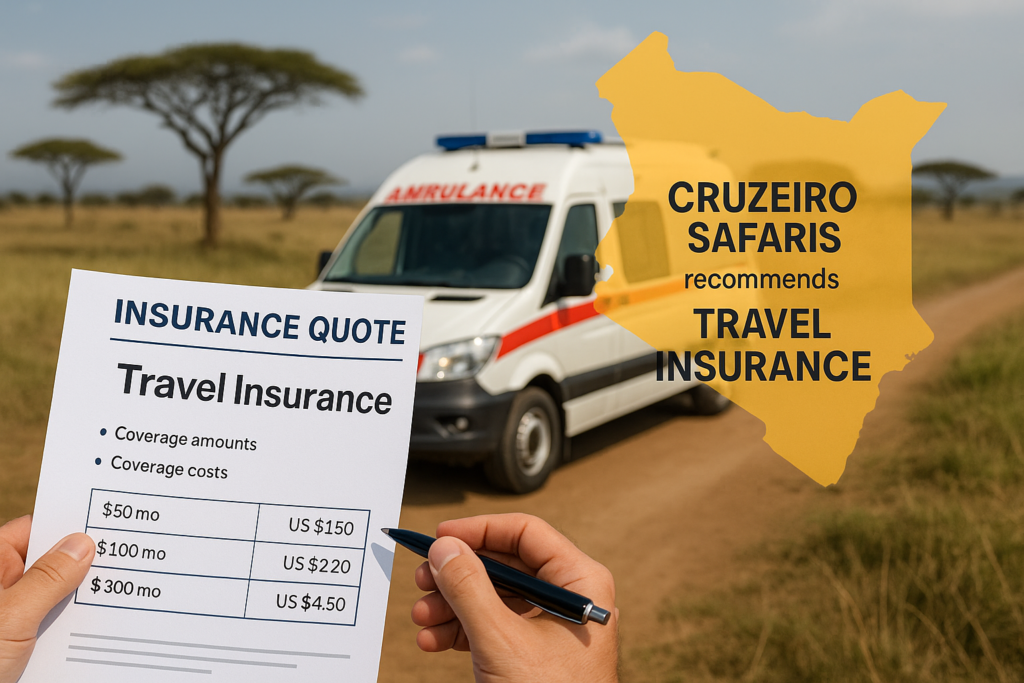
Is Travel Insurance Recommended for a Kenya Best Safari and Tanzania Best Safari?
Is travel insurance recommended when planning a Kenya Best Safari or Tanzania Best Safari? Absolutely, and for very important reasons. A safari in East Africa is a remarkable investment that combines international flights, domestic transfers, park fees, professional guides, and carefully selected lodges. Protecting that investment ensures peace of mind while exploring iconic landscapes such as the Maasai Mara in Kenya and the Serengeti in Tanzania, especially during the spectacular Great Migrations.
Travel insurance provides financial protection against unexpected disruptions such as flight delays, medical emergencies, trip cancellations, lost luggage, or unforeseen itinerary changes. Because Kenya Safaris and Tanzania Safaris often involve light aircraft transfers to remote airstrips, flexible scheduling around wildlife movement, and travel across vast conservation areas, comprehensive coverage becomes not only advisable but essential. Reliable insurance allows travelers to focus fully on wildlife encounters, Kenya Birding Safaris, and immersive Tanzania Cultural Safari experiences without worrying about logistical risks.
Expect insurance plans to cover medical evacuation, hospital treatment, trip interruption, and baggage protection. Costs typically range from 4% to 10% of the total safari package price, depending on age, coverage limits, and travel duration. The best time to purchase insurance is immediately after confirming your safari booking to ensure maximum protection. Choosing African Fly-in Safaris means receiving expert guidance on suitable coverage options, ensuring that your Kenya Best Safari or Tanzania Best Safari is protected from departure to return.
Kenya Safaris: Is Travel Insurance Recommended for Maasai Mara Adventures?
Is travel insurance recommended for a Kenya Best Safari in the Maasai Mara? Without question, yes. The Maasai Mara remains Kenya’s most celebrated safari destination, renowned for hosting the dramatic river crossings of the Great Migrations. Although the region maintains excellent tourism infrastructure and professional guiding standards, it is still a remote wilderness environment where medical facilities are not immediately accessible without evacuation services.
Travelers reach the Maasai Mara by flying into Nairobi’s international airport and connecting via domestic flights to bush airstrips, or by road transfer across the Great Rift Valley. Expectations during Kenya Safaris include daily game drives, early morning departures, optional hot air balloon safaris, and Kenya Cultural Safaris with Maasai communities. While these experiences are carefully managed, travel insurance ensures coverage for potential flight cancellations, medical needs, or unexpected itinerary adjustments caused by weather or operational factors.
Safari packages in Maasai Mara range from approximately $400 per night for mid-range lodges to over $1,200 per night for luxury camps. Given this investment, insurance protects prepaid accommodations, park entry fees, and scheduled activities. July to October offers prime migration viewing under dry weather conditions, yet even during peak seasons, unforeseen travel interruptions can occur. Booking with African Fly-in Safaris ensures professional coordination, transparent planning, and advice on selecting insurance policies that include emergency evacuation coverage tailored specifically for Kenya Best Safari adventures.
Tanzania Safari: Is Travel Insurance Recommended for Serengeti Exploration?
Is travel insurance recommended for a Tanzania Best Safari in the Serengeti? Certainly, because Serengeti National Park covers vast terrain where wildlife viewing occurs far from urban centers. This world-famous ecosystem attracts visitors eager to witness predator-prey interactions, calving season spectacles, and extensive plains filled with migrating herds. Despite strong safety standards, remote safari environments require precautionary measures.
Access to Serengeti typically involves flying into Kilimanjaro International Airport or Arusha Airport before boarding a domestic bush flight. Expectations during a Tanzania Safari include extended game drives, guided photography excursions, and optional Tanzania Cultural Safari visits to Maasai villages near conservation areas. While operations are professionally managed, comprehensive travel insurance ensures coverage for medical emergencies, trip interruptions, and luggage delays.
Costs for Tanzania Best Safari experiences range from $350 per night for mid-range camps to over $1,300 per night for luxury lodges. Considering these expenses, travel insurance safeguards your financial commitment and provides emergency evacuation services if necessary. June to October delivers optimal dry conditions for migration viewing, while January to March highlights calving season in southern Serengeti. Partnering with African Fly-in Safaris guarantees expert itinerary coordination and clear recommendations for insurance plans designed specifically for Tanzania Safari travelers seeking both adventure and security.
What Should Travel Insurance Cover for Kenya Safaris and Tanzania Safaris?
Is travel insurance recommended with specific coverage features for East African safaris? Indeed, selecting the right policy matters as much as purchasing one. Comprehensive plans should include emergency medical coverage, evacuation services to major hospitals, trip cancellation protection, baggage insurance, and coverage for safari-related activities such as bush flights and guided excursions.
Medical evacuation remains particularly important in remote wildlife reserves where air evacuation may be required to reach advanced medical facilities. Trip interruption coverage protects travelers against unexpected weather changes or airline disruptions that could affect connections between Nairobi, Maasai Mara, Arusha, or Serengeti. Baggage protection ensures replacement of essential gear such as cameras and binoculars used during Kenya Birding Safaris and Great Migrations photography tours.
Costs depend on traveler age, trip duration, and coverage limits, typically averaging 4% to 10% of total safari expenses. Purchasing insurance immediately after booking your Kenya Best Safari or Tanzania Best Safari ensures cancellation protection from the earliest possible date. African Fly-in Safaris provides detailed pre-travel guidance, helping clients understand recommended coverage levels tailored to safari environments and international travel standards.
Why Choose African Fly-in Safaris for Professionally Planned and Protected Safaris?
Is travel insurance recommended when booking with African Fly-in Safaris? Absolutely, and our team ensures you understand why. Experience within Kenya Safaris and Tanzania Safaris allows us to anticipate logistical variables, from seasonal migration timing to bush flight coordination. Expertise in regional travel planning ensures your itinerary aligns with weather patterns, wildlife movements, and secure accommodation partners.
Professional coordination means transparent pricing, reliable domestic transfers, and trusted lodge partnerships across Maasai Mara and Serengeti ecosystems. Personalized consultation ensures your insurance policy matches the structure of your safari itinerary. Reliable communication supports clients before departure, during travel, and after completion of their journey.
Peak migration seasons demand advanced reservations and careful planning, making insurance coverage even more important to protect your investment. Confidence in your travel arrangements allows full enjoyment of wildlife encounters, Kenya Cultural Safaris, and Tanzania Cultural Safari experiences.
Choosing African Fly-in Safaris means entrusting your Kenya Best Safari or Tanzania Best Safari to a company committed to excellence, responsibility, and traveler security. Protecting your journey with comprehensive travel insurance ensures peace of mind, allowing you to experience the breathtaking Great Migrations and East Africa’s extraordinary wilderness with confidence and comfort.