What Airport Serves Serengeti?
March 4, 2026
Are Kenya and Tanzania Safaris Safe?
March 4, 2026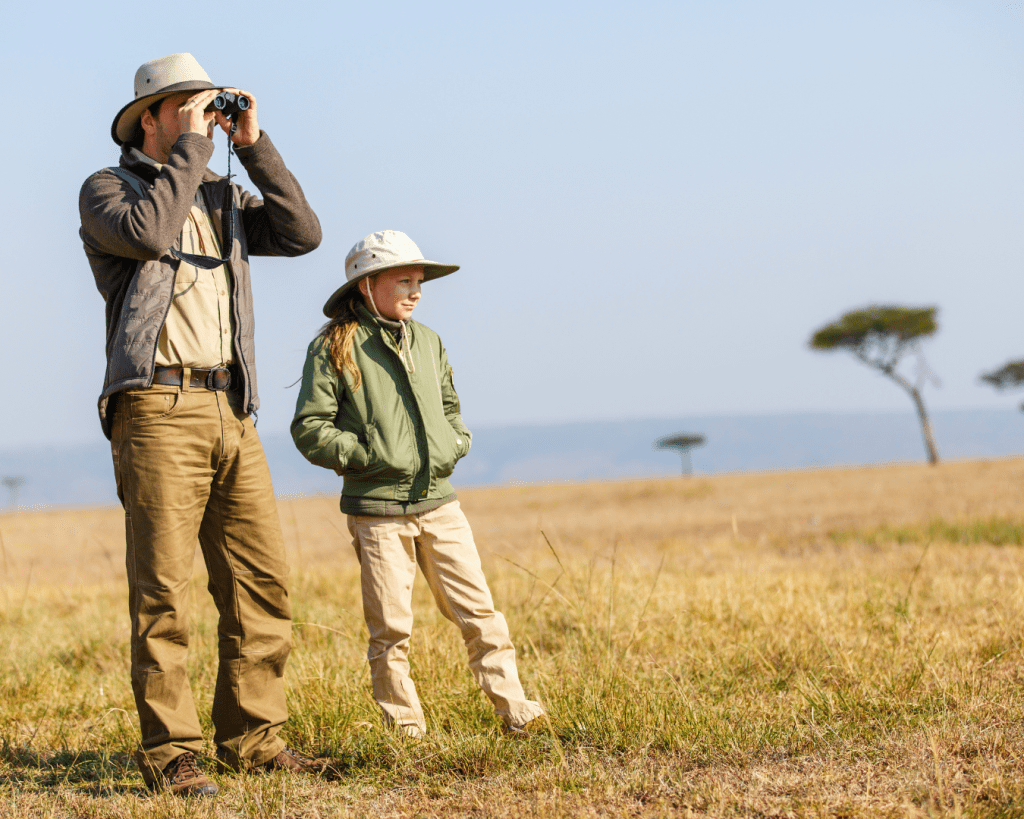
What Should I Pack for a Kenya Tanzania Safari?
Preparing for East Africa’s most iconic wildlife adventure naturally begins with one essential question: What should I pack for a Kenya Tanzania safari? Planning Kenya Safaris in the legendary Maasai Mara National Reserve and embarking on a Tanzania Safari across the vast plains of Serengeti National Park requires thoughtful packing tailored to climate, terrain, and wildlife activities. Experiencing the Great Migrations demands practical preparation that balances comfort, safety, and convenience while ensuring travelers remain focused on extraordinary wildlife encounters rather than overlooked essentials.
Understanding What should I pack for a Kenya Tanzania safari? involves recognizing the diversity of experiences included in a Kenya Best Safari or Tanzania Best Safari itinerary. Game drives begin early in the morning when temperatures can be cool, yet afternoons may become warm under the African sun. River crossings, predator sightings, and extended wildlife photography sessions require appropriate clothing, durable footwear, and reliable gear. Integrating Kenya Birding Safaris, Kenya Cultural Safaris, or Tanzania Cultural Safari experiences further expands packing considerations to include respectful attire for community visits and specialized optics for birdwatching.
Organizing your safari luggage carefully ensures seamless travel between Serengeti and Maasai Mara, especially when domestic bush flights enforce strict baggage limits, typically 15 kilograms in soft-sided bags. Selecting lightweight, neutral-colored clothing, compact equipment, and essential health supplies enhances both mobility and comfort. African Fly-in Safaris provides professional guidance before departure to ensure every guest is fully prepared, reinforcing our authority and expertise within the Africa Tourism Industry.
Serengeti National Park – What Clothing Is Ideal for a Tanzania Safari?
Exploring What should I pack for a Kenya Tanzania safari? begins with appropriate clothing for Serengeti National Park, where vast open savannahs and changing temperatures require versatility. Lightweight, breathable fabrics in neutral shades such as khaki, olive, and beige are recommended to blend naturally with the environment while avoiding bright colors that may disturb wildlife. Long-sleeved shirts and trousers protect against sun exposure and insects, while layered clothing accommodates temperature fluctuations between dawn and dusk.
Packing a wide-brimmed hat, polarized sunglasses, and high-SPF sunscreen is essential for daytime game drives across the Serengeti plains. Including a light fleece jacket or insulated layer ensures comfort during cool morning departures. Carrying sturdy walking shoes or comfortable closed footwear supports optional guided walks and Tanzania Cultural Safari excursions to nearby communities. Bringing moisture-wicking socks enhances long hours spent in safari vehicles tracking the Great Migrations.
Reaching Serengeti typically involves international arrival at Kilimanjaro International Airport followed by domestic bush flights to regional airstrips. Because baggage allowances are limited, soft duffel bags are strongly recommended over hard-shell suitcases. Costs for Tanzania Safari experiences range from approximately USD 350–600 per person per day for mid-range accommodations and can exceed USD 900 per person per day for luxury camps. Packing wisely ensures maximum enjoyment of wildlife activities without unnecessary bulk.
Choosing African Fly-in Safaris guarantees expert advice tailored to seasonal travel, ensuring you arrive fully prepared for Tanzania Best Safari adventures while maintaining comfort and practicality.
Maasai Mara National Reserve – What Gear Enhances Kenya Safaris?
Addressing What should I pack for a Kenya Tanzania safari? also requires preparation for Kenya Safaris in Maasai Mara National Reserve, particularly during peak Great Migrations season between July and October. Packing high-quality binoculars enhances wildlife observation, especially during river crossings when herds gather along distant banks. Carrying a DSLR or mirrorless camera with telephoto lens supports capturing dramatic predator-prey interactions and expansive savannah landscapes.
Including extra memory cards, spare batteries, and a compact power bank ensures uninterrupted photography during full-day game drives. Bringing a reusable water bottle contributes to sustainable tourism while keeping you hydrated under the African sun. Packing insect repellent containing DEET or natural alternatives reduces mosquito exposure, particularly during evening hours in camp.
Accessing Maasai Mara involves either a scenic drive from Nairobi or a short domestic flight to regional airstrips. Expect early morning departures, late afternoon game drives, and optional hot air balloon experiences offering panoramic aerial views. Kenya Best Safari packages typically range from USD 400–700 per person per day for mid-range camps, with luxury lodges exceeding USD 1,000 during migration peak months.
Selecting appropriate attire for Kenya Cultural Safaris is equally important. Packing modest clothing for village visits demonstrates cultural respect while allowing meaningful engagement with Maasai communities. Understanding What should I pack for a Kenya Tanzania safari? ensures a smooth and immersive experience across Kenya’s most iconic wildlife destination.
What Health and Travel Essentials Should Be Included?
Considering What should I pack for a Kenya Tanzania safari? extends beyond clothing and equipment to include personal health essentials. Packing prescription medications, copies of travel insurance, and vaccination certificates is crucial for cross-border itineraries. Carrying a small first-aid kit with pain relievers, motion sickness tablets, antiseptic wipes, and blister treatment adds practical security during remote travel.
Including travel adapters compatible with East African sockets ensures your devices remain charged throughout your Kenya Safaris and Tanzania Safari journey. Bringing lightweight rain protection such as a compact poncho is advisable during transitional seasons. Packing hand sanitizer and disinfectant wipes promotes hygiene during extended travel days.
Understanding seasonal variations supports informed preparation. Dry seasons between June and October offer optimal Great Migrations viewing conditions, while green seasons from November to May showcase lush landscapes and excellent Kenya Birding Safaris opportunities. Consulting African Fly-in Safaris prior to departure ensures your packing list aligns with your itinerary timing and chosen safari style.
Why Choose African Fly-in Safaris for Your Kenya Tanzania Safari Preparation?
Selecting African Fly-in Safaris transforms the question What should I pack for a Kenya Tanzania safari? into a guided and stress-free process. Our experienced safari specialists provide detailed pre-departure briefings covering clothing recommendations, baggage limits, health documentation, and photography advice tailored to your chosen destinations.
Partnering with African Fly-in Safaris ensures seamless coordination between Serengeti and Maasai Mara itineraries, integrating Kenya Birding Safaris, Kenya Cultural Safaris, Tanzania Cultural Safari experiences, and Tanzania Best Safari highlights into a cohesive journey. Our commitment to excellence, safety, and professional planning reflects our deep Experience and Authoritativeness within the Africa Tourism Industry.
Trusting African Fly-in Safaris guarantees not only unforgettable wildlife encounters but also confidence in every stage of your preparation. Understanding What should I pack for a Kenya Tanzania safari? allows you to travel smartly, comfortably, and responsibly while focusing on the extraordinary spectacle of the Great Migrations.