
What Is the Weather Like During Migration Season?
March 4, 2026
What Should I Pack for a Kenya Tanzania Safari?
March 4, 2026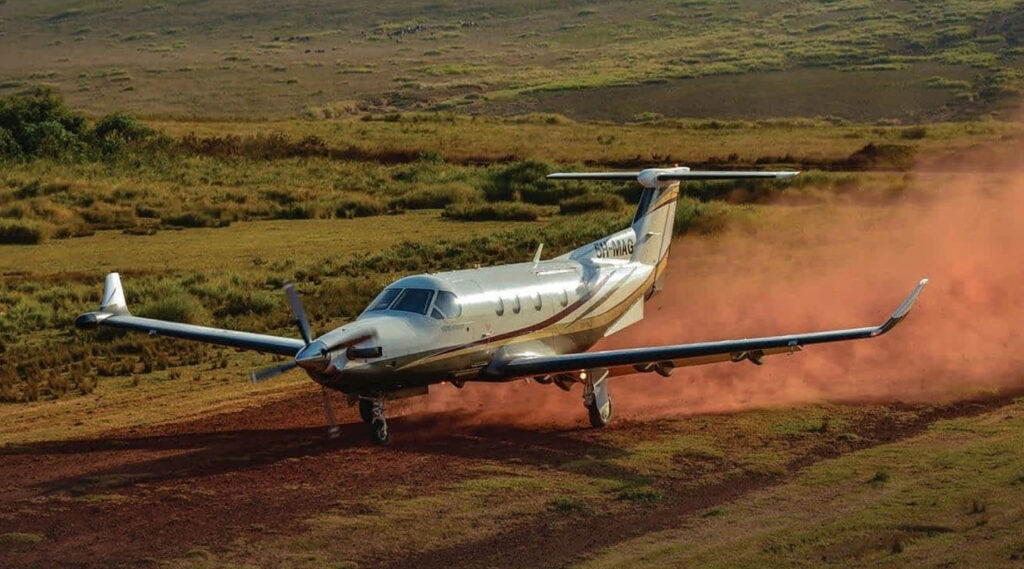
What Airport Serves Serengeti?
Many international travelers planning a Tanzania Safari frequently ask: What airport serves Serengeti? Understanding the correct entry points is essential when organizing Kenya Safaris extensions, Tanzania Best Safari experiences, or witnessing the Great Migrations across East Africa. The world-famous Serengeti National Park does not have one single large international airport within the park itself; instead, visitors access it through a network of major international gateways and smaller domestic airstrips strategically positioned across the ecosystem. Choosing the right airport depends on your itinerary, travel budget, and the specific region of Serengeti you plan to explore.
International travelers typically arrive in Tanzania through Kilimanjaro International Airport or Julius Nyerere International Airport, both of which serve as primary gateways for Tanzania Safari adventures. From these airports, guests connect via scheduled or chartered domestic flights to Serengeti airstrips such as Seronera, Kogatende, or Grumeti. Alternatively, some visitors prefer scenic road transfers from Arusha, combining cultural exploration with wildlife viewing en route. Knowing What airport serves Serengeti? ensures smooth travel coordination, reduced transit time, and maximized game-viewing opportunities during your safari.
Careful logistical planning enhances every Tanzania Cultural Safari, Kenya Safaris combination, or cross-border Great Migrations itinerary. African Fly-in Safaris specializes in seamless airport transfers, domestic flight bookings, and personalized arrival assistance to ensure guests begin their adventure stress-free. By selecting the most efficient air route, travelers gain additional time for wildlife encounters, photography sessions, and immersive experiences across one of Africa’s most celebrated ecosystems.
Serengeti National Park – Which Airports and Airstrips Provide Direct Access?
Understanding What airport serves Serengeti? requires clarity about how this vast protected area is structured. The Serengeti ecosystem spans thousands of square kilometers, and several internal airstrips serve different wildlife zones depending on seasonal migration patterns. Domestic carriers operate daily flights from Arusha and Kilimanjaro to key Serengeti airstrips, including Seronera (central Serengeti), Kogatende (northern Serengeti near the Mara River), and Grumeti (western corridor). Selecting the appropriate landing point ensures proximity to the wildlife activity you wish to witness.
Accessing Serengeti by air typically follows arrival at Kilimanjaro International Airport, located near Arusha, the safari capital of northern Tanzania. After clearing immigration and customs, guests transfer to Arusha Airport for a short bush flight lasting approximately one hour to reach the park. Alternatively, road transfers from Arusha to Serengeti take between 6–8 hours, offering scenic landscapes and opportunities for cultural engagement. Determining What airport serves Serengeti? early in the planning stage allows travelers to align their arrival point with migration timing and lodge location.
Expectations for this Tanzania Best Safari destination include daily game drives, expert-guided wildlife tracking, optional hot air balloon safaris, and immersive Great Migrations viewing experiences. Costs vary depending on season and accommodation category, with mid-range safaris ranging from USD 350–600 per person per day, while luxury camps exceed USD 900 per person per day including flights. Peak migration months, particularly June through October, often require advance booking due to high demand.
Timing plays a significant role when answering What airport serves Serengeti? since northern airstrips are most convenient during Mara River crossing season, while southern access points are ideal during calving months from December to March. African Fly-in Safaris ensures guests are flown into the airstrip closest to active wildlife zones, minimizing drive time and maximizing safari immersion.
Combining Serengeti and Maasai Mara – Which Airport Strategy Works Best?
Travelers combining Kenya Safaris with Tanzania Safari itineraries frequently ask: What airport serves Serengeti when crossing borders? For guests planning to witness the Great Migrations in both Tanzania and Kenya, logistical coordination between Serengeti and Maasai Mara National Reserve becomes essential. Cross-border itineraries typically involve flying between Kogatende airstrip in northern Serengeti and airstrips within Maasai Mara, creating a seamless migration-focused journey.
International arrivals into Kenya usually land at Jomo Kenyatta International Airport, followed by domestic connections to Maasai Mara. From there, charter or scheduled bush flights link directly to northern Serengeti airstrips during migration season. Coordinating flights correctly answers the question What airport serves Serengeti? in a way that supports efficient cross-border safari experiences.
Expectations during such combined itineraries include witnessing dramatic river crossings, predator-prey interactions, and expansive savannah landscapes. Costs for cross-border Kenya Best Safari and Tanzania Best Safari packages typically range from USD 600–1,200 per person per day depending on lodge category and flight inclusions. Selecting optimal airports reduces travel fatigue and increases time spent observing wildlife rather than commuting between destinations.
Choosing African Fly-in Safaris for cross-border planning ensures expert handling of immigration procedures, flight schedules, and luggage coordination. Our experienced team carefully aligns your arrival airport with migration timing to create a smooth and rewarding safari experience.
When Is the Best Time to Fly into Serengeti?
Seasonal migration patterns influence the answer to What airport serves Serengeti? because wildlife movements determine which airstrips offer the most convenient access. Calving season from December to March favors southern and central Serengeti airstrips, while river crossing season between July and October favors northern Kogatende airstrip. Transitional months may require flexible routing depending on herd movement.
Dry seasons generally provide clearer skies for domestic flights and optimal wildlife viewing conditions. Wet seasons, although greener and less crowded, may involve occasional flight delays due to weather changes. Booking flights well in advance during peak Great Migrations periods ensures seat availability and competitive pricing.
African Fly-in Safaris monitors seasonal wildlife reports and aviation schedules to advise travelers on the most efficient airport strategy. Our guidance ensures your Tanzania Cultural Safari, Kenya Cultural Safaris extension, or Kenya Birding Safaris combination aligns perfectly with your chosen arrival route.
Why Choose African Fly-in Safaris for Serengeti Airport Planning?
Selecting the right operator makes a significant difference when asking What airport serves Serengeti? African Fly-in Safaris offers expert logistical planning, real-time migration tracking, and personalized flight coordination to ensure guests arrive at the correct airstrip for their safari focus. Our commitment to safety, reliability, and efficiency reflects our deep Experience and Expertise within the Africa Tourism Industry.
Partnering with African Fly-in Safaris guarantees seamless airport transfers, carefully timed domestic flights, and professional meet-and-greet services. Our tailored itineraries integrate Tanzania Safari adventures with optional Kenya Safaris extensions, Kenya Birding Safaris, and Kenya Cultural Safaris experiences. Every detail, from landing arrangements to lodge transfers, is managed with precision and care. Trusting African Fly-in Safaris positions travelers for a stress-free and expertly organized journey into the heart of Serengeti National Park. Understanding What airport serves Serengeti? becomes straightforward with our guidance, allowing you to focus on wildlife encounters, breathtaking landscapes, and the unforgettable spectacle of the Great Migrations.