How Many Days Are Ideal for a Great Migration Safari?
March 4, 2026
Can I Combine Maasai Mara and Serengeti in One Trip?
March 4, 2026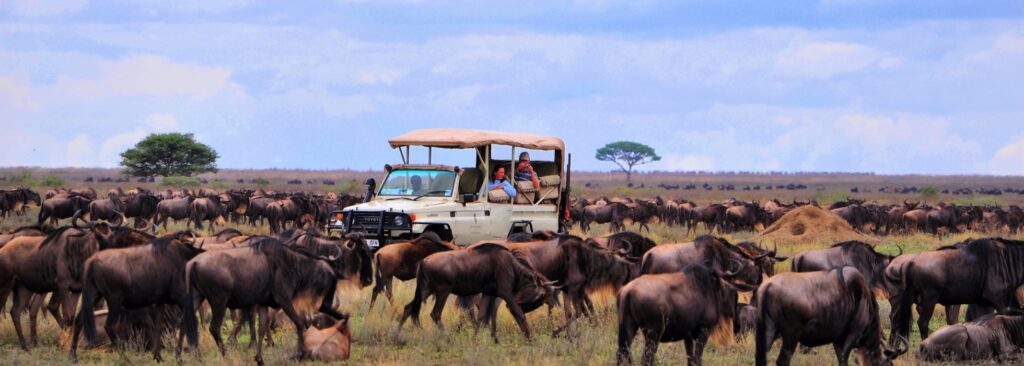
Kenya Vs Tanzania Great Migration Safaris
Should I choose Kenya or Tanzania for migration? This is a common question among travelers planning to witness the Great Migrations, one of the world’s most spectacular wildlife events. Both Kenya and Tanzania offer unique experiences for Kenya Best Safari and Tanzania Safari travelers, but the choice depends on timing, wildlife interactions, and preferred landscapes. Tanzania’s Serengeti National Park hosts the migration throughout much of the year, particularly during calving season in the southern plains, while Kenya’s Maasai Mara National Reserve showcases the dramatic river crossings and open plains between July and October. Understanding the differences between these destinations helps travelers plan itineraries that maximize wildlife encounters, cultural experiences, and Kenya Birding Safaris opportunities.
In Tanzania, the Serengeti is ideal for witnessing the birthing season from January to March, when thousands of wildebeest calves are born, attracting predators such as lions, hyenas, and cheetahs. Tanzania Safari visitors can combine wildlife tracking with Tanzania Cultural Safari experiences, engaging with Maasai communities and observing traditional pastoralist lifestyles. Access to the southern Serengeti is facilitated via Kilimanjaro International Airport or Arusha, with short domestic flights or scenic overland transfers to lodges positioned near calving zones. Travelers can expect guided game drives, photography sessions, and in-depth wildlife interpretation, with costs ranging from $350–$600 per day for mid-range accommodations to over $1,000 for luxury safari lodges.
Kenya offers a different but equally impressive Great Migration experience. The Maasai Mara provides dramatic river crossings between July and October, creating intense predator-prey interactions as crocodiles, lions, and hyenas track the herds. Kenya Safaris and Kenya Birding Safaris are particularly rewarding during this period, as migratory birds follow the movement of the wildebeest and zebras. Access to Maasai Mara is via Nairobi’s Wilson Airport for scheduled domestic flights or road transfers through scenic savannah landscapes. Expectations include early morning and late afternoon game drives, photography of river crossings, and Kenya Cultural Safaris in nearby Maasai villages. Mid-range safari costs average $400–$600 per person per day, while luxury camps and lodges can exceed $1,200 daily. Choosing African Fly-in Safaris ensures strategic positioning for both Tanzanian and Kenyan migration highlights, combining wildlife, birding, and cultural experiences seamlessly.
When Should I Visit Tanzania for the Great Migration?
Should I choose Kenya or Tanzania for migration if I am targeting Tanzania Safari highlights? The southern Serengeti becomes the epicenter of wildlife activity from January through March, coinciding with calving season. During this time, thousands of wildebeest calves are born in densely packed herds, offering an unparalleled spectacle for Kenya Best Safari travelers. Predator activity peaks, but the herd’s size ensures many calves survive, creating dramatic natural interactions that are both thrilling and safe to observe from guided safari vehicles.
Reaching the southern Serengeti is easiest through Kilimanjaro International Airport or Arusha, followed by domestic flights to airstrips within the park or scenic overland drives. Tanzania Cultural Safari experiences can be included during the same trip, providing insight into Maasai and other indigenous communities who have coexisted with these migratory animals for generations. Travelers should expect full-day guided game drives, opportunities for wildlife photography, and interpretive sessions explaining herd behavior, predator-prey dynamics, and ecological significance. Costs for a Tanzania Safari during calving season typically range from $350–$600 per day for mid-range packages, with luxury accommodations exceeding $1,000 per day. The best months for observing calving in southern Serengeti are January, February, and March, offering concentrated wildlife sightings for an unforgettable Kenya Best Safari experience.
When Should I Visit Kenya for the Great Migration?
Should I choose Kenya or Tanzania for migration if I want to experience dramatic river crossings and open savannah plains? The Maasai Mara National Reserve provides an ideal destination between July and October when herds move from Tanzania’s northern Serengeti into Kenya in search of greener pastures. This period marks the height of the Great Migration in Kenya, with intense wildlife encounters as wildebeest and zebras navigate crocodile-infested rivers, while lions, cheetahs, and hyenas hunt along the banks. Kenya Birding Safaris are enhanced during this time, as migratory and endemic birds often follow the herds, creating multi-layered wildlife observation opportunities for travelers.
Travelers can access Maasai Mara via domestic flights from Nairobi’s Wilson Airport or by scenic road transfers that showcase the expansive savannah landscape. Expectations include early morning and late afternoon game drives to witness river crossings and predator-prey interactions, photography opportunities, and immersive Kenya Cultural Safaris with Maasai communities. Mid-range Kenya Safaris range from $400–$600 per day, while luxury tented camps and lodges can exceed $1,200 daily. Selecting African Fly-in Safaris guarantees expert guides, tailored itineraries, and prime locations to view the migration safely and comfortably, ensuring a world-class Kenya Best Safari experience during this peak wildlife season.
How Do Tanzania and Kenya Offer Different Migration Experiences?
Should I choose Kenya or Tanzania for migration based on wildlife behaviors and landscapes? Tanzania and Kenya each offer distinct experiences. Southern Serengeti in Tanzania provides a concentrated calving experience from January to March, ideal for observing newborn wildebeest, predator interactions, and lush grasslands. In contrast, Kenya’s Maasai Mara between July and October showcases dramatic river crossings, wide-open plains, and intense predator-prey encounters. Both destinations support Kenya Birding Safaris and Kenya Cultural Safaris, offering layered wildlife and cultural experiences, but the timing, terrain, and wildlife density differ significantly, influencing the ideal itinerary for your Kenya Best Safari or Tanzania Safari.
Accessing the Serengeti or Maasai Mara requires careful logistical planning. Southern Serengeti is reached via Kilimanjaro or Arusha airports with domestic flights to park airstrips, while Maasai Mara is most conveniently accessed through Nairobi. Expectations in both destinations include full-day game drives, wildlife photography, interpretive guiding, and optional cultural interactions. Costs vary based on duration, accommodation, and travel methods, ranging from $350–$600 per day for mid-range packages to over $1,200 daily for luxury experiences. African Fly-in Safaris ensures strategic timing, safe wildlife observation, and immersive cultural engagement, providing world-class safari experiences tailored to either Kenya or Tanzania.
Why Choose African Fly-in Safaris for Your Great Migration Safari?
Should I choose Kenya or Tanzania for migration, and why select African Fly-in Safaris? Partnering with African Fly-in Safaris ensures that travelers experience the Great Migration with professionalism, safety, and local expertise. Our guides provide real-time tracking of herd movements, access to optimal viewing locations, and educational insights into wildlife ecology, birding opportunities, and local cultural practices. Kenya Birding Safaris and Tanzania Cultural Safari options are seamlessly integrated into Kenya Best Safari and Tanzania Safari itineraries for a holistic East African experience.
Expect expertly guided game drives, photography-focused excursions, and culturally immersive activities with Maasai and Serengeti communities. Costs are transparent and cover accommodations, internal flights, park fees, and optional excursions. African Fly-in Safaris’ commitment to sustainable tourism ensures conservation support and responsible interaction with wildlife, making your Great Migration Safari both ethical and unforgettable. Understanding whether to visit Kenya or Tanzania depends on timing, wildlife preferences, and personal interests, but partnering with African Fly-in Safaris guarantees you experience the full majesty of the migration safely, comfortably, and meaningfully.