What Animals Participate in the Great Migration?
March 4, 2026
How Long Does the Great Migration Last?
March 4, 2026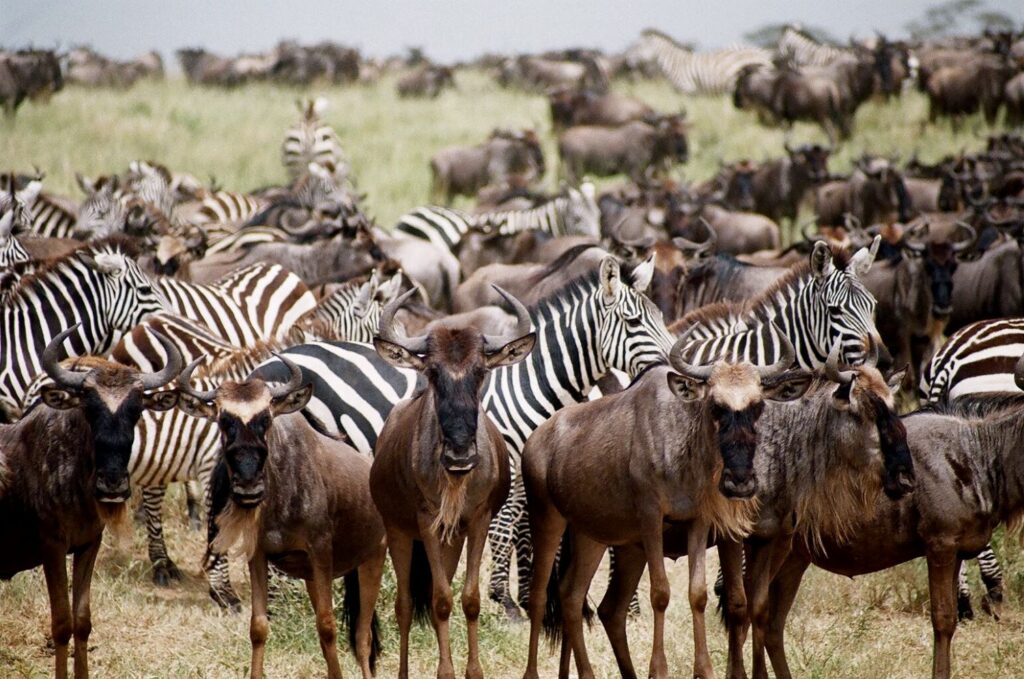
Is the Great Migration Guaranteed?
Planning a once-in-a-lifetime safari requires clarity on questions such as Is the Great Migration guaranteed? This awe-inspiring natural event draws travelers from across the globe to East Africa, where millions of wildebeest, zebras, and gazelles traverse the plains between Serengeti National Park in Tanzania and Maasai Mara National Reserve in Kenya. Unlike controlled wildlife exhibits, the Great Migration is a dynamic, weather-driven phenomenon that depends on rainfall, grass availability, and predator-prey interactions. Understanding whether this event is guaranteed shapes expectations for Kenya Safaris, Kenya Birding Safaris, Kenya Cultural Safaris, Tanzania Safari, and Tanzania Cultural Safari experiences.
Although the Great Migration occurs annually, it cannot be guaranteed in the sense of exact herd locations or timing. Nature governs the movement of millions of herbivores, so itineraries must account for variability. Choosing African Fly-in Safaris ensures that expert guides track migratory patterns in real time, maximizing opportunities to witness river crossings, calving events, and predator interactions. Incorporating this knowledge into Kenya Best Safari or Tanzania Safari packages elevates your experience, aligning expectations with the natural rhythm of the ecosystem.
Exploring Is the Great Migration guaranteed? also emphasizes understanding the seasonal cycle across both countries. Calving occurs in southern Serengeti between December and March, river crossings in Maasai Mara from July to October, and southward movements follow the short rains later in the year. By integrating Kenya Cultural Safaris and Tanzania Cultural Safari extensions into the itinerary, travelers gain deeper insight into pastoralist lifestyles and conservation practices, enriching the safari beyond wildlife observation.
Serengeti National Park – Tanzania: How Reliable Is Migration Timing?
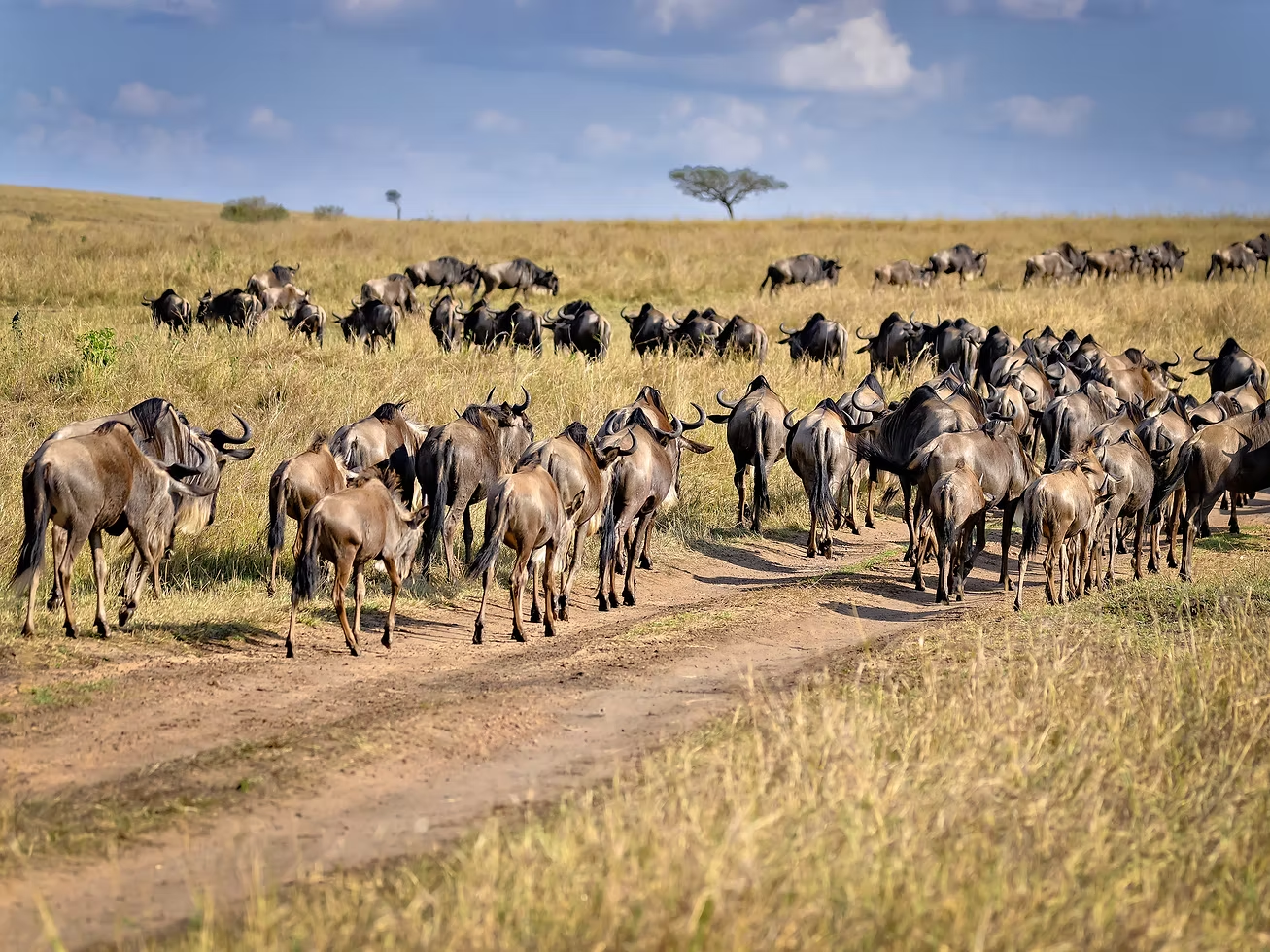
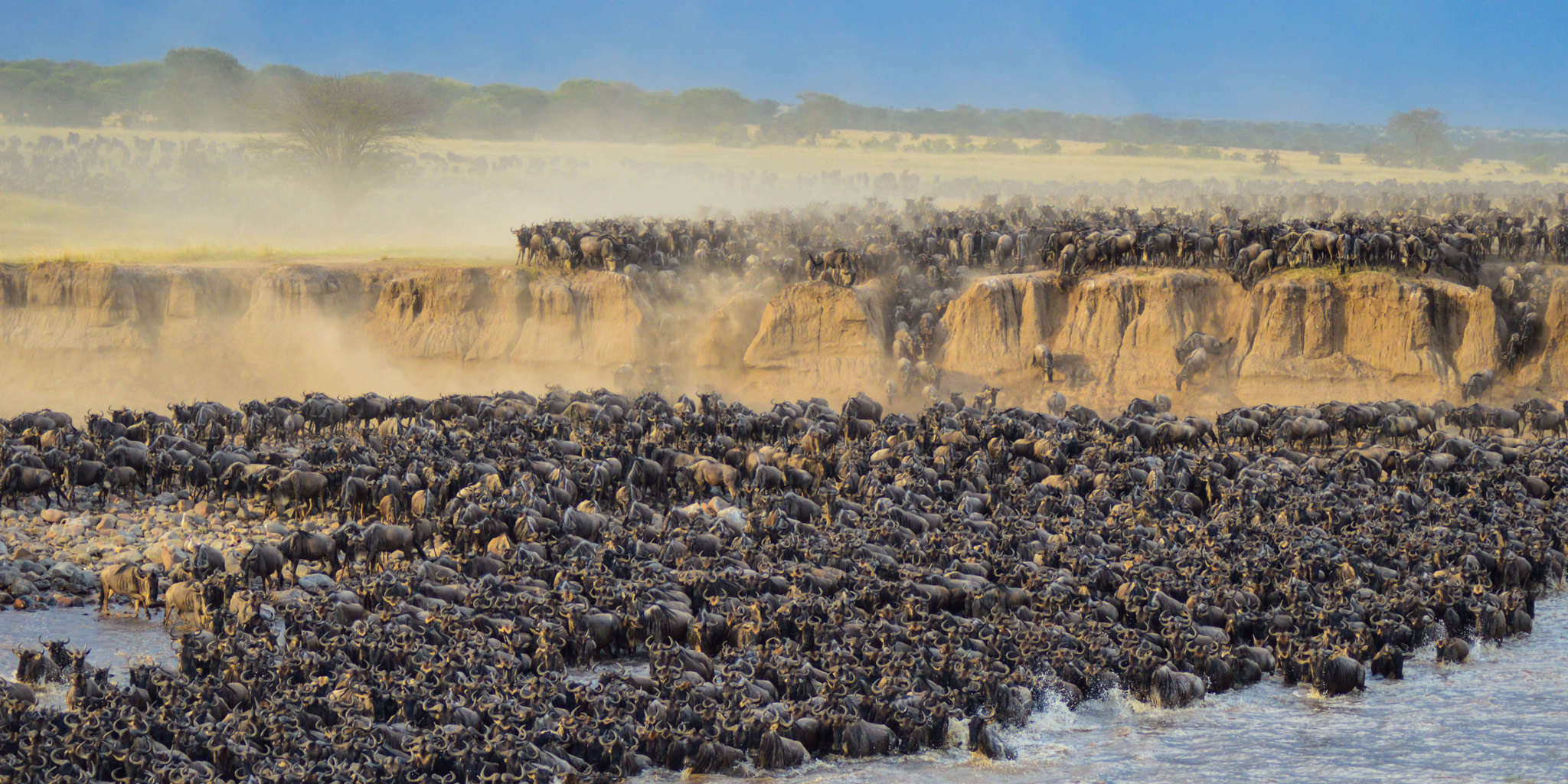
When asking Is the Great Migration guaranteed?, experts point first to Serengeti National Park, where the annual calving season begins between December and March. Wildebeest dominate the scene, with over a million calves born during this period. Zebras and Thomson’s gazelles accompany them, creating a rich tapestry of grazing animals that attract lions, cheetahs, and hyenas. Observing this spectacle is the foundation of many Tanzania Safari experiences, offering opportunities for breathtaking photography, guided game drives, and immersive educational encounters.
Reaching Serengeti National Park involves international flights to Kilimanjaro International Airport or Julius Nyerere International Airport, followed by domestic flights or scenic road transfers to Arusha before connecting to Serengeti airstrips. Visitors can expect full-day game drives with experienced guides, luxury tented camps, and interpretive insights into herbivore and predator behaviors. Costs vary by accommodation and duration, ranging from USD 350–600 per person per day for mid-range safaris to over USD 900 for luxury experiences.
Dry-season months from January to March offer prime opportunities to witness calving, while April to June sees herds moving toward the western corridors and early Grumeti River crossings. Even though sightings are not guaranteed, the consistent annual movement makes Serengeti the most dependable starting point for the Great Migration. Integrating Kenya Birding Safaris in Serengeti allows visitors to observe migratory and endemic species, complementing wildlife encounters with avian diversity.
Maasai Mara National Reserve – Kenya: Can River Crossings Be Predicted?
Answering Is the Great Migration guaranteed? continues in Maasai Mara National Reserve, where herds arrive from Serengeti between July and October. This period features the dramatic Mara River crossings, an iconic highlight of Kenya Best Safari itineraries. Wildebeest, zebras, and gazelles navigate crocodile-infested waters under the scrutiny of predators, creating unforgettable, high-adrenaline wildlife viewing.
Travelers can reach the Maasai Mara by road from Nairobi in five to six hours or via domestic flights to airstrips within the reserve. Expectations include full-day guided game drives, optional sunrise hot air balloon safaris, and immersive encounters with Maasai communities during Kenya Cultural Safaris. Mid-range safari packages range from USD 400–700 per person per day, with luxury lodges exceeding USD 1,000 in peak migration months.
Understanding Is the Great Migration guaranteed? involves recognizing the influence of rainfall and grazing patterns on herd movement. Exact timing for river crossings can vary slightly each year, so flexibility is essential. Experienced guides and real-time tracking enhance the probability of witnessing these dramatic events. Combining wildlife viewing with Kenya Birding Safaris also enriches the experience, highlighting raptors, starlings, and other migratory birds that thrive alongside the Great Migration.
How Do Seasonal Patterns Affect the Migration?
Exploring Is the Great Migration guaranteed? requires knowledge of its continuous, cyclical nature. Following river crossings in Kenya, herds gradually move back south to Tanzanian plains as short rains rejuvenate Serengeti pastures. Wildebeest lead the migration, while zebras and gazelles follow, with predators maintaining ecological balance. Travelers who plan during shoulder seasons can still experience abundant wildlife with fewer crowds, making both Kenya Safaris and Tanzania Safari itineraries intimate and highly rewarding.
Observing seasonal patterns clarifies that although the Great Migration is an annual event, the precise location of herds is subject to nature’s variability. This unpredictability enhances the adventure for travelers seeking authentic wildlife encounters and reinforces the need for expert guidance. Incorporating Tanzania Cultural Safari or Kenya Cultural Safaris allows guests to explore local conservation initiatives, traditional pastoralist practices, and eco-tourism projects that support herd preservation. Cost-effective itineraries can be crafted during off-peak months, balancing budget and experience without compromising the opportunity to witness the spectacle.
 Why Choose African Fly-in Safaris for a Great Migration Experience?
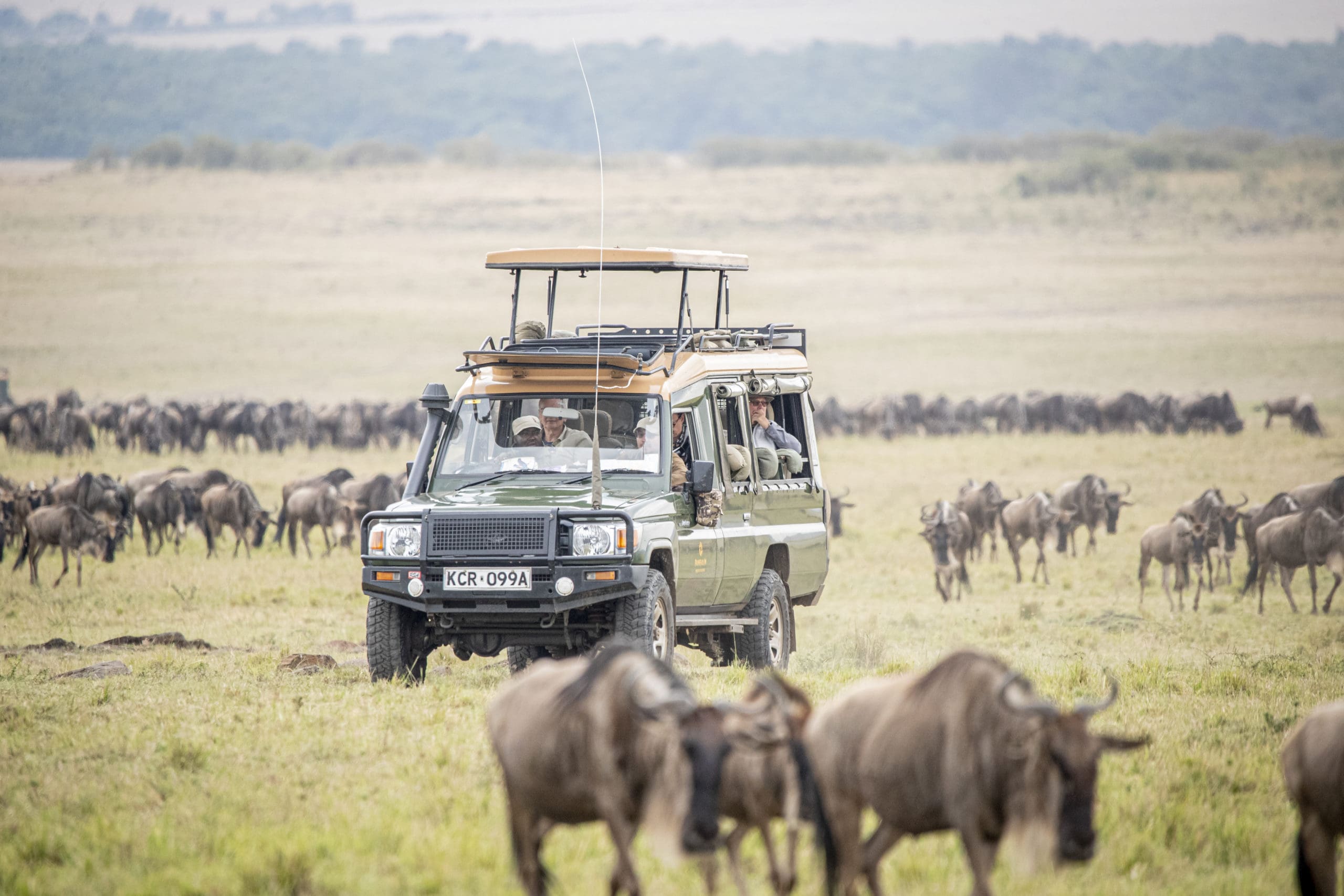
Selecting the right safari operator is crucial when considering Is the Great Migration guaranteed? African Fly-in Safaris combines extensive regional knowledge, real-time migration tracking, and personalized itineraries to ensure maximum wildlife viewing opportunities. Our experienced guides interpret predator-prey interactions, herd behaviors, and seasonal patterns, offering comprehensive Kenya Safaris and Tanzania Safari experiences rooted in Experience, Expertise, Authoritativeness, and Trustworthiness.
Partnering with African Fly-in Safaris guarantees safety, seamless logistics, and access to prime viewing locations across Serengeti and Maasai Mara. Our itineraries integrate Kenya Cultural Safaris, Tanzania Cultural Safari extensions, and optional Kenya Birding Safaris, creating immersive East African journeys that highlight both wildlife and cultural richness. Transparent pricing, conservation-focused initiatives, and ethical practices reinforce our credibility, making every safari a responsible and unforgettable adventure.
Ultimately, answering Is the Great Migration guaranteed? transforms from a simple question into a strategic planning insight. While nature dictates the movement of herds, expert guidance, flexible itineraries, and careful timing ensure travelers experience the Great Migration in its fullest, most thrilling form. African Fly-in Safaris positions every guest at the heart of this remarkable spectacle, blending adventure, education, and conservation into Kenya Best Safari and Tanzania Safari experiences that leave lifelong memories.