Where Can I See the Great Migration in Kenya?
March 4, 2026
Where Can I See the Great Migration in Tanzania?
March 4, 2026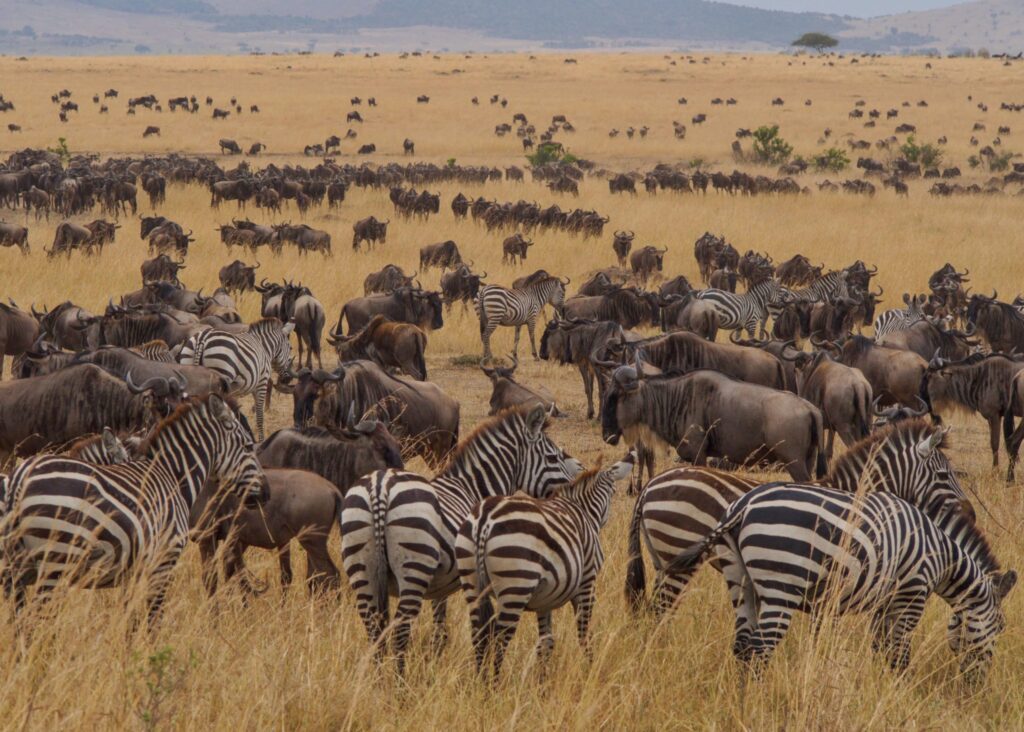
When Does the Great Migration Take Place?
Witnessing one of nature’s most dramatic wildlife spectacles begins with a clear answer to the question: When does the Great Migration take place? Across the vast plains of East Africa, over 1.5 million wildebeest, accompanied by hundreds of thousands of zebras and gazelles, move in a continuous circular pattern between Serengeti National Park in Tanzania and Maasai Mara National Reserve in Kenya. Unlike a single event confined to a specific month, the Great Migrations unfold year-round, guided by rainfall patterns, fresh grazing, and survival instincts. Understanding When does the Great Migration take place? requires examining this natural cycle across both destinations that define the Kenya Safaris and Tanzania Safari experience.
Every stage of the migration offers a different highlight, from calving season in Tanzania to dramatic river crossings in Kenya. Recognizing these seasonal shifts allows travelers to plan Kenya Best Safari adventures or Tanzania Cultural Safari extensions with precision. Choosing the right time influences wildlife density, photography opportunities, accommodation availability, and overall safari costs. Partnering with African Fly-in Safaris ensures expert planning grounded in decades of East African destination knowledge, delivering experiences built on reliability, conservation awareness, and professional excellence.
Exploring When does the Great Migration take place? also means appreciating how local ecosystems support this remarkable movement. Surrounding communities, including Maasai pastoralists, coexist with wildlife, adding depth to Kenya Cultural Safaris and Tanzania Cultural Safari programs. Selecting a trusted safari operator transforms this bucket-list journey into an educational and immersive African expedition aligned with Experience, Expertise, Authoritativeness, and Trustworthiness.
Serengeti National Park – Tanzania: Where Does the Migration Begin?
Understanding When does the Great Migration take place? begins in the southern plains of Serengeti National Park, where the cycle typically starts between December and March. During this calving season, hundreds of thousands of wildebeest give birth within a short window, creating one of the most extraordinary wildlife events in the world. Abundant grasslands fueled by seasonal rains provide essential nutrients for newborns, while predators such as lions, cheetahs, and hyenas closely follow the herds. Witnessing this stage offers travelers an exceptional Tanzania Safari defined by raw authenticity and intense predator-prey interactions.
Observing When does the Great Migration take place? in Serengeti reveals that from April to June, herds begin moving northwest toward the central and western corridors. Grumeti River crossings often occur around May and June, presenting dramatic scenes without the heavier tourist presence found later in Kenya. Experiencing these movements offers photographers extraordinary vantage points and travelers a quieter Kenya Safaris alternative within Tanzania’s borders.
Reaching Serengeti National Park typically involves international flights into Kilimanjaro International Airport or Julius Nyerere International Airport, followed by domestic flights to Serengeti airstrips or scenic road transfers from Arusha. Expect extensive game drives, luxury tented camps, and guided wildlife interpretation led by expert trackers. Budget ranges vary widely, with mid-range safaris starting around USD 350–600 per person per day, while luxury experiences exceed USD 900 per day depending on season and accommodation style. Visiting between January and March offers prime calving sightings, whereas June provides excellent migration movement before river crossings intensify.
 Maasai Mara National Reserve – Kenya: When Do River Crossings Happen?
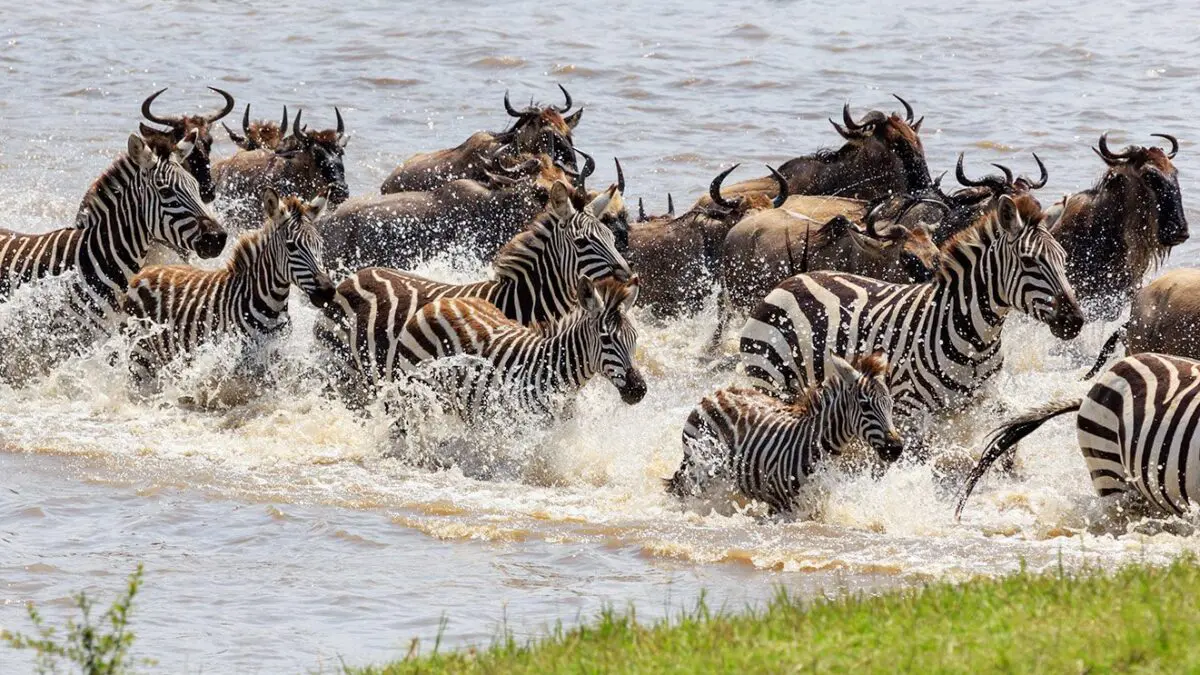
Answering When does the Great Migration take place? reaches its most iconic phase between July and October in Maasai Mara National Reserve. During these months, massive herds cross from Tanzania into Kenya in search of greener pastures. Mara River crossings define this period, as thousands of wildebeest plunge into crocodile-filled waters while predators wait along the banks. Witnessing this spectacle stands as the highlight of many Kenya Best Safari itineraries and defines global perceptions of Kenya Safaris.
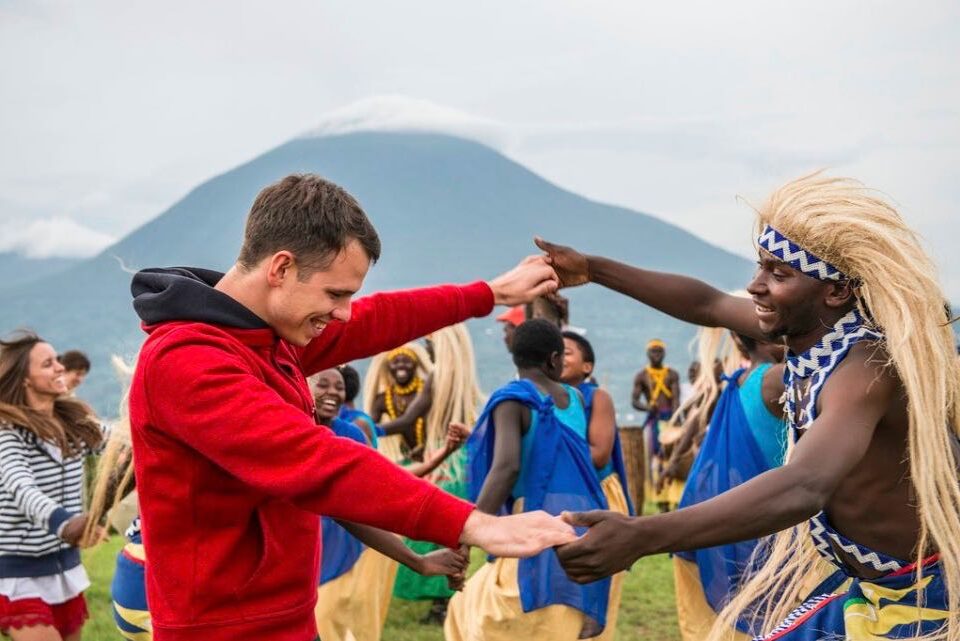
Recognizing When does the Great Migration take place? in the Maasai Mara helps travelers secure accommodations early, as demand peaks during river crossing season. Game drives during this period reveal dramatic action, expansive savannah landscapes, and abundant big cat sightings. Pairing wildlife viewing with Kenya Cultural Safaris introduces guests to Maasai villages, where traditional customs, beadwork artistry, and pastoral heritage deepen the safari narrative.
Accessing the Maasai Mara involves flights from Nairobi’s Wilson Airport to various airstrips within the reserve or a five-to-six-hour road transfer through the Great Rift Valley. Expect full-day game drives, optional hot air balloon safaris at sunrise, and luxury lodges overlooking migration corridors. Safari costs range from approximately USD 400–700 per person per day for mid-range options, with high-end lodges exceeding USD 1,000 during peak migration months. Traveling between July and September maximizes river crossing opportunities, while October offers slightly fewer crowds with continued wildlife abundance.
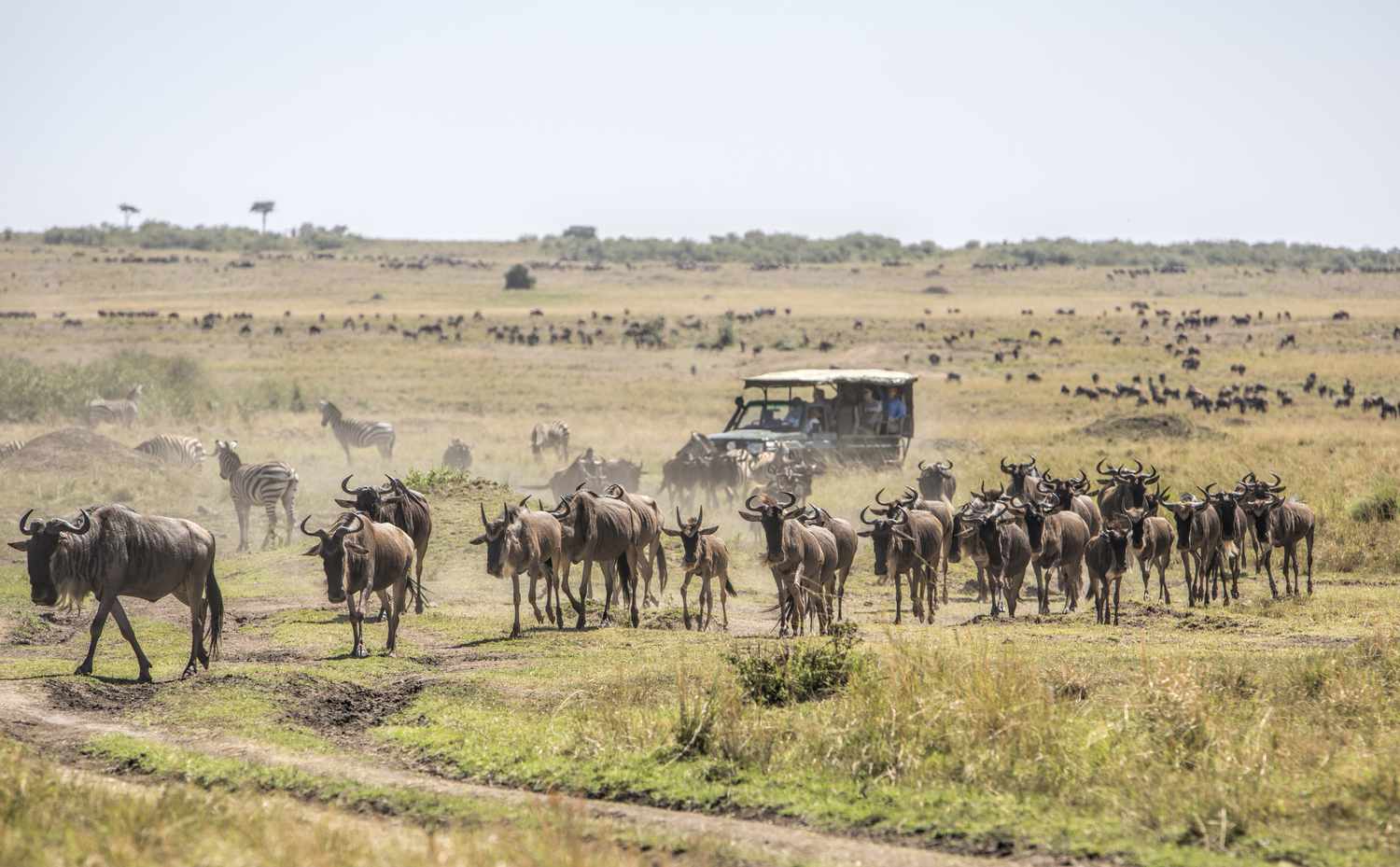
Masai Mara National Park
How Does the Migration Cycle Continue Throughout the Year?
Explaining When does the Great Migration take place? requires understanding its circular movement rather than viewing it as a single seasonal event. After October, herds gradually return southward into Tanzania as short rains rejuvenate the Serengeti plains. November marks transitional movements, while December sees animals dispersing across southern grazing areas once again. Observing these quieter phases provides remarkable Tanzania Safari opportunities with fewer vehicles and serene landscapes.
Evaluating When does the Great Migration take place? during off-peak periods reveals cost advantages and improved lodge availability. Travelers seeking value-driven Kenya Safaris or Tanzania Cultural Safari experiences often prefer shoulder seasons when wildlife remains abundant without peak-season pricing. Bird enthusiasts benefit particularly during green seasons, as migratory species enhance Kenya Birding Safaris and Tanzania’s avian diversity across the Serengeti ecosystem.
Combining migration tracking with cultural exploration enriches the journey beyond wildlife observation. Visiting Maasai communities on either side of the border fosters appreciation for sustainable tourism initiatives that support conservation. Selecting flexible travel windows enables safari planners to adapt itineraries based on rainfall patterns, ensuring optimal positioning within migration corridors.
Why Choose African Fly-in Safaris for Your Great Migration Experience?
Planning around When does the Great Migration take place? demands regional expertise, logistical coordination, and up-to-date wildlife tracking knowledge. African Fly-in Safaris delivers professionally curated Kenya Safaris and Tanzania Safari experiences designed to align perfectly with migration timing. Dedicated safari consultants monitor herd movements continuously, ensuring guests are positioned in prime viewing locations.
Choosing African Fly-in Safaris guarantees transparent pricing, carefully selected lodges, and experienced driver-guides trained in wildlife interpretation. Personalized itineraries integrate Kenya Cultural Safaris, Tanzania Cultural Safari extensions, and optional Kenya Birding Safaris to create comprehensive East African journeys. Commitment to conservation partnerships strengthens our authority within the Africa Tourism Industry, reinforcing trust among global travelers.
Understanding When does the Great Migration take place? transforms from a simple timing question into a strategic travel decision guided by expert insight. Experiencing this natural wonder with African Fly-in Safaris ensures safety, authenticity, and unforgettable encounters across the Serengeti and Maasai Mara ecosystems. Embarking on this extraordinary adventure positions you at the heart of one of the world’s greatest wildlife phenomena, delivered with professionalism and passion.