Where Does Gorilla Trekking Take Place in Uganda?
March 4, 2026
Why Choose Walking Safaris as Part of a Uganda Best Safari Experience?
March 4, 2026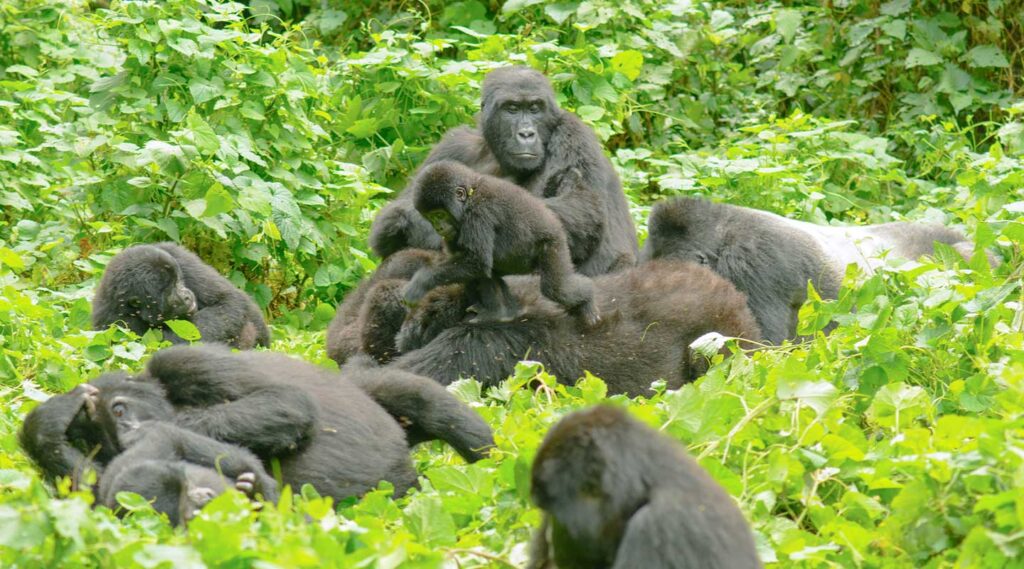
How Difficult Is Gorilla Trekking in Uganda?
How difficult is gorilla trekking in Uganda? This is one of the most frequently asked questions by travelers planning Uganda Safaris, and understandably so. Gorilla trekking in Uganda is an extraordinary wildlife adventure that takes place in dense tropical rainforests where endangered mountain gorillas live freely. While the experience is deeply rewarding, understanding the physical demands, terrain conditions, and preparation required is essential for a successful Uganda Best Safari.
Unlike traditional game drives conducted on open savannah plains, gorilla trekking in Uganda involves guided forest hikes through mountainous landscapes. Within southwestern Uganda, this life-changing activity happens in two protected areas: Bwindi Impenetrable National Park and Mgahinga Gorilla National Park. Both destinations offer unique trekking environments characterized by thick vegetation, uneven trails, and shifting gorilla movements. Consequently, the level of difficulty varies depending on the gorilla family’s location on a particular day.
Globally recognized as one of Africa’s most immersive wildlife encounters, gorilla trekking in Uganda combines adventure, conservation, and cultural interaction. Beyond physical endurance, travelers should prepare mentally for unpredictable forest conditions. Fortunately, experienced rangers, professional trackers, and organized safari teams ensure safety and guidance throughout the journey. Through Uganda Cultural Safaris and Uganda Birding Safaris extensions, guests often complement their trekking adventure with enriching community and biodiversity experiences.
At African Fly-in Safaris, we provide transparent guidance about how difficult gorilla trekking in Uganda can be, ensuring every traveler arrives well-prepared and confident. Our deep field expertise positions us as a trusted authority in the Africa Tourism Industry, offering honest insights that help visitors make informed decisions before embarking on this remarkable expedition.
Why Is Gorilla Trekking in Bwindi Impenetrable National Park Considered Challenging?
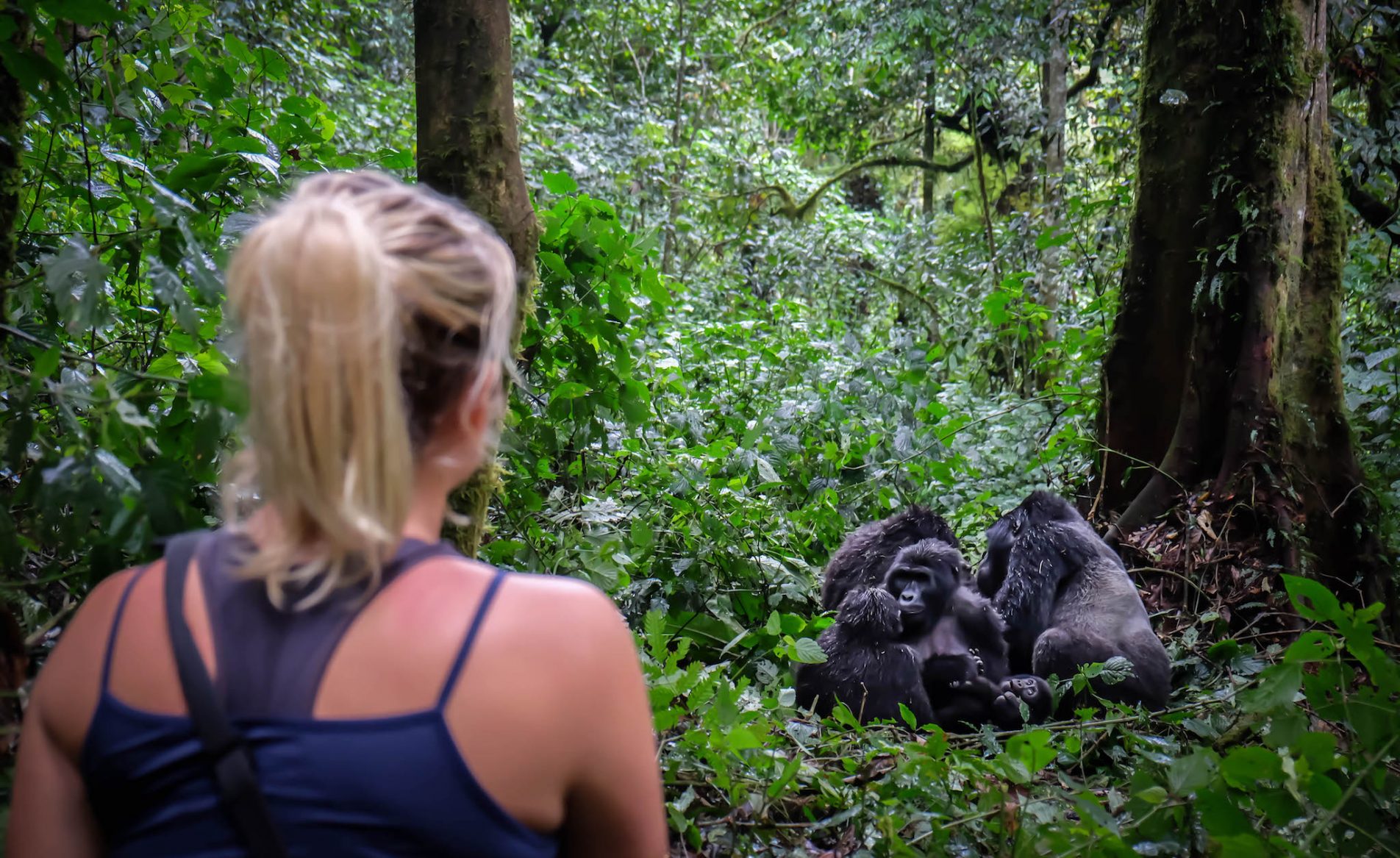
How difficult is gorilla trekking in Uganda when exploring Bwindi Impenetrable National Park? Situated along the Albertine Rift Valley, Bwindi features steep hills, tangled vines, and dense undergrowth that give the park its “impenetrable” name. Elevations range between 1,160 and 2,607 meters above sea level, creating rugged terrain that can be physically demanding, especially for travelers unaccustomed to hiking.
Several factors influence trekking difficulty in Bwindi. First, gorillas move freely within their habitat, meaning trackers locate them early each morning before visitors begin their hike. Sometimes gorilla families remain near trailheads, resulting in shorter walks of one to two hours. Alternatively, certain days require longer treks lasting four to six hours across muddy slopes and narrow forest paths. Physical stamina therefore plays a role, although porters are available to assist by carrying backpacks and offering support on steep sections.
Weather conditions significantly affect trail accessibility. During rainy months, forest floors become slippery, increasing effort levels. Nevertheless, dry seasons from June to September and December to February generally provide firmer ground, making gorilla trekking in Uganda more manageable. Permit allocation also considers fitness levels, allowing older travelers to request closer gorilla groups when available.
Accessing Bwindi involves either an eight-to-ten-hour scenic drive from Kampala or Entebbe, or a shorter domestic flight to Kihihi or Kisoro airstrips. Permit fees currently cost approximately $800 per person, reflecting conservation investment and community support. Despite the physical effort required, the unforgettable one-hour encounter with a mountain gorilla family justifies every step, transforming Uganda Safaris into deeply emotional experiences.
Does Mgahinga Gorilla National Park Offer an Easier Trekking Experience?
How difficult is gorilla trekking in Uganda within Mgahinga Gorilla National Park compared to Bwindi? Located within the scenic Virunga volcanic range, Mgahinga presents a different trekking landscape defined by bamboo forests and volcanic slopes. Although smaller in size, this park’s mountainous setting can still pose moderate challenges depending on gorilla movement patterns.
Terrain in Mgahinga often involves gradual climbs along the foothills of Mount Sabyinyo, Mount Gahinga, and Mount Muhabura. Consequently, hikes may feel less densely obstructed than Bwindi’s thick rainforest but still require endurance and proper footwear. Treks typically range between two and five hours, with experienced guides setting a steady pace suitable for all participants. Smaller visitor numbers contribute to a more relaxed atmosphere, allowing travelers to focus on the natural surroundings.
Reaching Mgahinga involves a nine-hour road journey from Kampala or a domestic flight to Kisoro airstrip, followed by a short transfer to the park gate. Permit pricing remains consistent at around $800 per person. Preparation recommendations include waterproof hiking boots, long-sleeved clothing, gloves for vegetation handling, and adequate hydration supplies.
Expectations should include close proximity to gorillas once located, as visitors spend one regulated hour observing their behavior. Photographic opportunities, primate interactions, and scenic backdrops elevate Uganda Best Safari experiences within this remarkable destination. Complementary Uganda Birding Safaris often reveal Albertine Rift endemic species, enhancing biodiversity appreciation during the visit.
What Physical Preparation Is Needed for Gorilla Trekking in Uganda?
How difficult is gorilla trekking in Uganda for travelers of different age groups? Fitness levels vary widely among visitors, yet most individuals with moderate health can successfully complete the trek. Regular walking, light cardio exercises, and leg-strengthening activities prior to travel significantly improve comfort during hikes.
Age restrictions require participants to be at least 15 years old, ensuring maturity and safety awareness. Senior travelers frequently participate successfully, especially when assisted by local porters who provide balance support. Importantly, rangers conduct pre-trek briefings covering safety protocols and responsible wildlife behavior, minimizing risks during close encounters.
Expect forest humidity, changing weather patterns, and occasional rainfall regardless of season. Anticipate muddy trails and uneven surfaces, particularly during wet months from March to May and October to November. Nevertheless, year-round trekking remains possible due to Uganda’s equatorial climate.
Cost considerations extend beyond permits to include accommodation, transport, meals, and optional Uganda Cultural Safaris experiences such as Batwa community visits near Bwindi. Overall safari packages vary depending on luxury preferences, ranging from mid-range lodges to exclusive eco-retreats.
Uganda Safaris
When Is the Best Time and Why Choose African Fly-in Safaris for Gorilla Trekking in Uganda?
How difficult is gorilla trekking in Uganda during different seasons? Dry months offer easier hiking conditions and clearer photography visibility, making them ideal for many travelers. Wet seasons, however, deliver lush greenery and fewer tourists, creating serene trekking environments despite increased trail difficulty.
Selecting the right safari operator significantly influences overall comfort and preparation. At African Fly-in Safaris, our team provides honest assessments, customized itineraries, and professional ground support to ensure gorilla trekking in Uganda meets global standards of safety and excellence. Extensive field experience enables us to allocate suitable gorilla sectors based on guest fitness levels, while our partnerships with reputable lodges guarantee restful recovery after demanding hikes.
Commitment to sustainable tourism defines our operational philosophy. Revenue from every Uganda Safari contributes to conservation programs, ranger training, and community development initiatives surrounding Bwindi and Mgahinga. Transparent pricing structures eliminate hidden costs, reinforcing trust and reliability for international travelers.
Ultimately, how difficult is gorilla trekking in Uganda? Physical effort is required, yet determination, preparation, and expert guidance transform the challenge into a life-changing accomplishment. Choosing African Fly-in Safaris ensures that this Uganda Best Safari experience becomes not only manageable but profoundly rewarding, positioning us as your dependable partner in Africa’s thriving tourism landscape.