How Close Can You Get to Chimpanzees?
March 5, 2026
Is Chimpanzee Tracking Suitable for Families?
March 5, 2026
What Time of Day Is Best for Chimp Tracking?
Travelers planning immersive primate experiences frequently ask, What time of day is best for chimp tracking? This question is fundamental for anyone seeking to optimize wildlife encounters on Uganda Safaris and Rwanda Safaris, particularly those focused on observing chimpanzees in their natural habitats. Knowing the ideal trekking time ensures visitors experience chimpanzees at their most active while minimizing fatigue, enhancing photography opportunities, and aligning with forest accessibility and safety requirements. Proper planning of trekking schedules is central to a successful Uganda Best Safari experience and contributes to an unforgettable East African adventure.
Prime destinations for chimpanzee tracking include Kibale National Park and Budongo Forest Reserve. Both sites are celebrated for their dense tropical forests, well-habituated chimpanzee groups, and abundant biodiversity. These forests also support Uganda Birding Safaris, where travelers can observe hundreds of bird species, and Uganda Cultural Safaris, offering visitors an opportunity to engage with local communities actively participating in conservation. Expert guides from African Fly-in Safaris provide precise recommendations for trekking times, ensuring visitors maximize wildlife interactions while maintaining ethical and responsible observation practices.
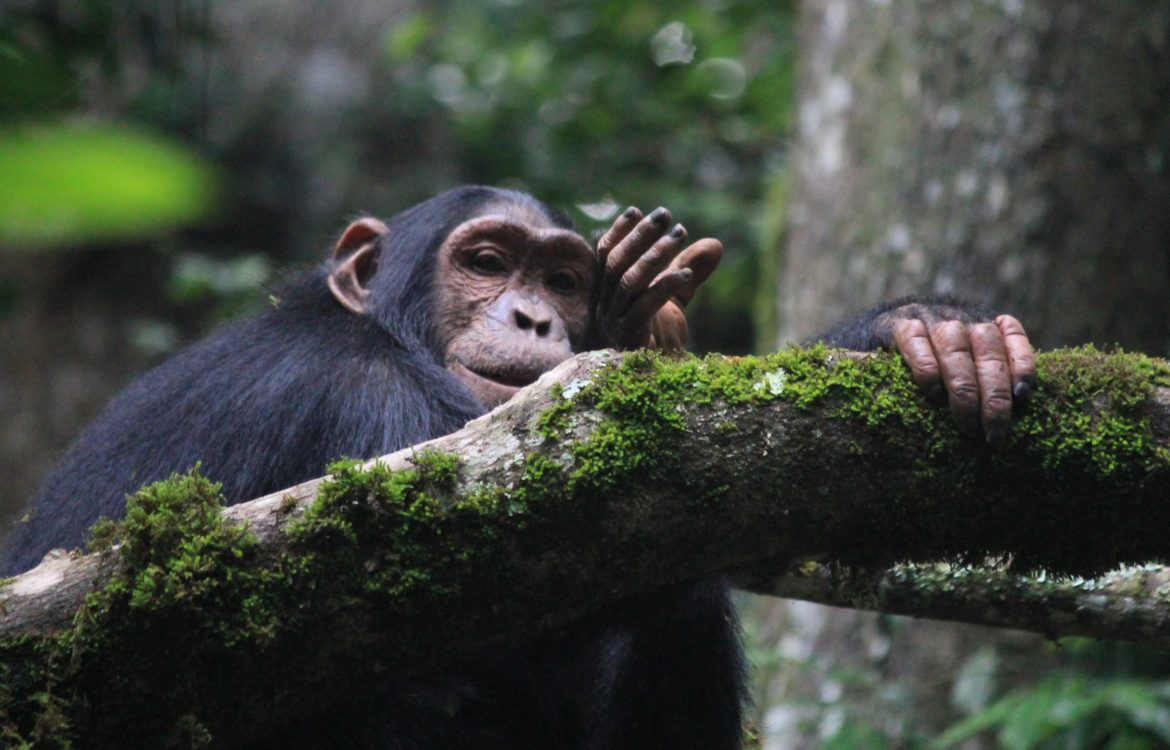
Understanding What time of day is best for chimp tracking allows travelers to strategically schedule their forest treks, balance energy for physically demanding trails, and optimize photography and wildlife observation. Observing chimpanzees during their peak activity periods increases the likelihood of witnessing social behaviors, foraging, and group interactions, making the safari experience both immersive and rewarding.
What Time of Day Is Best for Chimp Tracking in Kibale National Park?
When planning a safari to Kibale National Park, visitors often ask, What time of day is best for chimp tracking? Known as the “primate capital of the world,” Kibale hosts over 1,500 chimpanzees and multiple primate species. Optimal trekking times align with chimpanzees’ activity peaks and weather conditions, ensuring a safe, comfortable, and immersive experience as part of your Uganda Safaris itinerary.
How do travelers reach Kibale National Park?
Most international guests arrive via Entebbe International Airport, followed by a scenic 5–6 hour drive through western Uganda’s lush hills and tea plantations. Transfers arranged by African Fly-in Safaris may include optional stops for birdwatching, making the journey part of Uganda Birding Safaris, and cultural visits to local communities, enriching the Uganda Cultural Safaris experience.
What is the recommended trekking time?
Chimpanzees in Kibale are most active during the early morning between 8:00 AM and 11:00 AM. During this period, they move through the forest in search of food, interact socially, and display grooming behaviors, providing visitors with dynamic and engaging observation opportunities. Afternoon treks are less ideal because chimps often rest or sleep, reducing opportunities to witness social behaviors. Scheduling treks in the morning also avoids the midday heat and increases visibility along dense forest trails.
What can visitors expect during trekking?
Trekking times vary between 2 to 5 hours depending on chimpanzee locations and trail conditions. Once the chimpanzees are located, visitors spend one hour observing behaviors such as feeding, grooming, and juvenile play. Complementary sightings of monkeys and diverse bird species enhance the Uganda Birding Safaris component, making Kibale a well-rounded wildlife experience.
How much does the trek cost?
Chimpanzee tracking permits in Kibale cost approximately $150 per person, supporting both conservation efforts and local community initiatives. Full safari packages provided by African Fly-in Safaris include guided treks, transportation, accommodation, and optional cultural or birding excursions, ensuring a comprehensive Uganda Best Safari experience.
When is the best season for trekking?
The dry months from June to September and December to February offer optimal conditions for morning treks, with accessible trails and favorable visibility. However, guided trekking remains possible year-round, though rainforest paths may be muddy during rainy seasons.
Why choose African Fly-in Safaris for Kibale chimp tracking?
African Fly-in Safaris specializes in professionally guided experiences that balance safety, comfort, and conservation education. Our team’s expertise in Uganda Safaris, including chimpanzee tracking, birding excursions, and cultural encounters, ensures visitors receive a fully immersive and well-organized adventure.
What Time of Day Is Best for Chimp Tracking in Budongo Forest Reserve?
For those seeking a more intimate trekking experience, Budongo Forest Reserve offers less crowded trails and extensive forest coverage. Travelers often ask, What time of day is best for chimp tracking in Budongo to ensure a safe and rewarding wildlife encounter. Proper timing maximizes chimpanzee activity observation while minimizing fatigue and trail difficulties, making it an ideal addition to Uganda Safaris itineraries.
How do visitors reach Budongo Forest Reserve?
Budongo is typically accessed via a two-hour road journey from Fort Portal, passing through tea plantations, rolling hills, and traditional villages. Transfers organized by African Fly-in Safaris include optional birdwatching stops, integrating the trek with Uganda Birding Safaris and cultural interactions as part of Uganda Cultural Safaris experiences.
When should trekkers schedule their visit?
Morning treks between 8:00 AM and 11:00 AM remain optimal, as chimpanzees are most active foraging and socializing during these hours. Afternoon periods often see reduced activity, with chimps resting in shaded areas. Observing chimpanzees in the morning also ensures comfortable temperatures along the forest trails and better lighting for photography.
What should visitors expect during the trek?
Treks in Budongo usually last 2 to 4 hours depending on the chimpanzee group’s location. Visitors spend approximately one hour observing chimpanzee social behavior, feeding patterns, and interactions with other forest species. The dense forest and abundant birdlife provide an additional highlight for Uganda Birding Safaris, offering a multifaceted wildlife experience.
How much does the trek cost?
Chimpanzee tracking permits in Budongo are approximately $100 per person, supporting conservation initiatives and community development. African Fly-in Safaris packages include guiding, transportation, accommodation, and optional cultural or birding activities, delivering a well-rounded Uganda Best Safari itinerary.
Why choose African Fly-in Safaris for Budongo chimpanzee tracking?
African Fly-in Safaris ensures travelers experience expertly guided, safe, and responsible wildlife encounters. Our itineraries integrate chimpanzee tracking with birding and cultural experiences, providing a comprehensive and unforgettable Uganda Safaris journey that supports conservation and local communities.