Are Night Game Drives Available in Uganda?
March 5, 2026
How Many People Share a Safari Vehicle?
March 5, 2026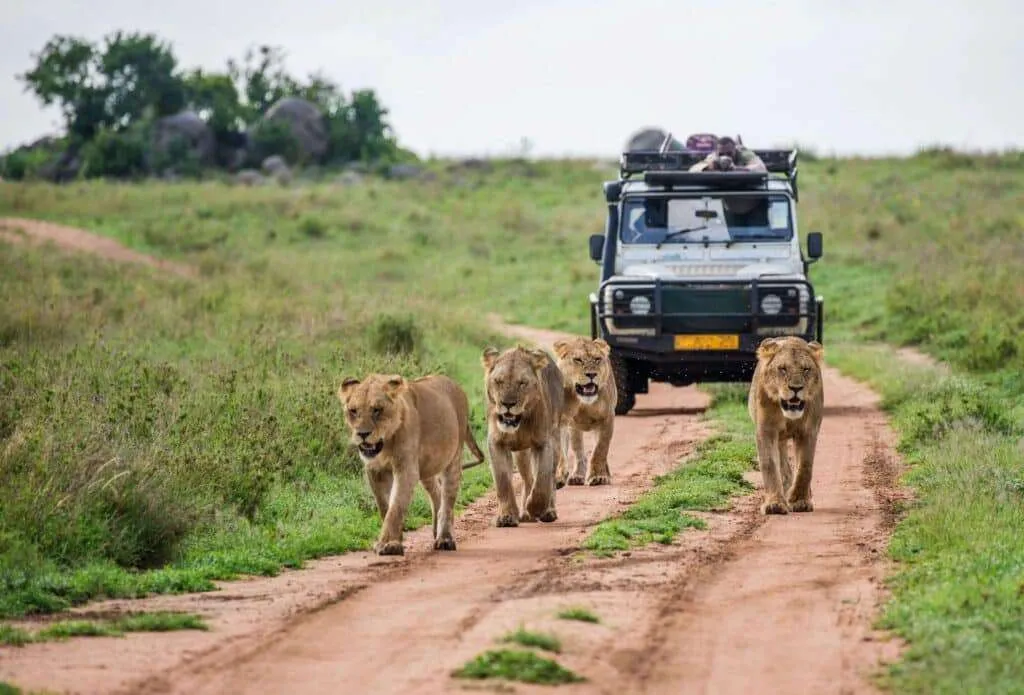
What Animals Are Commonly Seen During Game Drives?
Travelers often ask, What Animals Are Commonly Seen During Game Drives? Uganda offers some of the most diverse and accessible wildlife experiences in Africa, making it a top destination for safari enthusiasts. The country’s protected areas, ranging from savannah plains to tropical forests and wetlands, provide habitats for iconic species such as elephants, lions, giraffes, buffaloes, and a variety of antelopes. Guided Uganda Wildlife Safaris ensure visitors witness these animals in their natural environments while learning about their behavior, ecology, and conservation significance.
Wildlife in Uganda follows predictable patterns based on feeding, breeding, and daily movements, which professional guides use to optimize sightings. Morning and late afternoon game drives are particularly productive, allowing travelers to observe active predators, foraging herbivores, and migratory birds. Combining traditional wildlife viewing with Uganda Birding Safaris provides a richer understanding of ecosystem interactions. This approach enhances Uganda Best Safari experiences by offering diverse encounters that go beyond simply spotting animals, incorporating learning, photography, and immersive storytelling into every excursion.
Professional guides are essential for maximizing wildlife encounters. Certified guides possess deep knowledge of species identification, tracks and signs, seasonal behaviors, and habitat preferences. Travelers benefit from educational commentary that explains ecological relationships, predator-prey dynamics, and conservation challenges. Integrating cultural elements alongside wildlife observation further enriches Uganda Cultural Safaris, as visitors gain insight into how local communities coexist with and protect wildlife. Understanding What Animals Are Commonly Seen During Game Drives allows travelers to plan trips strategically and enjoy both memorable sightings and meaningful educational experiences.
Uganda’s wildlife diversity, combined with experienced guiding, positions the country as a leading African safari destination. Through well-timed game drives and expertly planned itineraries, visitors experience the richness of Uganda’s fauna in ways that support conservation and sustainable tourism. Every Uganda Safari is designed to deliver unforgettable encounters while highlighting the country’s ecological significance.
Which Animals Are Frequently Spotted in Queen Elizabeth National Park?
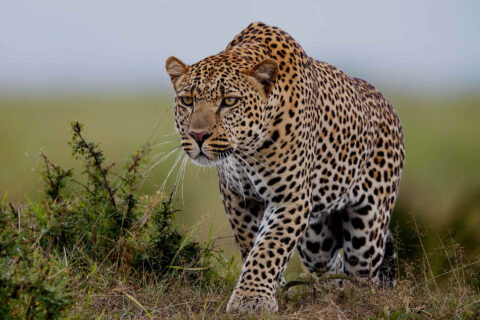
Many travelers ask, What Animals Are Commonly Seen During Game Drives? Queen Elizabeth National Park offers a comprehensive answer. Located in western Uganda, this park spans savannahs, wetlands, and crater lakes, creating an environment where diverse wildlife thrives. Uganda Wildlife Safaris in this park provide opportunities to observe African elephants, Uganda kob, lions, leopards, hyenas, and buffaloes, as well as numerous bird species, including rare raptors and migratory waterbirds.
Morning game drives in Queen Elizabeth National Park are particularly effective for spotting large mammals feeding or moving between habitats. Elephants often emerge from forested areas to graze in open plains, while lions and leopards hunt prey during early hours. Travelers also enjoy encounters with giraffes browsing treetops, warthogs foraging, and Uganda kob forming herds near watering holes. Guided Uganda Birding Safaris enhance the experience, with expert guides pointing out species such as the shoebill stork and papyrus gonolek along riverine habitats and wetlands.
Late afternoon drives in the park provide a unique perspective on predator-prey interactions. Lions become active, hyenas roam the plains, and birds return to roost, creating dynamic viewing opportunities. Guides educate travelers on animal behavior, territorial patterns, and ecological importance, making each Uganda Best Safari excursion both memorable and informative. Cultural interactions also enrich the experience, as visitors encounter local communities engaged in sustainable agriculture, fishing, and traditional craft-making, demonstrating the coexistence of human and wildlife populations.
Costs for game drives in Queen Elizabeth National Park range from $150 to $250 per person per day for standard packages, with mid-range and luxury options reaching $450 to $600 per person per day, depending on accommodation, vehicle type, and additional experiences. Dry seasons from June to August and December to February offer the best wildlife viewing conditions, while professional guides maximize sightings throughout the year. Understanding What Animals Are Commonly Seen During Game Drives in Queen Elizabeth ensures travelers experience the park’s iconic wildlife efficiently and safely.
Which Species Are Frequently Encountered in Murchison Falls National Park?
When asking What Animals Are Commonly Seen During Game Drives?, Murchison Falls National Park stands out as a prime example. This northern Ugandan park combines savannah, riverine forests, and the dramatic Nile River falls, hosting a diverse range of wildlife. Large populations of elephants, giraffes, lions, leopards, buffalo, and Uganda kob inhabit the area, offering reliable sightings during well-timed game drives. Bird enthusiasts also benefit from Uganda Birding Safaris, spotting species such as the African fish eagle, colorful kingfishers, and rare herons along the Nile.
Morning excursions in Murchison Falls allow travelers to observe active predators and herbivores feeding or moving between grazing areas. Elephants often travel in family herds, while lions patrol territories and hyenas hunt opportunistically. Guides provide detailed commentary, explaining social structures, feeding habits, and interactions between species, enhancing Uganda Wildlife Safaris beyond simple visual observation. Late afternoon drives offer additional opportunities, as animals become more active before dusk, and bird activity increases in wetlands and riverbanks.
Photography is optimized during early and late game drives, with soft natural lighting highlighting the park’s scenic landscapes. Guided excursions also incorporate Uganda Cultural Safaris, as visitors interact with nearby communities that depend on sustainable natural resource management. Travelers learn about local customs, conservation initiatives, and how tourism supports livelihoods while protecting wildlife habitats.
Game drive costs in Murchison Falls typically range from $180 to $250 per person per day, with premium packages reaching $450 to $600 per person per day, including expert guides, transport, and accommodations. Understanding What Animals Are Commonly Seen During Game Drives ensures travelers enjoy productive wildlife viewing and immersive safari experiences in one of Uganda’s most iconic destinations.
How Much Do Game Drives in Uganda Cost?
Travelers often combine the question What Animals Are Commonly Seen During Game Drives? with concerns about pricing. Uganda Safaris vary in cost depending on park choice, duration, accommodation, transportation, and inclusion of specialized experiences such as birding or cultural visits. Budget options start at $150 to $250 per person per day, covering park entry, transport in 4×4 safari vehicles, and guided excursions.
Mid-range Uganda Wildlife Safaris range between $300 and $450 per person per day, offering upgraded accommodations, private vehicles, and expert guiding. Luxury packages exceed $600 per person per day, featuring exclusive lodges, private guides, and curated itineraries to maximize wildlife sightings and photography opportunities. Choosing professionally guided game drives ensures higher success rates for spotting elephants, lions, buffalo, and rare bird species, while guaranteeing safety, education, and comfort throughout the safari.
When Is the Best Time for Game Drives in Uganda?
Seasonal timing is essential for travelers considering What Animals Are Commonly Seen During Game Drives? Uganda’s climate allows year-round wildlife viewing, but dry seasons—June to August and December to February—offer optimal conditions. During these months, water sources concentrate animals, vegetation is more open, and roads are accessible, allowing professional guides to lead productive Uganda Wildlife Safaris.
Wet seasons—March to May and September to November—offer lush scenery and excellent birding opportunities for Uganda Birding Safaris, although some trails may be challenging to navigate. Expert guides adjust itineraries according to seasonal patterns to ensure travelers still encounter elephants, lions, antelopes, and endemic bird species efficiently. By planning game drives at peak wildlife activity times, visitors experience Uganda’s biodiversity at its most vibrant, enhancing Uganda Best Safari memories.
Why Choose African Fly-in Safaris for Game Drives in Uganda?
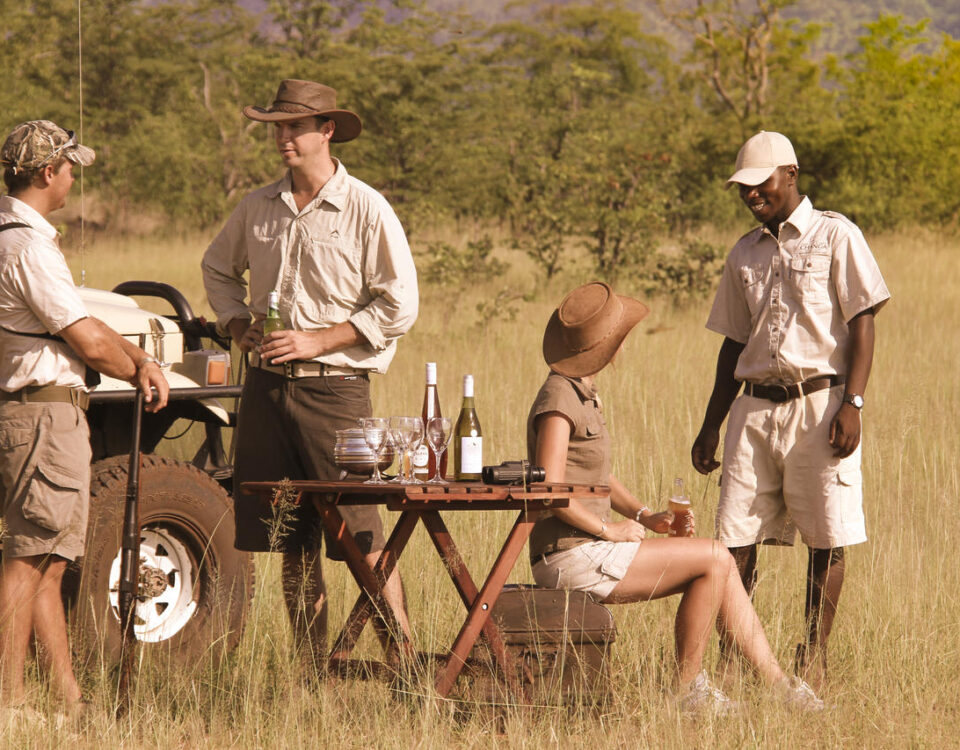
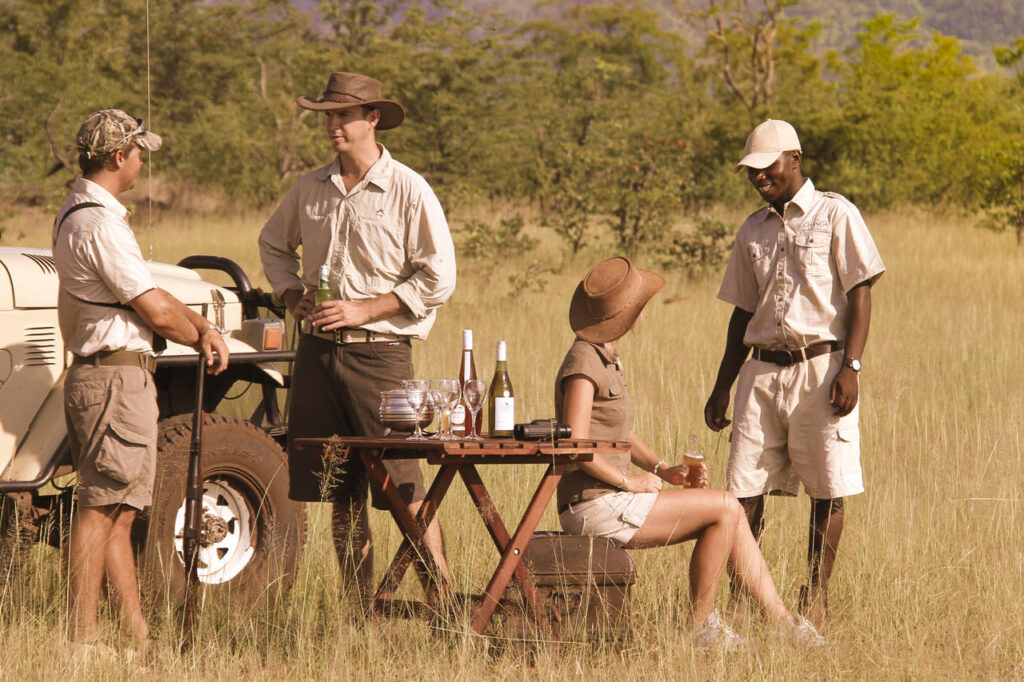
Travelers asking What Animals Are Commonly Seen During Game Drives? need professional guidance to maximize their safari experience. African Fly-in Safaris provides expertly curated Uganda Safaris, combining wildlife observation, birdwatching, and cultural immersion into seamless itineraries.
Certified guides employed by African Fly-in Safaris possess extensive knowledge of Uganda’s ecosystems, wildlife behavior, and bird identification. Their expertise ensures travelers witness key species such as elephants, lions, buffalo, and endemic birds while learning about conservation and ecological relationships. Integrating Uganda Cultural Safaris provides insight into community lifestyles and conservation initiatives, creating holistic Uganda Best Safari experiences.
African Fly-in Safaris emphasizes responsible tourism, supporting local communities and promoting sustainable practices. Visitors gain safe, educational, and unforgettable wildlife encounters while contributing to the protection of Uganda’s unique ecosystems. Choosing African Fly-in Safaris ensures that every game drive is timed, guided, and executed for maximum wildlife sightings, making every journey across Uganda’s national parks truly exceptional.