What Animals Are Commonly Seen During Game Drives?
March 5, 2026
Can I Take Professional Camera Equipment on a Game Drive?
March 5, 2026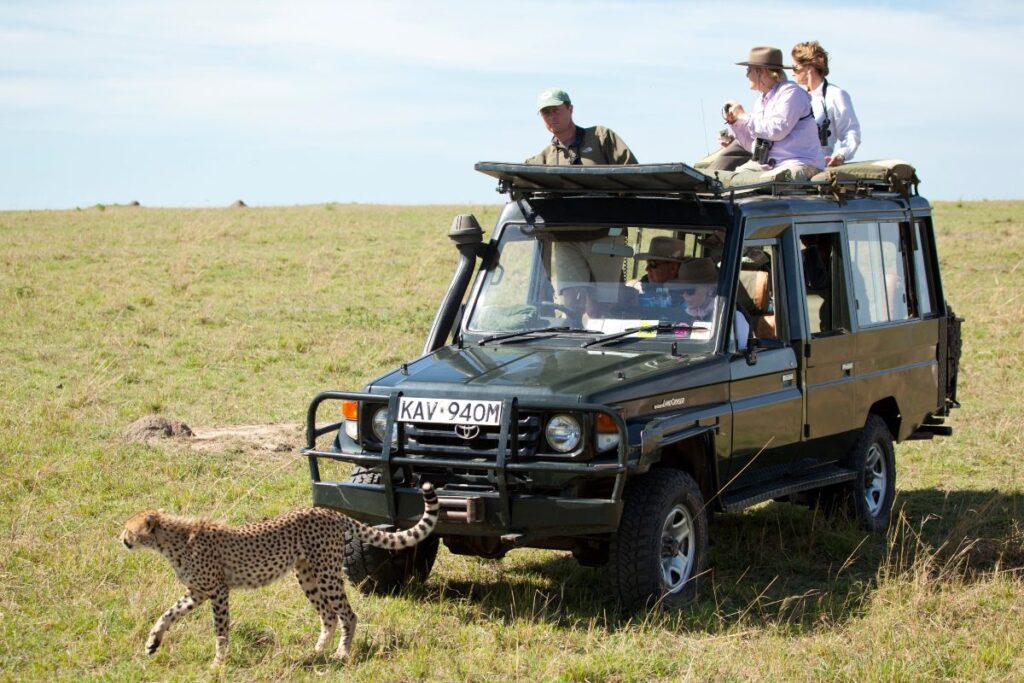
How Many People Share a Safari Vehicle?
Travelers planning African adventures often ask, How Many People Share a Safari Vehicle? Understanding vehicle arrangements is crucial for both comfort and experience during Uganda Safaris, particularly on Uganda Wildlife Safaris and Uganda Birding Safaris. Uganda, widely recognized as one of Africa’s premier safari destinations, offers diverse wildlife, breathtaking landscapes, and immersive cultural experiences. Whether observing elephants in Queen Elizabeth National Park, tracking lions in Murchison Falls, or birdwatching in Mabamba Wetland, the number of occupants in a safari vehicle significantly affects sighting opportunities, photography, and personalized guidance.
Professional safari operators like African Fly-in Safaris prioritize visitor comfort while maintaining ecological responsibility. Vehicles are usually designed for small groups, allowing unobstructed views of wildlife and minimizing disturbances to natural habitats. Sharing a safari vehicle with a limited number of travelers ensures that each participant enjoys a clear line of sight, an intimate encounter with nature, and direct interaction with certified guides. This arrangement is particularly valuable during Uganda Birding Safaris, where identifying subtle plumage differences, spotting rare species, and listening to bird calls require careful attention.
Additionally, group size influences the educational quality of Uganda Cultural Safaris. Smaller groups provide flexibility to explore local communities, ask questions, and engage meaningfully with cultural practices. Larger groups may benefit from social interaction, but the trade-off often includes less personalized attention from guides. Understanding How Many People Share a Safari Vehicle enables travelers to plan their trips according to comfort preferences, photography needs, and interaction levels, ensuring a rewarding Uganda Best Safari experience.
With expertly guided tours and thoughtfully arranged vehicles, African Fly-in Safaris balances wildlife viewing, cultural immersion, and educational experiences to deliver safaris that are both memorable and comfortable. This approach underscores Uganda’s standing as a world-class destination for sustainable, high-quality safari adventures.
What Is the Typical Group Size in Safari Vehicles?
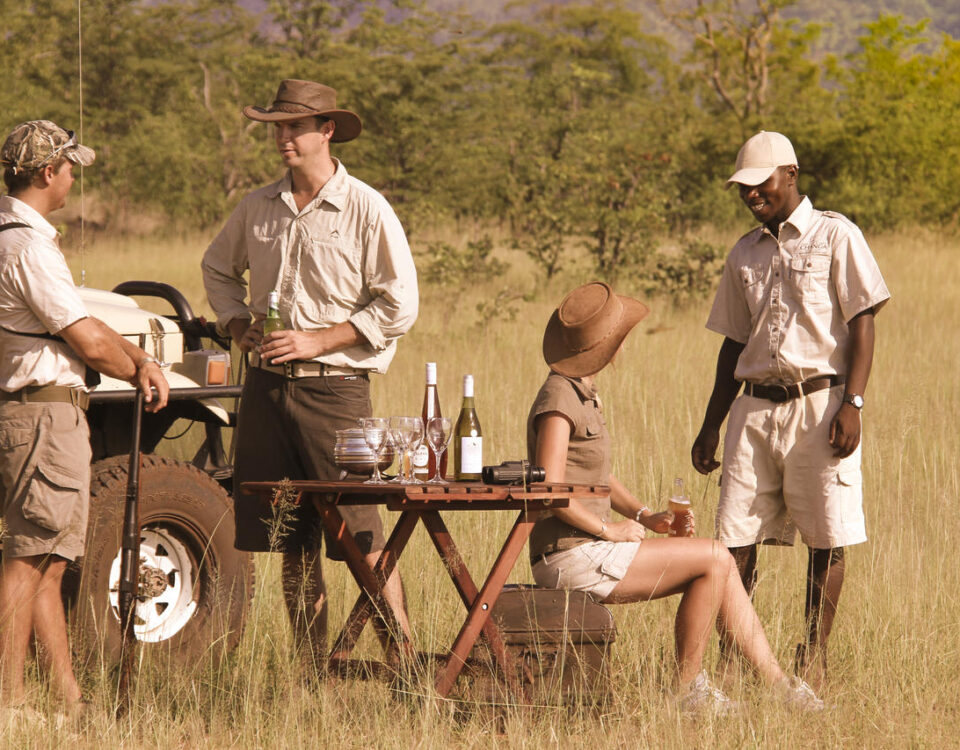
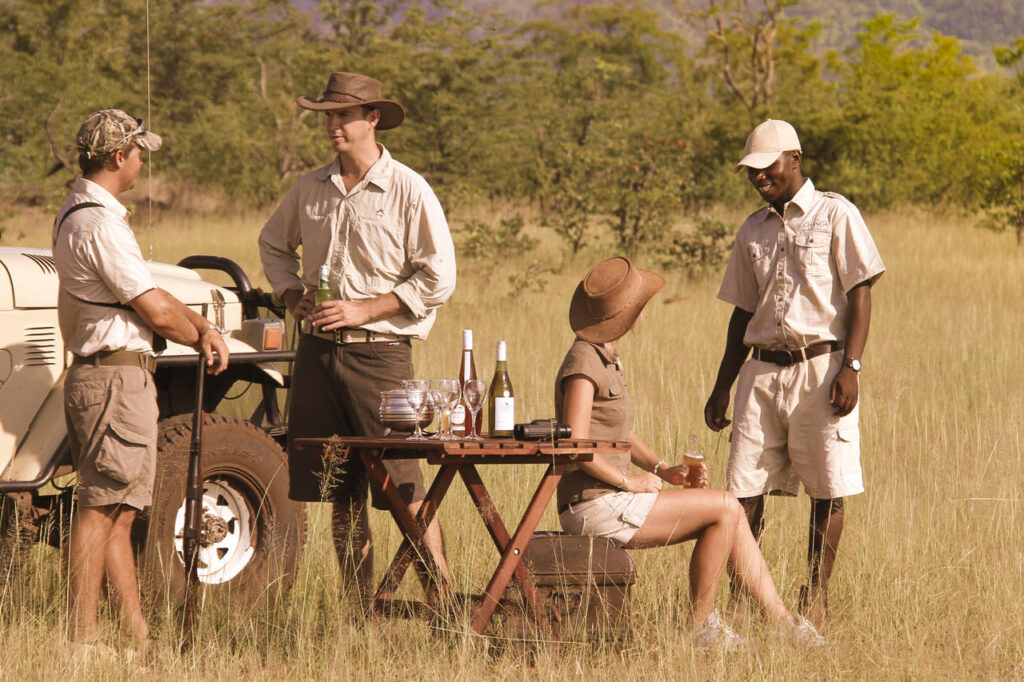
Visitors often ask, How Many People Share a Safari Vehicle? In Uganda, the standard arrangement is a 6- to 8-passenger vehicle, allowing each traveler unobstructed views of wildlife and landscapes. For private or premium safaris, smaller vehicles with 2 to 4 guests are available, enhancing exclusivity and offering highly personalized experiences during Uganda Wildlife Safaris. Smaller vehicles are particularly advantageous for photographers, birders, and travelers who value quiet observation, as they reduce noise and minimize wildlife disturbance.
Guided Uganda Birding Safaris benefit from smaller groups because guides can focus on each guest’s interests, whether it’s spotting rare species, interpreting calls, or explaining ecological relationships. For example, in Mabamba Wetland, where the shoebill stork and papyrus gonolek are prime targets, intimate vehicle arrangements allow passengers to concentrate without obstruction, ensuring rare sightings are not missed. Similarly, in Bwindi Impenetrable Forest, where forest birds and primates coexist, smaller vehicles improve maneuverability along narrow forest tracks, maximizing encounters while preserving fragile ecosystems.
Larger groups, while more social, require careful coordination to maintain quality. Vehicles are equipped with elevated seats, binoculars, and viewing platforms to ensure every participant benefits from the safari. Combining vehicle arrangements with strategic timing—early morning or late afternoon drives—optimizes wildlife activity, allowing travelers to observe elephants, lions, giraffes, buffalo, and rare bird species in action. This careful planning demonstrates why understanding How Many People Share a Safari Vehicle is integral to crafting the ideal Uganda Best Safari experience.
How Does Group Size Affect Wildlife and Birdwatching Experiences?
When travelers ask, How Many People Share a Safari Vehicle?, the answer significantly influences wildlife and birding experiences. Fewer passengers allow guides to maintain a quieter, more controlled environment, which is critical for observing sensitive species such as leopards, African wild dogs, or shy birds like the Grauer’s swamp-warbler. Smaller vehicles improve responsiveness; guides can adjust positioning quickly to capture fleeting wildlife moments without startling animals.
Uganda Birding Safaris rely heavily on optimal group sizes. Expert guides can direct binoculars, provide close-up identification tips, and explain ecological significance without being distracted by managing a large group. In Queen Elizabeth National Park, for instance, spotting shoebills, fish eagles, or African finfoots requires patience, precision, and minimal disruption. With fewer people in the vehicle, each sighting becomes a focused, educational experience, highlighting the expertise and authoritativeness that define high-quality Uganda Wildlife Safaris.
Cultural engagement also benefits from smaller groups. During Uganda Cultural Safaris, travelers interact with local communities, learn traditional practices, and observe rural livelihoods. Smaller groups foster meaningful conversations, allowing guests to ask questions, participate in cultural demonstrations, and understand conservation practices. Conversely, overcrowded vehicles may compromise visibility, limit interaction, and reduce comfort, emphasizing why vehicle size directly impacts the overall safari experience. Understanding How Many People Share a Safari Vehicle helps travelers choose arrangements that balance wildlife viewing, birding, and cultural immersion, creating a holistic Uganda Best Safari adventure.
How Much Does a Safari Vehicle Cost in Uganda?
Cost considerations are central for travelers exploring How Many People Share a Safari Vehicle? Vehicle arrangements influence safari pricing based on group size, vehicle type, and exclusivity. Standard game drive vehicles for groups of 6-8 passengers generally range from $150 to $250 per person per day, covering park fees, transport, and certified guide services.
Private or semi-private vehicles for 2-4 travelers provide exclusive experiences and can cost $400 to $600 per person per day, depending on the itinerary, accommodation level, and inclusions such as birding excursions or cultural interactions. Smaller vehicles optimize wildlife encounters, enhance photography opportunities, and ensure focused guidance, adding value to Uganda Wildlife Safaris.
Luxury safari vehicles with personalized service, professional guides, and high-end amenities elevate the experience further, combining comfort with immersive wildlife observation. Costs typically exceed $600 per person per day and are ideal for travelers seeking intimate encounters with elephants, lions, giraffes, and endemic bird species during Uganda Best Safari itineraries. Understanding vehicle arrangements and pricing ensures travelers can select the most suitable option for their preferences, maximizing both comfort and sightings.
When Is the Best Time to Enjoy Safari Vehicles Fully?
Timing is critical when considering How Many People Share a Safari Vehicle? Early morning and late afternoon drives remain the most productive periods for observing wildlife. Animals are most active during these cooler hours, increasing chances of seeing lions hunting, elephants moving across the plains, or birds foraging in wetlands.
Dry seasons, from June to August and December to February, provide excellent visibility and easier road conditions, ensuring vehicles can access key wildlife zones. Wet seasons, from March to May and September to November, offer lush scenery and abundant bird activity for Uganda Birding Safaris, although road conditions may limit access to certain areas. Professional guides optimize safari timing, positioning vehicles strategically to maximize sightings while ensuring passenger comfort. Understanding How Many People Share a Safari Vehicle allows travelers to plan excursions efficiently, ensuring that early morning or late afternoon drives deliver the richest wildlife and birding experiences.
Why Choose African Fly-in Safaris for Vehicle Arrangements in Uganda?
Selecting the right safari operator is essential for travelers asking How Many People Share a Safari Vehicle? African Fly-in Safaris provides expertly designed Uganda Safaris, balancing wildlife observation, birding, and cultural immersion in vehicles suited to each guest’s needs.
Certified guides employed by African Fly-in Safaris possess extensive knowledge of Uganda’s ecosystems, wildlife behavior, and rare bird species. Their expertise ensures that vehicles are positioned optimally for wildlife sightings, photography, and educational commentary. Smaller vehicle arrangements enhance visibility, minimize disturbance, and allow for immersive interaction during Uganda Birding Safaris and Uganda Cultural Safaris.
African Fly-in Safaris emphasizes responsible tourism, supporting local communities and promoting sustainable practices. Travelers enjoy safe, comfortable, and enriching safari experiences while contributing to the conservation of Uganda’s unique ecosystems. Choosing African Fly-in Safaris ensures that vehicle arrangements are carefully planned, timing is optimized, and wildlife encounters are maximized, making every journey a standout Uganda Best Safari adventure.