Is Chimpanzee Tracking Suitable for Families?
March 5, 2026
What Is the Minimum Age for Chimpanzee Tracking?
March 5, 2026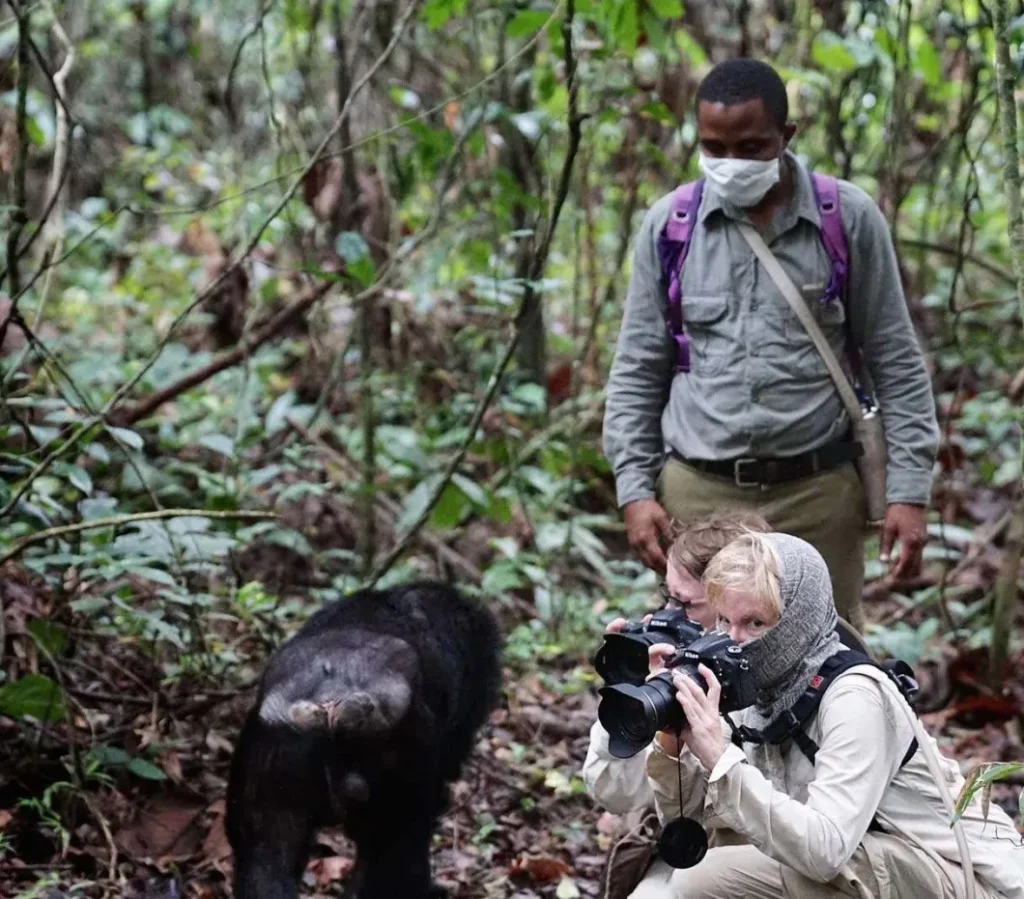
How Fit Should I Be for Chimp Trekking?
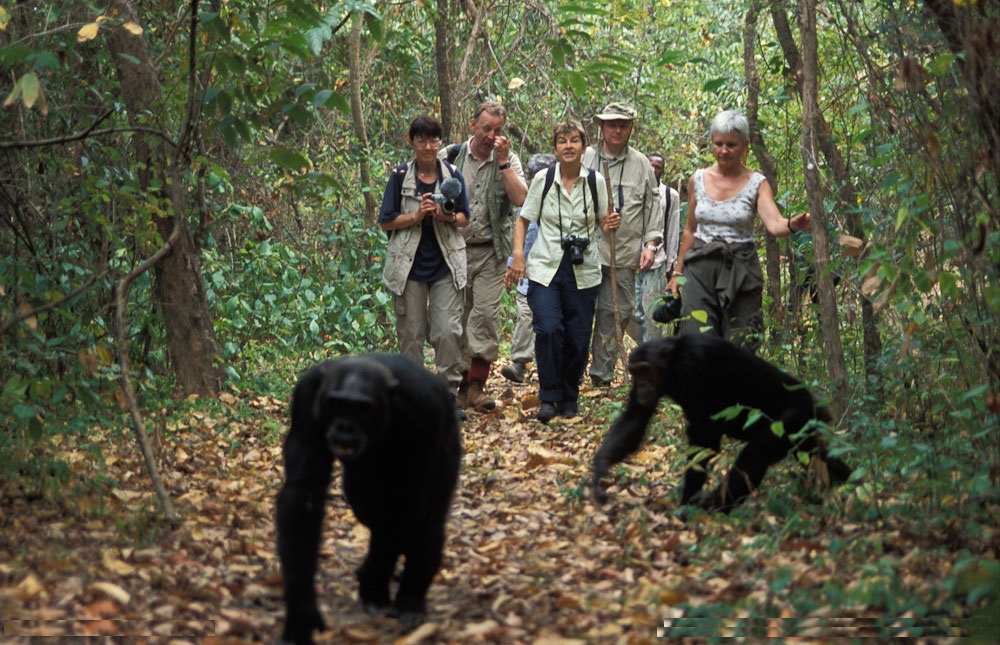
Travelers planning transformative Uganda Safaris and Rwanda Safaris often ask, How Fit Should I Be for Chimp Trekking? This question is essential for ensuring a safe, enjoyable, and fulfilling wildlife experience. Chimpanzee trekking is not only about observing these fascinating primates but also about navigating lush tropical forests, sometimes over uneven and steep terrain. Understanding the fitness requirements allows visitors to prepare appropriately, ensuring comfort, safety, and the ability to fully appreciate the natural environment. Destinations such as Kibale Forest National Park and Nyungwe Forest National Park offer structured trekking experiences suitable for a wide range of abilities, but physical preparation significantly enhances the overall adventure.
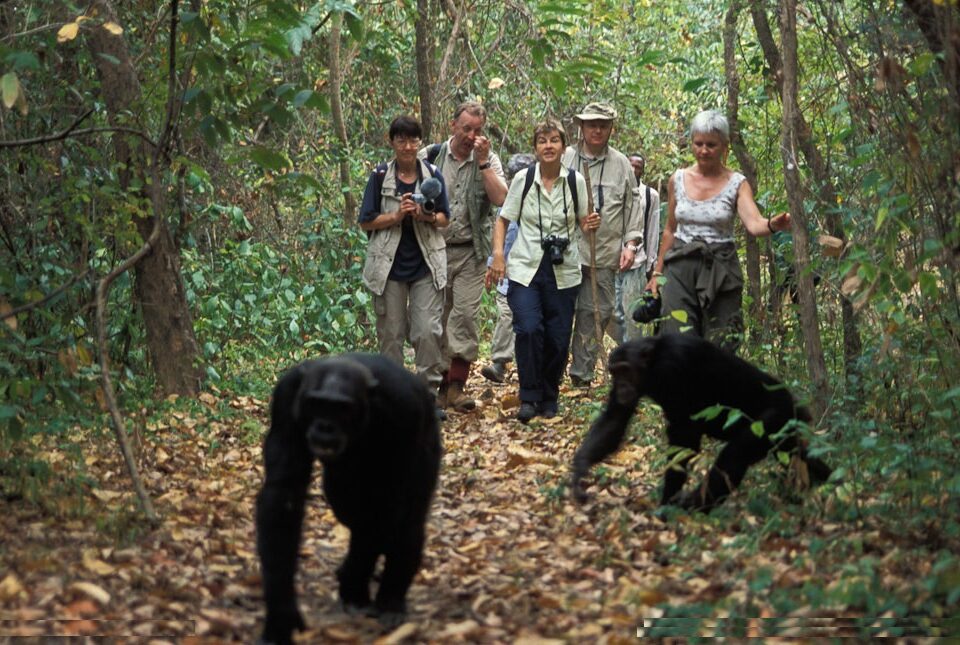
Chimpanzee trekking can involve walking for several hours, often on narrow, muddy, or slippery trails. Fitness levels affect stamina, endurance, and ability to keep pace with guides and trackers, making it critical for travelers to evaluate their physical readiness. While trekking is not extreme mountaineering, visitors should expect moderate to strenuous physical activity, particularly when exploring dense forest sections or following agile chimpanzee groups. Combining chimp trekking with Uganda Birding Safaris or Uganda Cultural Safaris offers additional activities that complement the adventure without demanding excessive physical exertion. Knowing How Fit Should I Be for Chimp Trekking ensures that travelers plan properly, pack appropriate gear, and enjoy a safe and immersive wildlife experience.
African Fly-in Safaris provides professional guidance for all travelers, including those concerned about fitness levels. By explaining How Fit Should I Be for Chimp Trekking, we equip guests with practical tips on physical preparation, trail expectations, and safety protocols. This approach guarantees that every participant enjoys an unforgettable Uganda Best Safari while engaging responsibly with primates and contributing to conservation efforts in Uganda and Rwanda.
How Fit Should I Be for Chimp Trekking in Kibale Forest National Park, Uganda?
For visitors seeking immersive Uganda Safaris, Kibale Forest National Park offers accessible yet challenging chimpanzee trekking experiences. When asking How Fit Should I Be for Chimp Trekking, travelers learn that moderate fitness is generally sufficient for most participants, while those with higher endurance may find trekking more enjoyable. The forest trails vary in steepness and surface texture, including slippery areas during rainy seasons and dense vegetation requiring careful navigation. Children over 12 can participate, making this an excellent family-friendly safari destination.
How Can Travelers Reach Kibale Forest National Park?
Most international travelers fly into Entebbe International Airport before embarking on a six-to-seven-hour road transfer to western Uganda. Scenic drives through tea plantations, rolling hills, and rural communities offer opportunities for cultural stops, creating natural integration with Uganda Cultural Safaris. For those seeking convenience, domestic flights to Fort Portal or Kihihi airstrips reduce travel time, providing easier access for travelers concerned about endurance.
What Are the Physical Expectations During Chimp Trekking?
Trekking can last two to six hours depending on the location of habituated chimpanzee groups. Visitors should expect uneven terrain, occasional steep slopes, and muddy patches, particularly during wet months. Moderate to good cardiovascular endurance is recommended, along with leg strength for climbing short inclines. Guides provide breaks and assist travelers in navigating difficult sections. Combining trekking with Uganda Birding Safaris or photography sessions allows participants to enjoy wildlife observation at a pace suited to their fitness levels. Trekking etiquette, including maintaining a safe distance and moving quietly, ensures safety while observing chimpanzees in their natural habitat.
How Much Does Chimpanzee Trekking Cost in Kibale?
Chimpanzee trekking permits cost approximately USD 150 per person, supporting research, conservation, and community development. African Fly-in Safaris ensures permits and guides are organized efficiently, allowing travelers to focus on the trekking experience while remaining safe and well-prepared.
When Is the Best Time for Chimpanzee Trekking in Kibale?
Dry seasons from June to September and December to February offer the most favorable trekking conditions. Trails are less slippery, chimpanzee visibility is improved, and forest navigation is safer for travelers of all fitness levels. Combining trekking with Uganda Birding Safaris or cultural excursions enhances the educational and recreational experience.
How Fit Should I Be for Chimp Trekking in Nyungwe Forest National Park, Rwanda?
International travelers seeking enriching Rwanda Safaris often choose Nyungwe Forest National Park for chimpanzee trekking. When asking How Fit Should I Be for Chimp Trekking, visitors discover that Nyungwe’s rainforest trails are slightly steeper and more rugged than Kibale, requiring good balance and stamina. Moderate fitness is recommended for adults, while children over 12 can participate with guidance. Trekking groups are smaller, ensuring personalized attention and assistance for participants concerned about physical exertion.
How Can Travelers Reach Nyungwe Forest National Park?
Travelers typically fly into Kigali International Airport before enjoying a scenic four-to-five-hour drive through Rwanda’s rolling hills, tea plantations, and local villages. Dry periods from June to September and December to February provide safer trails and more manageable trekking conditions, ideal for those assessing How Fit Should I Be for Chimp Trekking. Families and groups can integrate cultural visits or birdwatching tours, creating a balanced Rwanda Safari experience.
What Are the Physical Expectations During Trekking in Nyungwe?
Guided treks last two to five hours depending on chimpanzee group locations. Participants navigate steep inclines, narrow trails, and occasional slippery sections. Guides recommend wearing proper footwear, using walking sticks if needed, and maintaining steady pacing. Observing habituated chimpanzees safely requires attentiveness and the ability to follow instructions. Complementary activities, such as Uganda Birding Safaris, offer less physically demanding experiences for those who wish to enjoy wildlife observation while accommodating varied fitness levels.
How Much Does Chimpanzee Trekking Cost in Nyungwe?
Trekking permits range from USD 90–100 per person, supporting conservation, research, and community initiatives. African Fly-in Safaris ensures proper planning and guidance, allowing travelers to focus on wildlife observation and safety without concern for logistical details.
When Is the Best Time for Chimpanzee Trekking in Nyungwe?
Optimal trekking periods coincide with the dry seasons from June to September and December to February. Trails are safer, chimpanzees are easier to locate, and families or individuals with moderate fitness levels can comfortably navigate the forest. Integrating trekking with birdwatching or cultural experiences ensures a well-rounded Uganda Best Safari.
Why Choose African Fly-in Safaris for Chimpanzee Trekking?
Travelers asking How Fit Should I Be for Chimp Trekking benefit from African Fly-in Safaris’ expertise in Uganda Safaris and Rwanda Safaris. We provide detailed guidance on fitness requirements, trail expectations, safety measures, and personalized itineraries.
By combining chimpanzee trekking with Uganda Birding Safaris and Uganda Cultural Safaris, African Fly-in Safaris ensures a holistic wildlife and cultural experience. Our team prioritizes participant safety while maximizing educational value, creating a meaningful and responsible Uganda Best Safari. Understanding fitness expectations allows travelers to prepare adequately, ensuring a rewarding, safe, and unforgettable encounter with Africa’s incredible primates.