Where Can I See the Great Migration in Tanzania?
March 4, 2026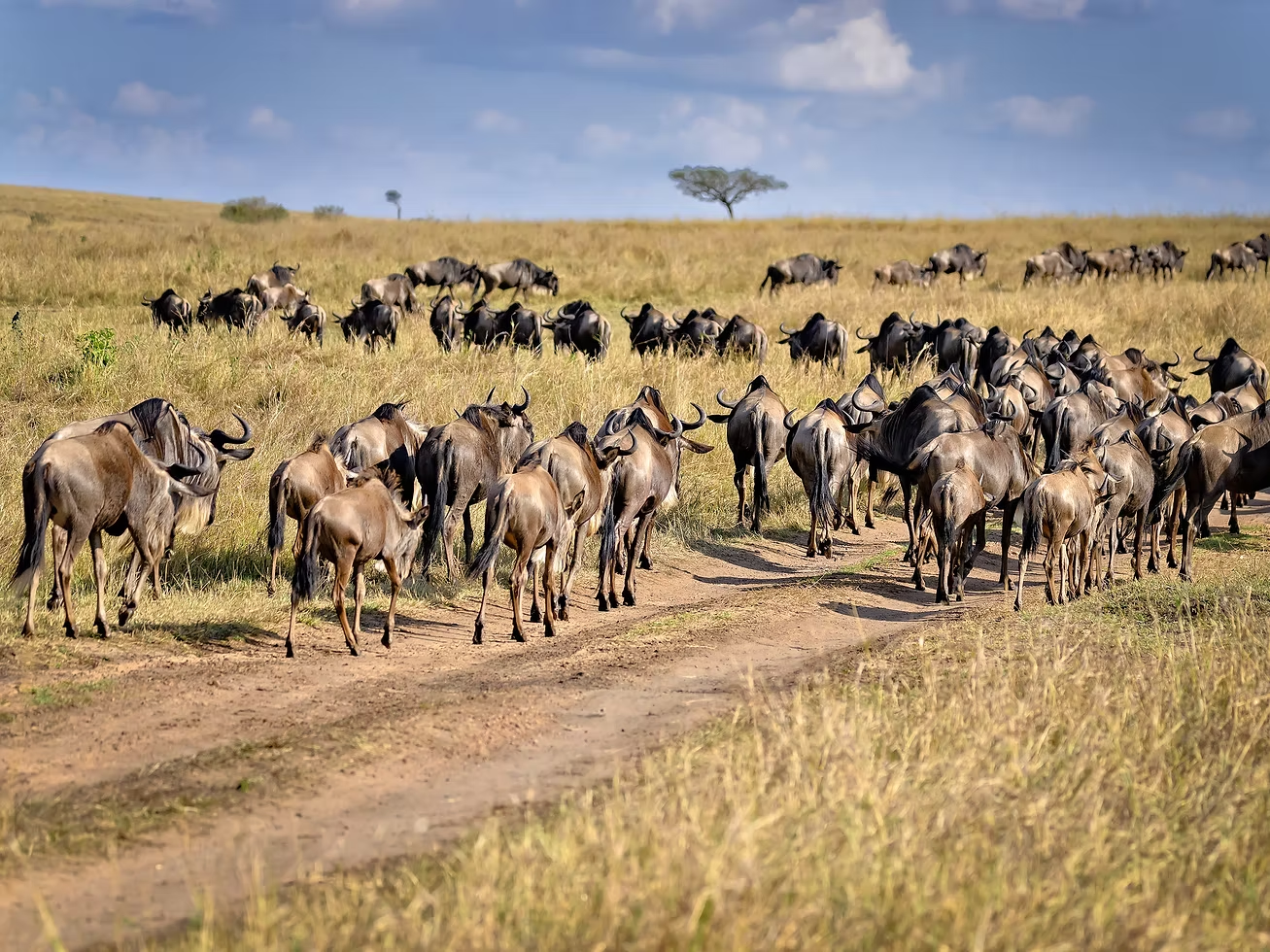
What Animals Participate in the Great Migration?
March 4, 2026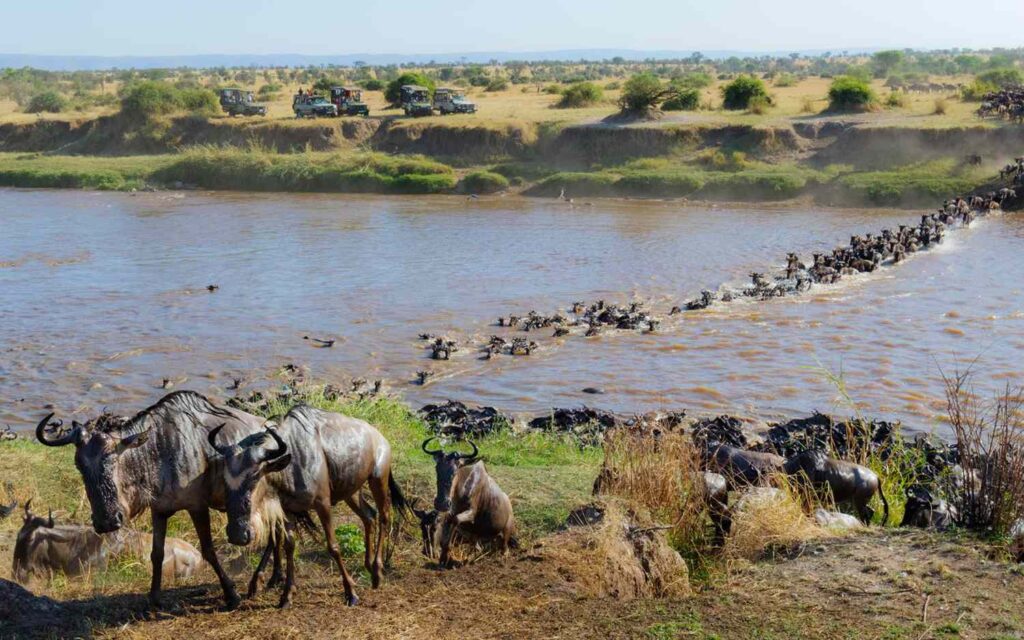
Why Do Animals Migrate Between Kenya and Tanzania?
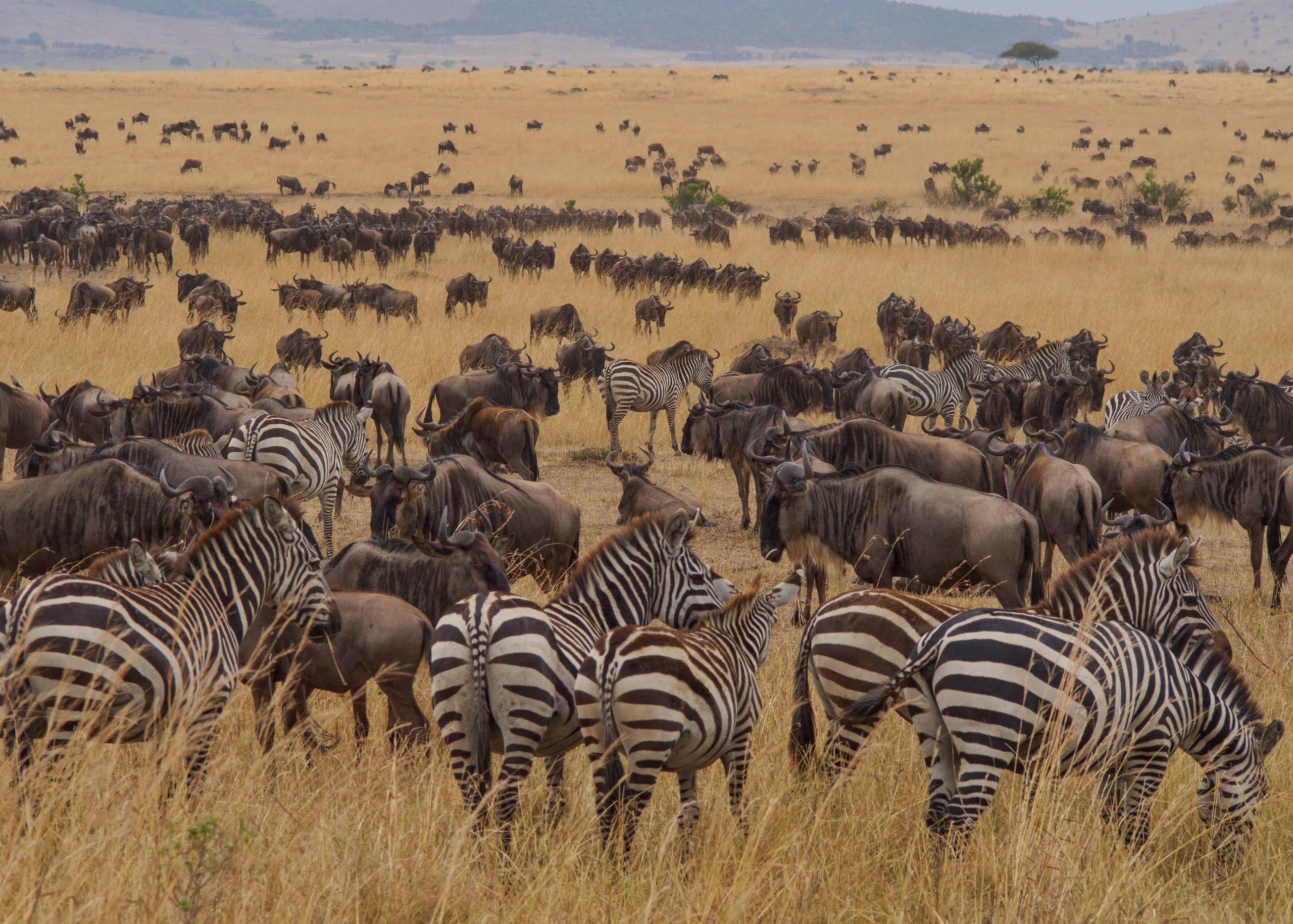
Why do animals migrate between Kenya and Tanzania? This question lies at the heart of one of the most spectacular wildlife phenomena in the world: the Great Migration. Every year, millions of wildebeest, zebras, and gazelles embark on a continuous cyclical journey across the savannahs and grasslands of East Africa, following seasonal rains and fresh grazing areas. For anyone seeking a Kenya Best Safari or Tanzania Safari, understanding the reasons behind this migration enhances the safari experience, offering insight into predator-prey dynamics, ecological interdependence, and the rhythm of African landscapes.
Migration is primarily driven by the search for water and nutrient-rich grass, which is essential for the survival of the herds. During dry months in Tanzania’s Serengeti National Park, animals begin moving northward toward Kenya’s Maasai Mara National Reserve, where greener pastures await. Unlike static wildlife viewing in other parks, this movement creates dynamic interactions among species, including lions, cheetahs, and crocodiles, which track the herds for hunting opportunities. Kenya Birding Safaris and Tanzania Cultural Safari excursions complement these wildlife experiences by highlighting endemic birds, migratory species, and local communities whose livelihoods have coexisted with these migratory patterns for generations.
Reaching migration hotspots is facilitated via domestic flights into Kilimanjaro International Airport, Arusha, or Nairobi for Kenyan arrivals, with additional light aircraft transfers and overland journeys connecting Serengeti and Maasai Mara lodges. Visitors can expect multiple game drives, guided nature walks, and photographic opportunities capturing the raw spectacle of the Great Migration. Costs vary depending on the level of accommodation, duration, and additional cultural or birding experiences, with mid-range safaris averaging $350–$600 per day and luxury packages exceeding $1,000 daily. Partnering with African Fly-in Safaris ensures travelers experience this awe-inspiring phenomenon with professionalism, safety, and a deep appreciation for ecological and cultural significance.
Where Can I See the Great Migration in Tanzania?
How Does Seasonal Rainfall Influence Animal Migration Between Kenya and Tanzania?
Why do animals migrate between Kenya and Tanzania, and what role do seasonal rains play in shaping this journey? Seasonal rainfall patterns determine the availability of water and fresh grazing, which are critical for herbivores such as wildebeest and zebras. During Tanzania’s wet season in the southern Serengeti, calves are born in large numbers, ensuring herd survival, while dry periods prompt movement toward greener regions in Kenya’s Maasai Mara. This cyclical rhythm creates predictable yet dynamic migration patterns, which form the foundation of both Kenya Safaris and Tanzania Safari planning.
Travelers reaching these regions can access the Serengeti through Kilimanjaro International Airport or Arusha, while Maasai Mara arrivals are best facilitated via Nairobi’s Wilson Airport or scenic road transfers. Game drives and guided excursions allow visitors to witness the migration’s seasonal shifts in real time, with professional guides explaining herd behavior, predator strategies, and ecological adaptation. Kenya Birding Safaris are enhanced during these periods, as birds often follow migrating herds, providing additional observational and photographic opportunities. Tanzania Cultural Safari visits during migration periods offer insight into Maasai and other indigenous communities who practice pastoralism in harmony with wildlife movement.
Expect full-day safaris with early mornings and late afternoon drives for optimal wildlife viewing. Costs vary by accommodation style, location, and itinerary length, with park fees and internal transfers included in most Kenya Best Safari packages. The ideal time to observe these migration patterns is between June and October, when herds cross into northern Serengeti and Maasai Mara, providing concentrated wildlife sightings. Choosing African Fly-in Safaris ensures expert timing and logistical coordination, delivering a transformative experience that reveals the intricate relationship between climate, grasslands, and migratory wildlife.
How Do Predator-Prey Dynamics Drive Migration Between Kenya and Tanzania?
Why do animals migrate between Kenya and Tanzania, and how do predator-prey interactions influence their movement? Migration is not solely about seeking water and food; survival instincts and predator pressures play a key role. Lions, cheetahs, hyenas, and crocodiles follow herds along their routes, creating natural checks that influence herd speed, direction, and behavior. This predator-prey interaction makes the Great Migration a living classroom in wildlife ecology and a highlight of any Kenya Best Safari or Tanzania Safari experience.
The Serengeti and Maasai Mara ecosystems are interconnected by this migration corridor, offering optimal locations for observing dramatic river crossings and open-plain encounters. Visitors reach these parks via domestic flights or overland safaris from Arusha or Nairobi, with lodges and tented camps strategically positioned along migration routes for close-up observation. Guided drives and walks offer education about predator hunting techniques, herd defense strategies, and interspecies relationships. Kenya Birding Safaris also gain value, as predators’ presence indirectly influences bird distribution and visibility in the landscape.
Expect long but rewarding days tracking wildlife under the guidance of experienced rangers, with photographic and observational opportunities timed to herd activity. Costs for predator-focused migration experiences depend on luxury level, duration, and season, ranging from mid-range to high-end packages. The peak migration months of July to September coincide with dramatic predator-prey events, providing the most intense safari experiences. Choosing African Fly-in Safaris ensures professional expertise, safety, and cultural enrichment, making your Kenya Safaris and Tanzania Safari journeys both thrilling and informative.
 How Do Geographical Factors Influence Animal Migration Between Kenya and Tanzania?
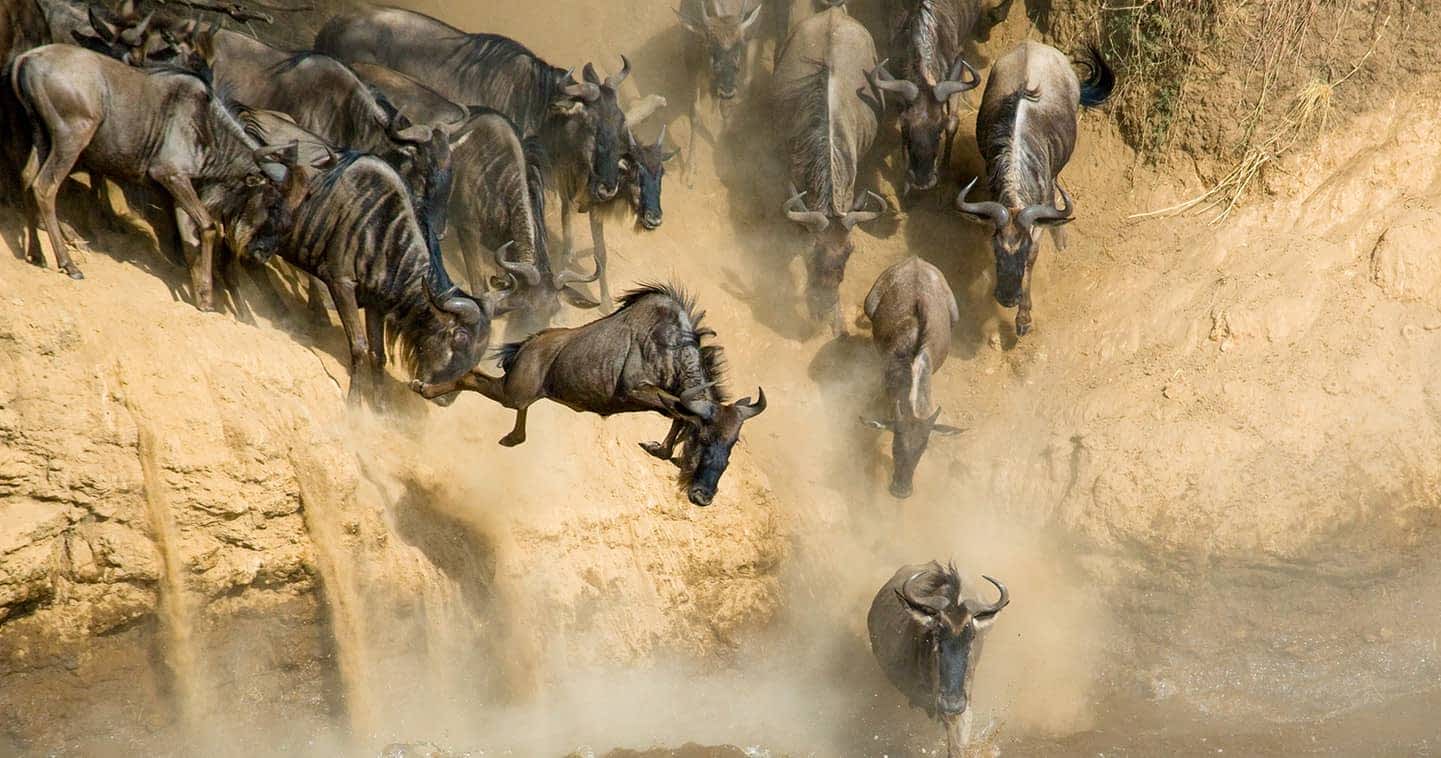
Why do animals migrate between Kenya and Tanzania, and what role does geography play in shaping their path? Physical landscapes, including rivers, plains, woodlands, and volcanic highlands, guide herd movement while influencing predator strategies and grazing patterns. The Mara River in Kenya and western Serengeti corridors are critical natural features, determining herd density and behavior. Understanding geography is essential for travelers seeking an authentic Kenya Best Safari or Tanzania Safari experience during the Great Migration.
Access to key locations like the Serengeti’s northern plains and Maasai Mara’s riverbanks is via airstrips or guided road trips, enabling optimal positioning for witnessing crossings and plains-based interactions. Tanzania Cultural Safari options in nearby communities provide insight into how indigenous populations have adapted to and coexist with these migratory patterns. Kenya Birding Safaris are also enhanced by diverse geographical features, offering opportunities to spot both savannah and woodland species that thrive along migration corridors.
Expect physically engaging yet safe game drives and guided walks, with opportunities to observe herds navigating rivers, valleys, and grasslands. Costs vary according to park fees, accommodation, and internal travel, with mid-range safaris starting around $350 per person per day and luxury experiences exceeding $1,000. Peak viewing times align with herd movements in the dry season from June to October. Selecting African Fly-in Safaris guarantees expertly crafted itineraries that leverage geography for optimal wildlife observation, ensuring every visitor experiences the full majesty of the Great Migration.
Why Choose African Fly-in Safaris to Experience the Great Migration Between Kenya and Tanzania?
Why do animals migrate between Kenya and Tanzania with guidance from a professional safari operator? Partnering with African Fly-in Safaris ensures your Kenya Best Safari and Tanzania Safari is designed with deep ecological knowledge, logistical precision, and a commitment to sustainable tourism. Our team positions travelers strategically along migration routes, timing visits to coincide with river crossings, calving season, and predator-prey interactions.
Expert guides provide comprehensive interpretation, including explanations of migration drivers, ecosystem interdependencies, and cultural insights from Maasai and other pastoralist communities. Transparent pricing, tailored itineraries, and high-quality accommodations ensure comfort and convenience. Kenya Birding Safaris, Tanzania Cultural Safari visits, and multi-destination packages combine to create a holistic experience that goes beyond ordinary wildlife viewing.
Ultimately, why do animals migrate between Kenya and Tanzania? Understanding this movement reveals a complex interplay of climate, food availability, predator pressure, and geographical features, offering travelers a rare glimpse into one of the planet’s most extraordinary natural events. With African Fly-in Safaris, the Great Migration becomes an immersive, expertly guided adventure, blending wildlife spectacle, cultural engagement, and unforgettable East African landscapes into a transformative safari journey.