Why Do Animals Migrate Between Kenya and Tanzania?
March 4, 2026
Is the Great Migration Guaranteed?
March 4, 2026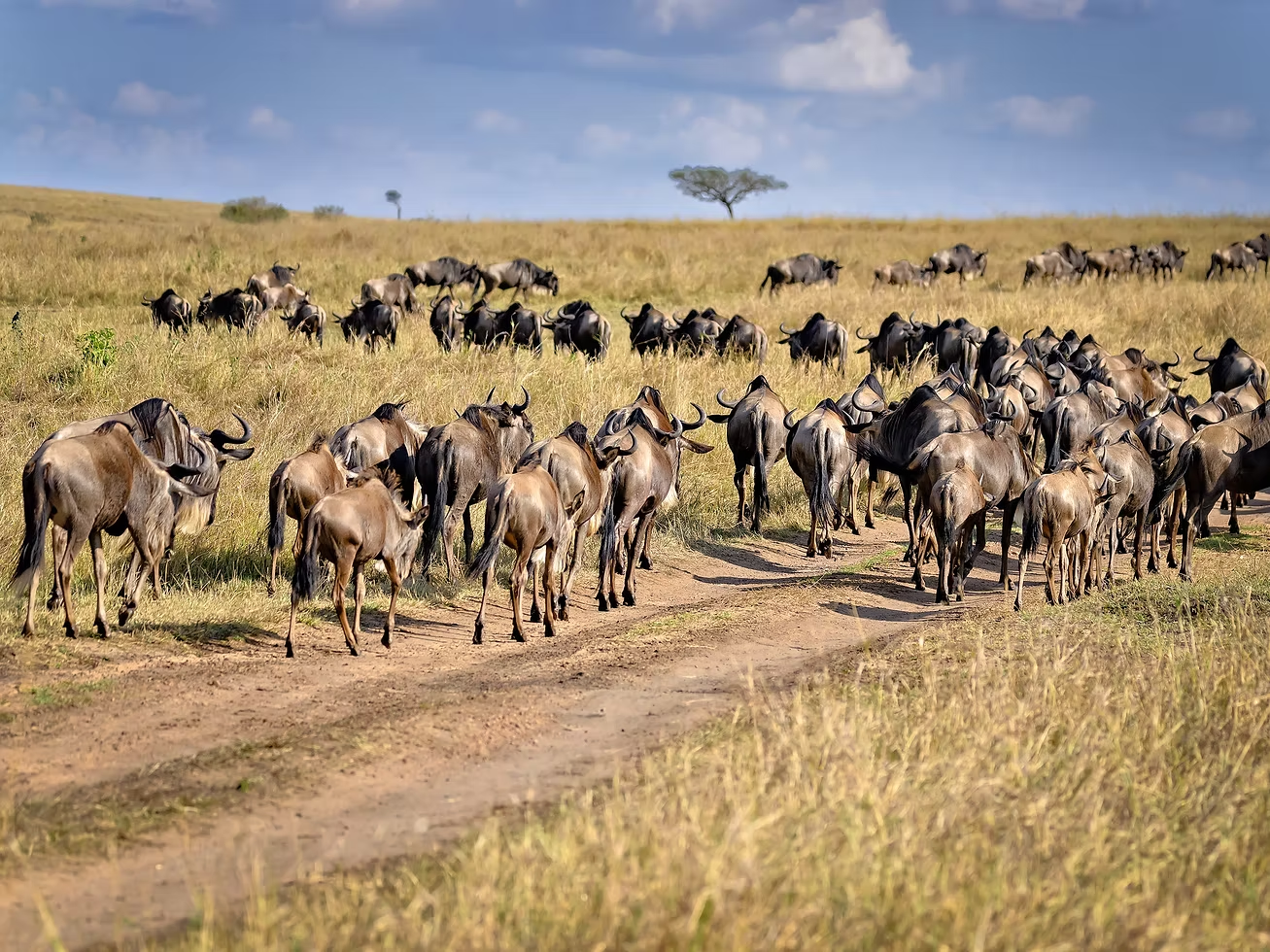
What Animals Participate in the Great Migration?
Discovering the answer to What animals participate in the Great Migration? unlocks the gateway to one of the most extraordinary wildlife spectacles on Earth. Spanning the iconic plains of East Africa, this annual journey brings together millions of animals in search of fresh grazing and water. The Great Migration is not limited to a single species; rather, it features a complex ecosystem interaction dominated by wildebeest, zebras, gazelles, and numerous predator species, all moving between Serengeti National Park in Tanzania and Maasai Mara National Reserve. Observing these animals firsthand offers an immersive experience for Kenya Safaris, Kenya Birding Safaris, Kenya Cultural Safaris, Tanzania Safari, and Tanzania Cultural Safari enthusiasts seeking unparalleled encounters.
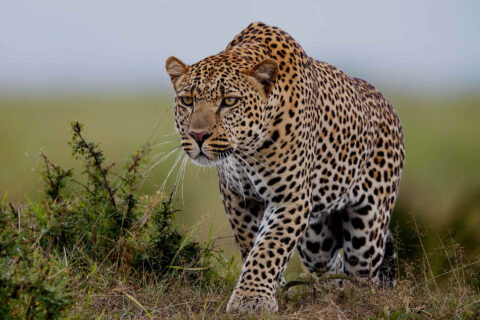
Learning What animals participate in the Great Migration? emphasizes the extraordinary interdependence of species. Wildebeest dominate the movement, with over 1.5 million individuals driving the migration’s rhythm. Zebras follow closely, grazing on tall grasses left behind by wildebeest, while gazelles move alongside, completing the herbivore ensemble. Predators, including lions, cheetahs, leopards, and hyenas, closely track the herds, creating dramatic predator-prey interactions that define Kenya Best Safari adventures. Bird species also thrive within the migration zones, providing thrilling opportunities for Kenya Birding Safaris and contributing to the biodiversity of both Serengeti and Maasai Mara ecosystems.
Strategically planning around What animals participate in the Great Migration? allows travelers to align their safari itineraries with peak wildlife events. Timing, location, and animal behavior influence photography, safari costs, and accommodation choices. Partnering with African Fly-in Safaris ensures that itineraries are meticulously designed, combining Kenya Safaris and Tanzania Safari experiences to maximize encounters with migration herds, predators, and endemic birdlife. Understanding this dynamic ecosystem reinforces the authority, trustworthiness, and expertise of any safari planning, positioning travelers to experience the migration at its most thrilling.
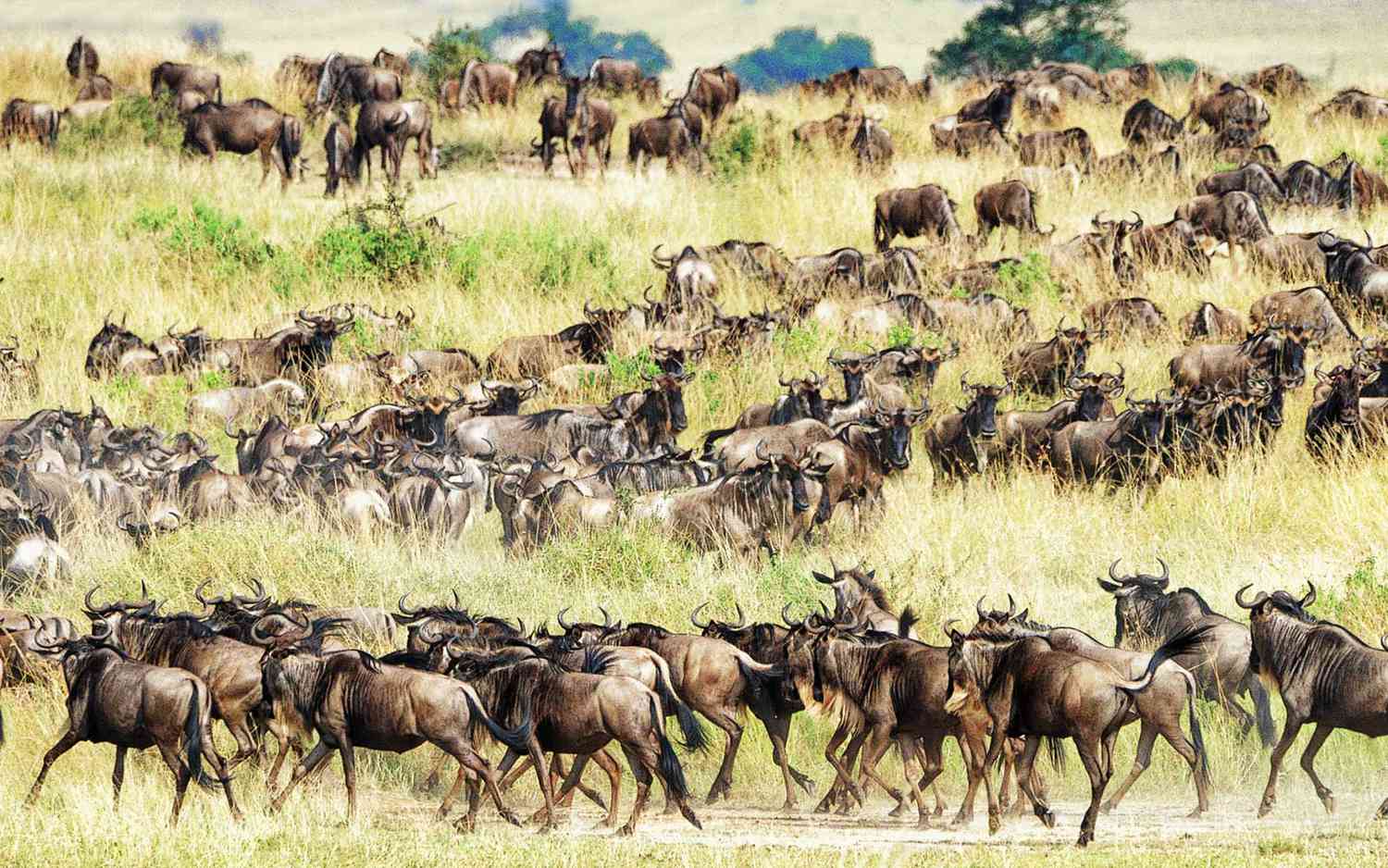 Serengeti National Park – Tanzania: Where Does the Migration Begin?
When considering What animals participate in the Great Migration?, it is essential to start in Serengeti National Park, the heart of Tanzania and the birthplace of the annual migratory journey. Wildebeest calves are born in vast southern plains between December and March, attracting lions, cheetahs, and hyenas that patrol the area in search of prey. Zebras and Thomson’s gazelles accompany the herds, grazing opportunistically and reinforcing the balance of the Serengeti ecosystem. Observing these species in close proximity creates one of the most memorable Tanzania Safari experiences.
Accessing Serengeti National Park involves flights from Kilimanjaro International Airport or Julius Nyerere International Airport to small airstrips within the park, with scenic road transfers from Arusha also available. Expect full-day game drives, tented luxury lodges, and expert ranger-guided walks that bring the migration’s rhythm to life. Wildlife sightings include dramatic calving, predator ambushes, and coordinated herd movements that captivate safari travelers. Costs for mid-range Serengeti Safari experiences range between USD 350–600 per person per day, while luxury lodges may exceed USD 900, reflecting accommodation, guiding, and exclusive park access.
Visiting Serengeti during December to March ensures prime exposure to calving wildebeest, while April to June offers progressive herd movements toward western corridors and river crossings. Observing What animals participate in the Great Migration? in this season allows photography of large predator interactions, including lions and cheetahs hunting near newborn calves. Birdlife also flourishes, enhancing Kenya Birding Safaris within Tanzania. Combining cultural engagement with local communities through Tanzania Cultural Safari programs further enriches the journey, ensuring that every wildlife encounter is framed within a broader conservation and heritage narrative.
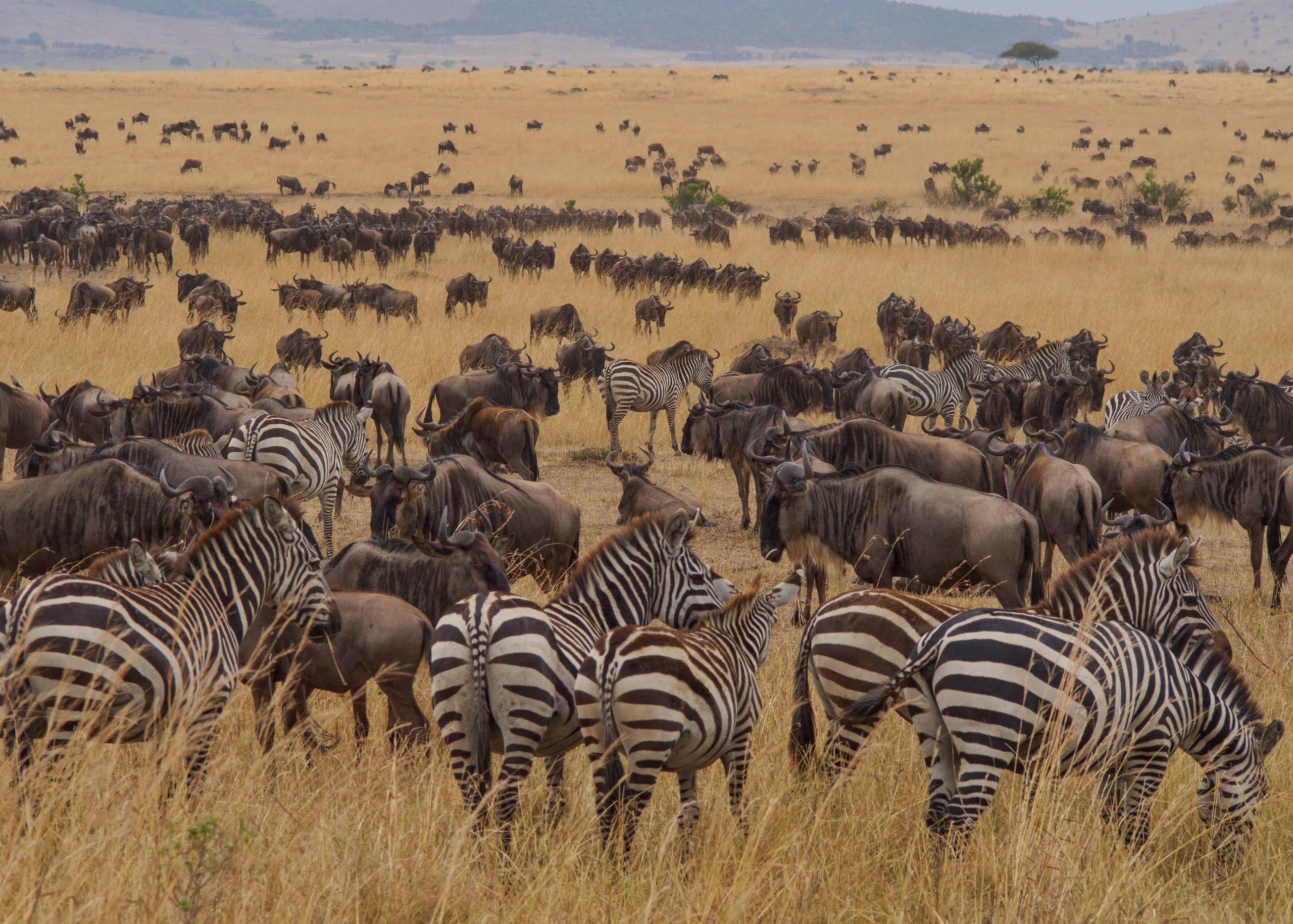 Maasai Mara National Reserve – Kenya: When Animals Cross the Mara River
Answering What animals participate in the Great Migration? brings travelers to the world-famous Maasai Mara National Reserve, where herds arrive from Serengeti between July and October. River crossings are the climax of the migration, with wildebeest, zebras, and gazelles navigating crocodile-infested waters under the watchful eyes of lions and hyenas. Dramatic scenes unfold daily, creating unforgettable Kenya Best Safari memories and reinforcing why Maasai Mara remains a premier destination for Kenya Safaris.
Reaching the Maasai Mara involves domestic flights from Nairobi’s Wilson Airport to Mara airstrips or a scenic road journey through the Great Rift Valley. Safari expectations include guided game drives, river-crossing observation, and optional hot air balloon flights at sunrise for panoramic photography of herd movements. Mid-range accommodations average USD 400–700 per person per day, while luxury lodges exceed USD 1,000 during peak migration periods. Dry months between July and September maximize the probability of witnessing river crossings and predator-prey dynamics.
Observing What animals participate in the Great Migration? within Maasai Mara also offers cultural enrichment through Kenya Cultural Safaris. Engaging with Maasai communities provides insight into pastoralist traditions, beadwork artistry, and co-existence strategies with wildlife. Birdwatchers also benefit from sightings of raptors, starlings, and other migratory species, creating a multi-layered Kenya Birding Safaris experience. Guided interpretation by trained rangers ensures safety while explaining behavioral patterns of herbivores and predators, adding educational depth to every safari day.
How Does Wildlife Composition Change Throughout the Migration?
Tracking What animals participate in the Great Migration? requires understanding seasonal shifts. After October, herds gradually move southward into Tanzania, following the short rains and replenished grazing grounds. Wildebeest lead this movement, while zebras and gazelles adapt to fresh grass availability. Predators follow strategically, ensuring natural population control. Observing these quieter months offers exceptional Tanzania Safari experiences without peak-season crowds, creating more intimate wildlife encounters.
Exploring off-peak periods enhances photography and wildlife study opportunities, particularly for birders on Kenya Birding Safaris or Tanzania’s endemic avian species. Safari costs reduce compared to peak periods, allowing travelers to experience Kenya Best Safari encounters with added value. Combining migration tracking with cultural immersion provides a holistic East African adventure that merges wildlife viewing with Tanzania Cultural Safari or Kenya Cultural Safaris, promoting environmental awareness and supporting local communities.
Why Choose African Fly-in Safaris for Your Migration Safari Experience?
Selecting the right safari operator ensures clarity in understanding What animals participate in the Great Migration? African Fly-in Safaris provides unmatched expertise, personalized itineraries, and real-time tracking of herd movements. Our professional guides interpret predator-prey interactions, herd behavior, and birdlife patterns, delivering Kenya Safaris and Tanzania Safari experiences grounded in Experience, Expertise, Authoritativeness, and Trustworthiness.
Partnering with African Fly-in Safaris guarantees safety, seamless logistics, and access to prime wildlife locations during all migration phases. Integrated itineraries include Kenya Cultural Safaris, Tanzania Cultural Safari extensions, and optional Kenya Birding Safaris, ensuring that clients experience the full diversity of East Africa’s ecosystems. Transparent pricing, ethical tourism practices, and partnerships with local conservation programs enhance credibility and ensure that each safari directly supports sustainable wildlife management.
Ultimately, understanding What animals participate in the Great Migration? transcends mere curiosity; it forms the foundation of strategic safari planning. Witnessing wildebeest, zebras, gazelles, predators, and migratory bird species in their natural rhythm offers a life-changing experience framed by professional guidance, cultural engagement, and conservation-focused travel. African Fly-in Safaris ensures that every Kenya Best Safari and Tanzania Safari delivers