Is the Great Migration Guaranteed?
March 4, 2026
When Is Calving Season for a Great Migration Safari?
March 4, 2026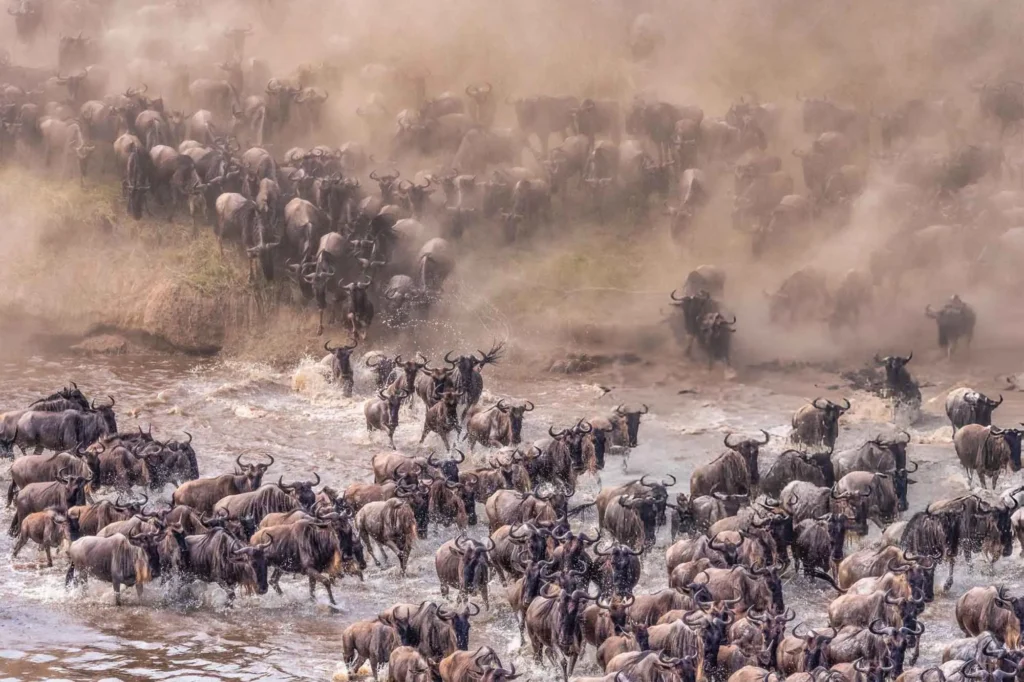
How Long Does the Great Migration Last?
How long does the Great Migration last? This natural phenomenon is not a single event but a year-round, cyclical movement of millions of wildebeest, zebras, and gazelles across the grasslands of Kenya and Tanzania. Travelers seeking a Kenya Best Safari or Tanzania Safari need to understand the timing and duration of the migration to plan their trips strategically. The Great Migration spans the entire year, beginning in Tanzania’s southern Serengeti during the calving season and gradually moving northward toward Kenya’s Maasai Mara, before returning south as rains change. By grasping the migration’s rhythm, travelers can experience peak wildlife density, predator-prey interactions, and the dramatic Mara River crossings that define the ultimate East African safari.
Southern Serengeti is the starting point of the annual migration, with calving season occurring between January and March. Thousands of newborn wildebeest calves take their first steps during this period, providing unforgettable wildlife encounters. From April to June, the herds begin moving northwest through central and western Serengeti, searching for greener pastures and reliable water sources. By July through October, the migration reaches Kenya’s Maasai Mara National Reserve, where river crossings occur and predators track the herds. Kenya Birding Safaris and Tanzania Cultural Safari extensions allow travelers to enrich the experience with endemic bird species and immersive cultural interactions with Maasai communities, creating a holistic Kenya Best Safari journey.
Reaching migration hotspots requires careful planning. Visitors can access the Serengeti through Kilimanjaro International Airport or Arusha, while Maasai Mara arrivals are facilitated via Nairobi’s Wilson Airport or scenic road transfers. Expectations during the Great Migration include guided game drives, expert interpretation, wildlife photography, and opportunities to engage with local communities. Costs depend on accommodation levels, safari duration, and seasonal rates, ranging from mid-range packages of $350–$600 per day to luxury experiences exceeding $1,000 daily. Choosing African Fly-in Safaris ensures expert guidance, strategic itineraries, and authentic encounters for the full duration of the Great Migration, making every safari both safe and unforgettable.
 How Does the Migration Cycle Start in Southern Serengeti?
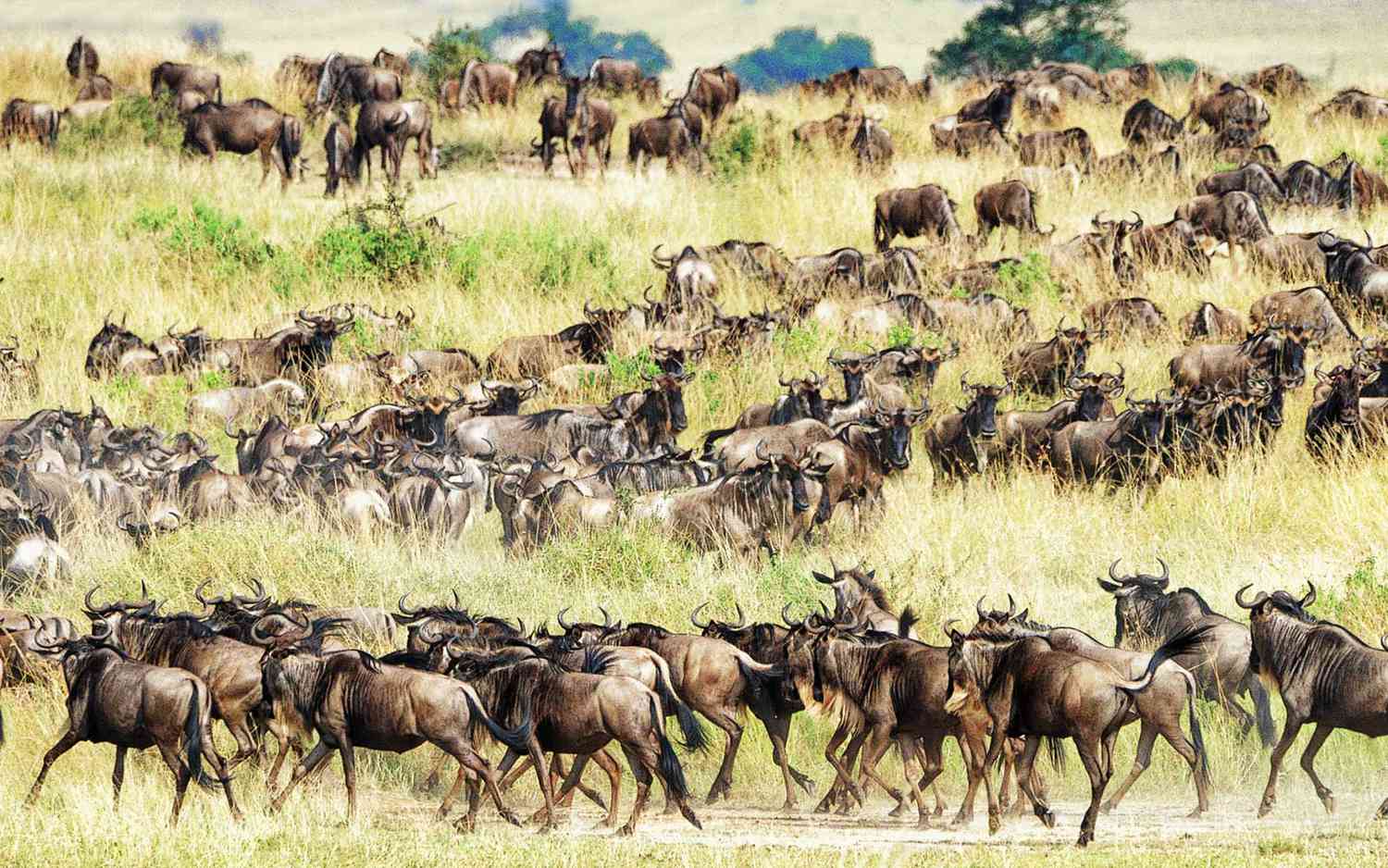
How long does the Great Migration last in Tanzania’s southern Serengeti? The cycle begins in the southern plains between January and March, coinciding with the wet season when fresh grass and water abound. This period is critical for calving, as thousands of wildebeest calves are born within a few weeks, creating a dense herd structure that supports survival against predators like lions and hyenas. For Tanzania Safari travelers, witnessing calving season offers an intimate glimpse into wildlife reproduction, herd dynamics, and predator-prey interactions, which are unparalleled in any other Kenya Safaris destination.
Travelers can reach southern Serengeti via Kilimanjaro International Airport or Arusha, followed by domestic light aircraft transfers to park airstrips. Overland transfers are available for those preferring scenic drives. Expectations include guided full-day game drives, opportunities to photograph newborn calves, and Tanzania Cultural Safari visits to Maasai communities in nearby areas, offering insights into traditional pastoralist life. Costs vary according to accommodation and itinerary type, with luxury lodges commanding premium rates and mid-range tented camps providing more accessible options. Peak calving months are ideal for wildlife photography and close herd observation, marking the official start of the Great Migration’s year-long cycle.
When Do Herds Move Through Central and Western Serengeti?
How long does the Great Migration last as herds move through central and western Serengeti? Between April and June, the wildebeest, zebras, and gazelles gradually move northwest in search of fresh pastures and reliable water. Central Serengeti offers expansive plains for wildlife observation, while western corridors like Grumeti and Ikorongo provide rivers, woodlands, and quieter game-viewing opportunities away from the crowds. This period is crucial for planning Tanzania Safari itineraries that include both game drives and Tanzania Cultural Safari visits.
Access to central and western Serengeti is possible via Arusha flights or road transfers, with lodges and tented camps positioned along migration routes. Expectations include following herd movement under expert guidance, witnessing predator-prey dynamics, and participating in Kenya Birding Safaris where migratory birds often follow the herds. Costs reflect the accommodation tier, park fees, and additional excursions, with mid-range safaris averaging $350–$600 per day. Visiting during this transitional phase allows travelers to experience fewer crowds than peak Maasai Mara months, making it ideal for photographers, conservation enthusiasts, and those seeking a more intimate Kenya Best Safari or Tanzania Safari experience.
How Long Does the Great Migration Last in Maasai Mara, Kenya?
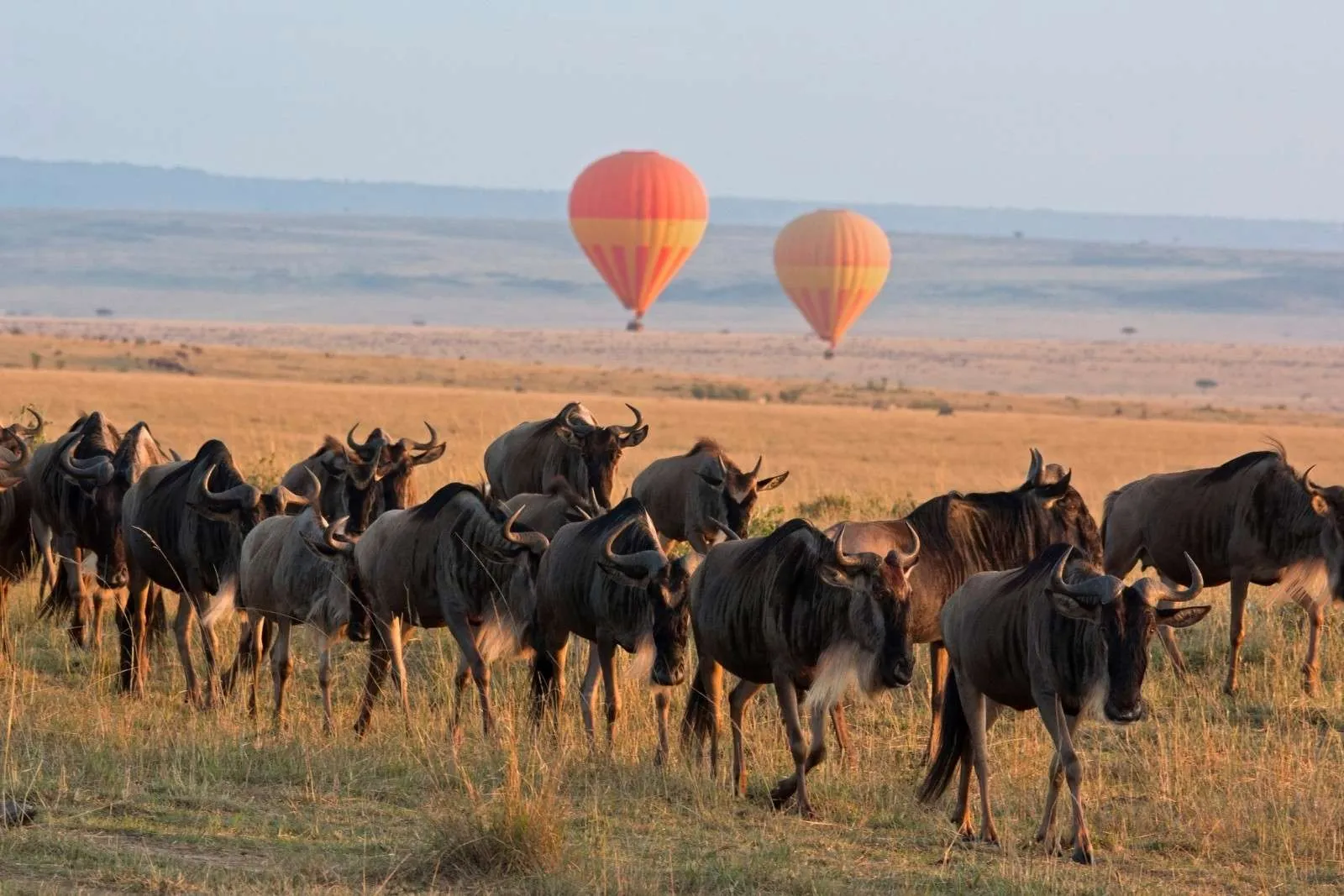
How long does the Great Migration last in Kenya’s Maasai Mara National Reserve? From July to October, the herds reach the northern plains and undertake dramatic river crossings along the Mara River. This period is the highlight of any Kenya Best Safari, as thousands of wildebeest and zebras navigate crocodile-infested waters while lions, leopards, and hyenas hunt along the banks. The duration of peak wildlife activity in the Maasai Mara typically lasts three to four months, though herd movement continues into surrounding conservancies, offering extended opportunities for game drives, Kenya Birding Safaris, and Kenya Cultural Safaris with Maasai communities.
Travelers reach the Maasai Mara via scheduled domestic flights from Nairobi or scenic five- to six-hour road transfers. Expectations include witnessing river crossings, following herd movements across open plains, and learning about Maasai culture through village visits. Costs depend on accommodation standards and duration, ranging from $400–$1,200 per person per night. Peak months between August and September provide optimal wildlife density and photography conditions, making this stage of the Great Migration the most intense and rewarding for safari enthusiasts. African Fly-in Safaris ensures strategic positioning, expert guides, and comfortable accommodations to maximize the migration experience while ensuring safety and authenticity throughout the Kenya Best Safari journey.
Why Choose African Fly-in Safaris to Experience the Full Duration of the Great Migration?
How long does the Great Migration last when you travel with African Fly-in Safaris? Partnering with African Fly-in Safaris allows travelers to experience the entire annual cycle with professional planning, ensuring access to the southern Serengeti calving grounds, central and western corridors, and the northern Maasai Mara river crossings. Expert guides monitor herd movement, timing itineraries for peak wildlife concentration, predator activity, and cultural engagement through Kenya Cultural Safaris and Tanzania Cultural Safari visits.
Expectations include comprehensive wildlife tracking, Kenya Birding Safaris, and immersive photography opportunities. Transparent pricing ensures clarity for accommodation, park fees, and internal flights, while sustainable tourism practices support local communities and conservation efforts. African Fly-in Safaris’ extensive experience positions travelers strategically along migration routes, providing safety, convenience, and a seamless safari experience. Ultimately, understanding how long the Great Migration lasts—from January in southern Serengeti to October in Maasai Mara—empowers travelers to plan an unforgettable Kenya Best Safari and Tanzania Safari that captures the grandeur, drama, and ecological significance of this iconic wildlife phenomenon.