Are Safaris Suitable for Children on a Kenya and Tanzania Safari?
March 4, 2026
Are Park Fees Included in Safari Packages?
March 4, 2026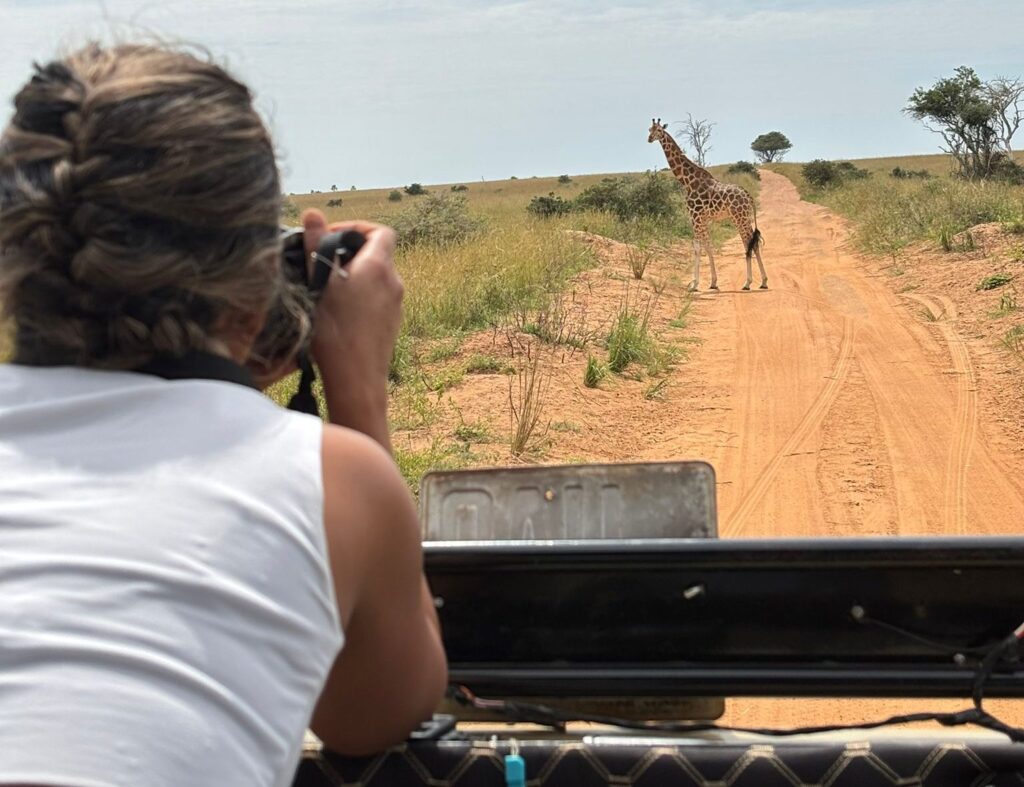
Do I Need Special Camera Equipment for Safaris in Kenya and Tanzania?
Do I need special camera equipment for Safaris in Kenya and Tanzania? Every traveler planning a Kenya Best Safari or Tanzania Best Safari eventually asks this important question. Capturing the dramatic river crossings of the Great Migrations, photographing lions at sunrise in the Maasai Mara, or documenting predator action in the Serengeti requires thoughtful preparation. Although professional gear can enhance results, extraordinary safari photography is possible with the right guidance, proper positioning, and an understanding of wildlife behavior.
Photography during Kenya Safaris and Tanzania Safaris often takes place in open vehicles, across expansive plains, and under changing light conditions. Because wildlife sightings can occur at varying distances, choosing suitable lenses and accessories becomes more important than carrying excessive equipment. Many travelers participating in Kenya Birding Safaris or Tanzania Cultural Safari experiences aim to photograph both animals and cultural interactions, which means versatility is key.
Expect bright daylight conditions during dry seasons, cooler early mornings, and golden sunsets ideal for dramatic wildlife images. Costs for safaris range from $350 per night for mid-range lodges to over $1,300 for luxury camps, making it worthwhile to protect your memories with reliable camera gear. The best time for photography aligns with peak migration periods between July and October in Kenya and June to October or January to March in Tanzania. Choosing African Fly-in Safaris ensures expert positioning during game drives, giving guests the best angles and lighting opportunities without requiring overly complex equipment.
Kenya Safaris: Do I Need Special Camera Equipment for Maasai Mara?
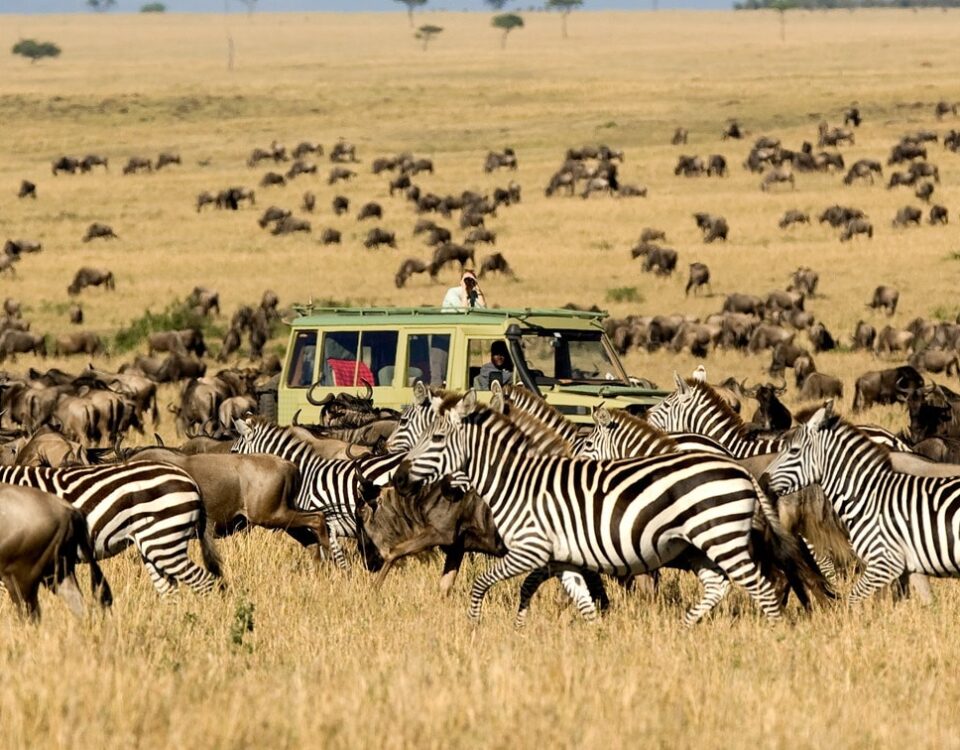
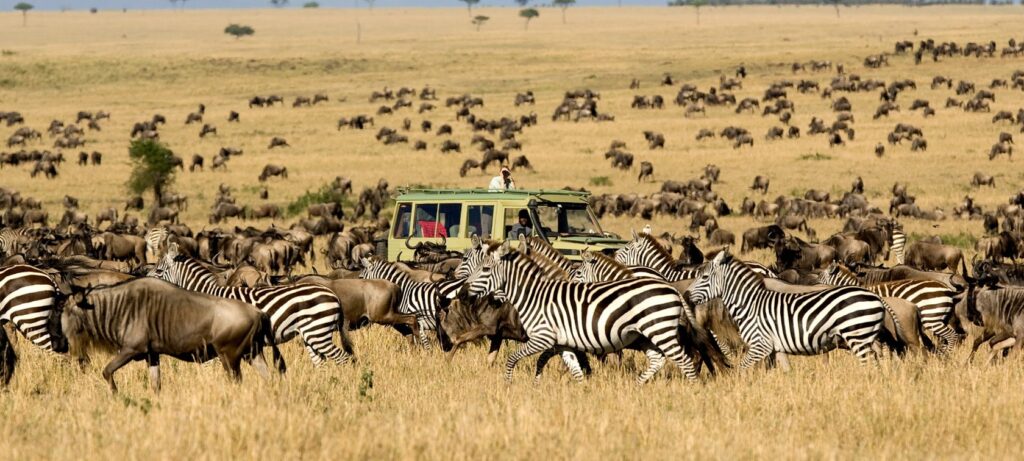
Do I need special camera equipment for Safaris in Kenya and Tanzania when visiting the Maasai Mara? Kenya’s Maasai Mara offers open savannah landscapes, short grass plains, and dramatic wildlife movement during the Great Migrations. Because animals may appear at moderate to far distances, a zoom lens between 200mm and 400mm is highly recommended for capturing detailed wildlife portraits.
Travelers reach Maasai Mara by flying into Nairobi and connecting to bush airstrips or by road transfer through the Great Rift Valley. Expectations during a Kenya Best Safari include early morning and late afternoon game drives when wildlife activity peaks. During Kenya Birding Safaris, smaller and fast-moving species require quicker shutter speeds and longer focal lengths, while Kenya Cultural Safaris benefit from mid-range lenses ideal for portraits and community storytelling.
Professional photographers often carry DSLR or mirrorless cameras with telephoto lenses, yet modern bridge cameras and high-quality compact systems can also produce stunning results. Bean bags for vehicle stabilization are more practical than tripods due to limited space inside safari vehicles. Safari packages typically range between $400 and $1,200 per night depending on accommodation type. July to October provides clear skies and dry conditions, creating ideal lighting. Booking with African Fly-in Safaris guarantees experienced guides who position vehicles strategically for optimal angles, allowing guests to capture remarkable images without unnecessary equipment complexity.
Tanzania Safari: Do I Need Special Camera Equipment for Serengeti Photography?
Do I need special camera equipment for Safaris in Kenya and Tanzania when exploring Serengeti National Park? Tanzania’s Serengeti features vast open plains, scattered acacia trees, and seasonal river systems that attract immense herds during the Great Migrations. Because distances between vehicles and wildlife can vary significantly, telephoto lenses between 300mm and 500mm are particularly effective for detailed animal shots.
Access to Serengeti typically involves flying into Kilimanjaro International Airport or Arusha before boarding domestic bush flights. Expectations during a Tanzania Best Safari include extended game drives, predator tracking, and optional Tanzania Cultural Safari experiences near conservation areas. During calving season from January to March, shorter grasses allow clearer views of newborn wildebeest and hunting predators, making medium zoom lenses equally useful.
Advanced photographers may benefit from dual camera bodies to avoid changing lenses in dusty conditions. Casual travelers can rely on versatile super-zoom cameras for convenience. Dust protection covers and extra batteries are essential due to long hours in the field. Safari costs range from $350 per night for mid-range camps to over $1,300 for luxury lodges. June to October offers crisp air and excellent visibility for wildlife photography. Choosing African Fly-in Safaris ensures expert drivers who understand lighting direction, animal behavior, and safe positioning, maximizing every photographic opportunity in Serengeti’s iconic landscapes.
What Essential Photography Gear Should You Pack for Kenya and Tanzania Safaris?
Do I need special camera equipment for Safaris in Kenya and Tanzania beyond a standard camera? While professional gear enhances flexibility, essential items make a significant difference regardless of camera type. A telephoto lens allows close-up wildlife shots, while a wide-angle lens captures sweeping savannah landscapes and dramatic skies. Extra memory cards and spare batteries ensure uninterrupted shooting during long game drives.
Polarizing filters help reduce glare during bright midday conditions. Protective lens cloths remove dust common in dry seasons. Lightweight bean bags stabilize cameras against vehicle rails. Comfortable camera straps reduce fatigue during extended outings.
Expect limited charging opportunities during full-day excursions, making portable power banks useful. Anticipate wildlife appearing unexpectedly, requiring quick reaction times and pre-adjusted camera settings. Costs for safari experiences remain substantial, reinforcing the value of properly preparing to document your journey. African Fly-in Safaris provides pre-departure photography advice tailored to your itinerary, ensuring readiness for Kenya Best Safari or Tanzania Best Safari adventures focused on wildlife and Great Migrations imagery.
Why Choose African Fly-in Safaris for a Photography-Focused Safari Experience?
Do I need special camera equipment for Safaris in Kenya and Tanzania if I book with African Fly-in Safaris? While quality gear enhances images, expert guidance often matters more than expensive equipment. Experience gained from years of operating Kenya Safaris and Tanzania Safaris allows our guides to anticipate animal movement and position vehicles accordingly. Expertise in seasonal migration timing ensures clients are present during peak action. Professional coordination guarantees access to prime wildlife zones at optimal hours.
Personalized safari planning accommodates photography goals, whether focusing on Kenya Birding Safaris, predator interactions, or Tanzania Cultural Safari storytelling. Transparent pricing includes park fees, professional guiding, and comfortable accommodations. Strategic scheduling maximizes golden hour lighting opportunities.
Confidence in your safari arrangements allows full concentration on creative composition and wildlife appreciation. Trust in African Fly-in Safaris ensures your Kenya Best Safari or Tanzania Best Safari delivers exceptional photographic moments shaped by local knowledge, ethical wildlife viewing, and unwavering commitment to excellence. Choosing African Fly-in Safaris transforms your journey into more than a safari; it becomes a professionally guided photography expedition through East Africa’s most iconic landscapes during the breathtaking Great Migrations.