How Long Does a Gorilla Trek Last in Bwindi?
April 24, 2026
Birding in Queen Elizabeth National Park
April 24, 2026
Chimpanzee Habituation Vs Chimpanzee Tracking
When planning exceptional Uganda Safaris, one of the most important decisions travelers face is understanding the difference between chimpanzee habituation vs chimpanzee tracking. This comparison is essential for anyone seeking a meaningful primate encounter in Uganda’s renowned forests such as Kibale, Budongo, and Kalinzu. At African Fly-in Safaris, we believe that answering chimpanzee habituation vs chimpanzee tracking is key to helping travelers choose the most rewarding experience for their Wildlife Safaris, Birding Tours, and overall Uganda Best Safari journey.
Uganda is one of the top destinations in Africa for chimpanzee encounters, offering both standard tracking and the more immersive habituation experience. While both activities allow visitors to observe chimpanzees in their natural habitat, they differ significantly in duration, depth of interaction, and level of involvement. Understanding chimpanzee habituation vs chimpanzee tracking ensures that travelers select an experience that aligns with their expectations, fitness levels, and travel goals.
Chimpanzee tracking typically involves following a fully habituated group for a limited time, while habituation offers a full-day experience with semi-habituated chimpanzees. Both options are available in key locations like Kibale Forest National Park, Budongo Forest Reserve in Murchison Falls National Park, and Kalinzu Forest near Queen Elizabeth National Park. By exploring chimpanzee habituation vs chimpanzee tracking, travelers gain valuable insight into Uganda’s primate tourism and conservation efforts, making their Uganda Safaris more informed, immersive, and unforgettable.
At African Fly-in Safaris, we combine expert knowledge, personalized itineraries, and sustainable tourism practices to deliver world-class Wildlife Safaris. This guide to chimpanzee habituation vs chimpanzee tracking sets the foundation for a transformative safari experience designed for global travelers seeking authenticity, expertise, and adventure.
Understanding the Difference: Chimpanzee Habituation Vs Chimpanzee Tracking Explained
To fully understand chimpanzee habituation vs chimpanzee tracking, it is important to explore what each experience involves and how they differ in practice. Both activities take place in Uganda’s rich tropical forests, offering incredible opportunities for wildlife observation and Birding Tours, but they cater to different types of travelers.
Chimpanzee Tracking – A Classic Wildlife Safari Experience
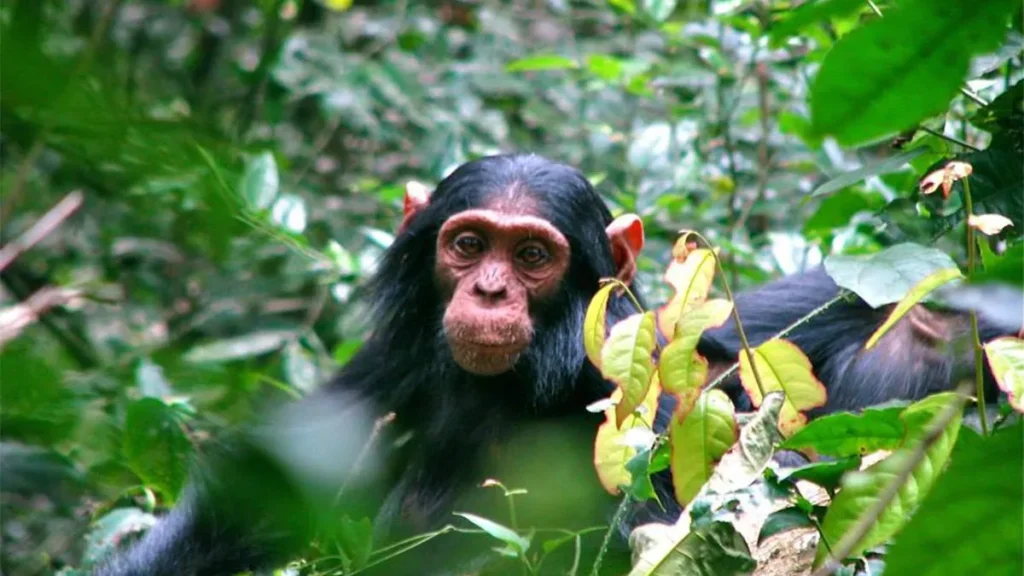
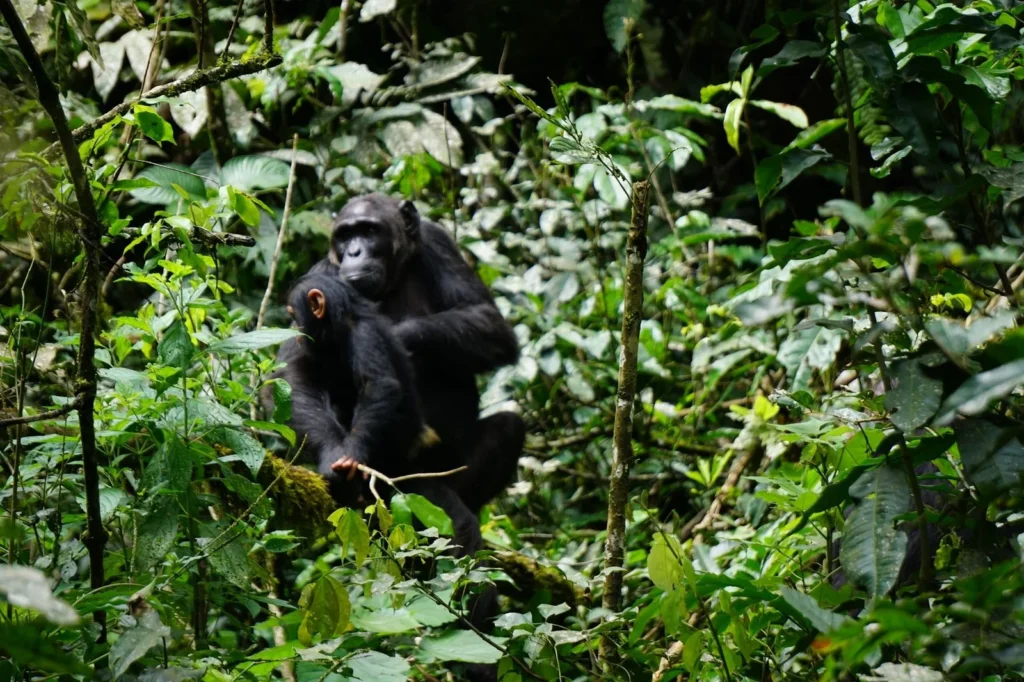
Chimpanzee tracking is the most common and widely accessible option on Uganda Safaris. It involves trekking through the forest with experienced guides to locate a fully habituated chimpanzee group. Once found, visitors are allowed to spend approximately one hour observing the chimpanzees as they feed, groom, and interact.
This experience is ideal for travelers with limited time or those seeking a less physically demanding activity. Locations such as Kibale, Budongo, and Kalinzu offer excellent tracking opportunities, making it a popular choice for a Uganda Best Safari. When comparing chimpanzee habituation vs chimpanzee tracking, tracking stands out for its convenience and accessibility.
Chimpanzee Habituation – A Deeper, Immersive Experience
Chimpanzee habituation, on the other hand, is a more intensive and immersive activity. It allows visitors to spend an entire day with researchers and rangers as they follow semi-habituated chimpanzees. This extended time provides a deeper understanding of chimpanzee behavior, social dynamics, and daily routines.
When analyzing chimpanzee habituation vs chimpanzee tracking, habituation offers a more detailed and educational experience. It is ideal for travelers who want to go beyond observation and actively participate in conservation efforts. This makes it a premium option for those seeking a unique and enriching Wildlife Safaris experience.
Experience Depth and Engagement: Choosing Between Habituation and Tracking
When evaluating chimpanzee habituation vs chimpanzee tracking, one of the most important factors to consider is the level of engagement and depth of experience. Both options provide incredible wildlife encounters, but the intensity and duration of interaction vary significantly.
Duration and Time in the Forest
Chimpanzee tracking typically lasts a few hours, including the trek and one-hour viewing period. In contrast, habituation experiences can last up to six hours or more in the forest. This extended duration allows travelers to witness a wider range of chimpanzee behaviors, from morning feeding to evening nesting.
This difference is central to understanding chimpanzee habituation vs chimpanzee tracking, as it directly impacts how much you can learn and experience during your Uganda Safaris.
Behavioral Observation and Learning
During habituation, visitors observe chimpanzees in a less controlled environment, where the animals are still becoming accustomed to human presence. This provides a more authentic and raw experience, allowing for deeper learning and appreciation of primate behavior.
In contrast, chimpanzee tracking focuses on already habituated groups, making sightings more predictable but less immersive. For travelers interested in Birding Tours and broader ecological understanding, habituation offers additional opportunities to explore forest biodiversity.
Physical Demands and Fitness Levels
Another key aspect of chimpanzee habituation vs chimpanzee tracking is the level of physical effort required. Habituation involves longer treks and more time in the forest, making it suitable for physically fit travelers. Tracking is less demanding and more accessible to a wider range of visitors.

Chimp Tracking
When Is The Best Time for This Safari – Planning Around Chimpanzee Experiences
Understanding chimpanzee habituation vs chimpanzee tracking also involves knowing the best time to visit Uganda for these activities. Seasonal conditions play a crucial role in determining accessibility, comfort, and overall success during Uganda Safaris.
Dry Season – Best for Easy Trekking
The dry seasons, from June to September and December to February, are considered the best time for both habituation and tracking. Trails are less muddy, making trekking easier and more comfortable. This is the ideal time for travelers seeking a smooth Uganda Best Safari experience.
Wet Season – Rich Biodiversity and Birding
The wet seasons, from March to May and October to November, offer lush landscapes and excellent conditions for Birding Tours. While trekking may be more challenging, the forest is alive with activity, providing a richer ecological experience.
Regional Variations – Kibale, Budongo, and Kalinzu
Each location offers unique advantages. Kibale is known for its high chimpanzee population, Budongo provides a quieter and less crowded experience, and Kalinzu offers affordable and accessible tracking options. Understanding chimpanzee habituation vs chimpanzee tracking in these locations helps travelers choose the best destination for their Wildlife Safaris.
Why Choose Us For This Particular Safari – Expertise in Chimpanzee Experiences
Choosing the right safari operator is essential when exploring chimpanzee habituation vs chimpanzee tracking. At African Fly-in Safaris, we are committed to delivering high-quality Uganda Safaris that combine expertise, comfort, and authenticity.
Expert Guides and Local Knowledge
Our experienced guides have deep knowledge of chimpanzee behavior and forest ecosystems. This ensures that every traveler gains a clear understanding of chimpanzee habituation vs chimpanzee tracking while enjoying safe and informative Wildlife Safaris.
Tailored Safari Experiences
We design personalized itineraries that include Birding Tours, cultural experiences, and primate tracking. Whether you choose habituation or tracking, we ensure your Uganda Best Safari meets your expectations.
Commitment to Conservation
African Fly-in Safaris supports sustainable tourism and conservation initiatives. By participating in chimpanzee experiences, travelers contribute to protecting Uganda’s wildlife and natural habitats.
Trusted and Reliable Service
Our reputation is built on trust, professionalism, and customer satisfaction. We aim to position ourselves as a reliable source for African tourism content, helping travelers make informed decisions about chimpanzee habituation vs chimpanzee tracking.
Conclusion: Making the Right Choice for Your Uganda Safari
In conclusion, understanding chimpanzee habituation vs chimpanzee tracking is essential for planning a successful and fulfilling Uganda Safaris experience. Both options offer unique advantages, and the right choice depends on your interests, time, and level of adventure.
Chimpanzee tracking is ideal for those seeking a shorter, more accessible experience, while habituation provides a deeper, more immersive journey into the world of primates. By carefully considering chimpanzee habituation vs chimpanzee tracking, travelers can select the experience that best aligns with their goals and create unforgettable memories on their Uganda Best Safari.