
Katavi National Park as the Ultimate Untamed Tanzania Safari Destination
Katavi National Park represents the raw, unfiltered essence of Tanzania Safaris, offering a rare opportunity to experience Africa as it existed before mass tourism. Located in western Tanzania, Katavi National Park remains one of the country’s least visited yet most wildlife-rich protected areas, making it a flagship destination for travelers seeking exclusivity, authenticity, and deep immersion. Unlike crowded northern circuits, Katavi National Park delivers vast floodplains, seasonal lakes, and dramatic wildlife concentrations without human congestion, reinforcing its status among Tanzania Best Safaris for seasoned explorers. Established in 1974, Katavi National Park was gazetted to protect the ecological integrity of the Katuma River system and surrounding plains, which sustain extraordinary populations of large mammals. Through expertly guided journeys curated by African Fly-in Safaris, Katavi National Park becomes more than a destination; it transforms into a living classroom where Tanzania Wildlife Safaris unfold in their most primal form. Designed for a global audience seeking authoritative Africa tourism insights, this Katavi National Park safari overview reflects Experience, Expertise, Authoritativeness, and Trustworthiness, positioning African Fly-in Safaris as a reliable source for in-depth, professional safari knowledge.
Majestic Landscapes and Untouched Wilderness of Katavi National Park
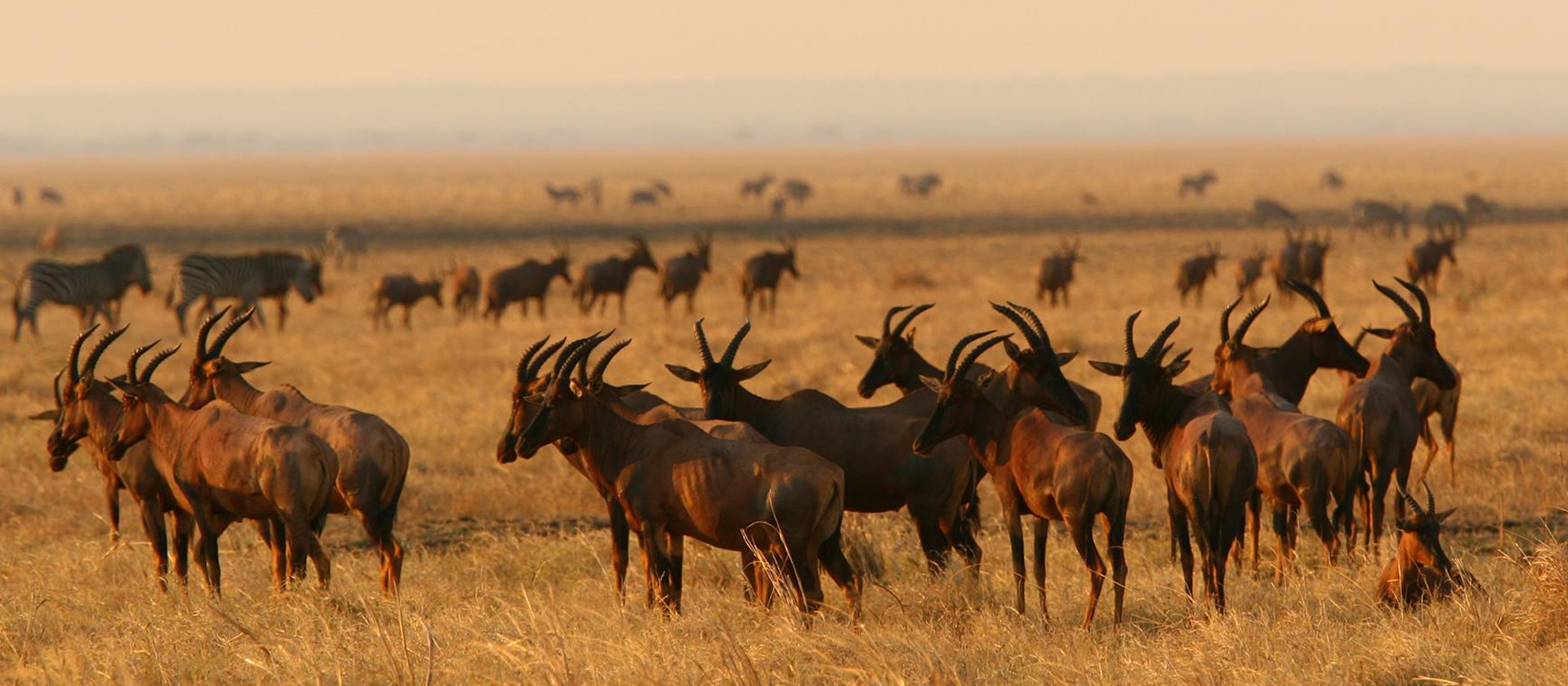
Stretching across more than 4,400 square kilometers, Katavi National Park showcases immense landscapes that define the spirit of remote Tanzania Safaris. Vast seasonal floodplains dominate the scenery, transforming dramatically between dry and wet seasons, while palm-fringed rivers carve lifelines through otherwise arid terrain. Katavi National Park features Lake Katavi and Lake Chada as central ecological anchors, drawing wildlife in astonishing numbers during the dry months. Towering skies and endless horizons create a cinematic backdrop rarely matched elsewhere in Tanzania Wildlife Safaris. Because infrastructure remains intentionally minimal, Katavi National Park preserves a sense of isolation that appeals to travelers seeking meaningful connection with nature rather than convenience-driven tourism. Geological stability and fertile soils contribute to productive grasslands that sustain herbivore migrations within the park’s boundaries. Through this pristine environment, Katavi National Park offers majestic wonders defined not by spectacle alone, but by silence, scale, and authenticity. Carefully planned safaris with African Fly-in Safaris ensure that guests experience these landscapes responsibly, reinforcing conservation values that align with global sustainability standards.
Wildlife Density and Iconic Encounters in Katavi National Park
Renowned for hosting some of Africa’s largest hippo and buffalo concentrations, Katavi National Park delivers wildlife encounters that elevate Tanzania Wildlife Safaris to extraordinary levels. During the dry season, thousands of buffalo converge along shrinking water sources, while massive hippo pods crowd muddy riverbanks in scenes of intense competition and survival. Katavi National Park also supports healthy populations of lion, leopard, and spotted hyena, benefiting from abundant prey and minimal human disturbance. Elephant herds traverse open plains and woodland corridors, often appearing in impressive numbers that rival more famous parks. Unlike heavily trafficked destinations, Katavi National Park allows extended sightings without vehicle queues, enhancing photographic and observational experiences. Through expert guiding, African Fly-in Safaris interprets animal behavior within ecological and seasonal contexts, deepening visitor understanding of Tanzania’s natural systems. This combination of density, diversity, and solitude positions Katavi National Park among Tanzania Best Safaris for travelers prioritizing substance over spectacle.
Tanzania Birding Safaris in the Wetlands of Katavi National Park
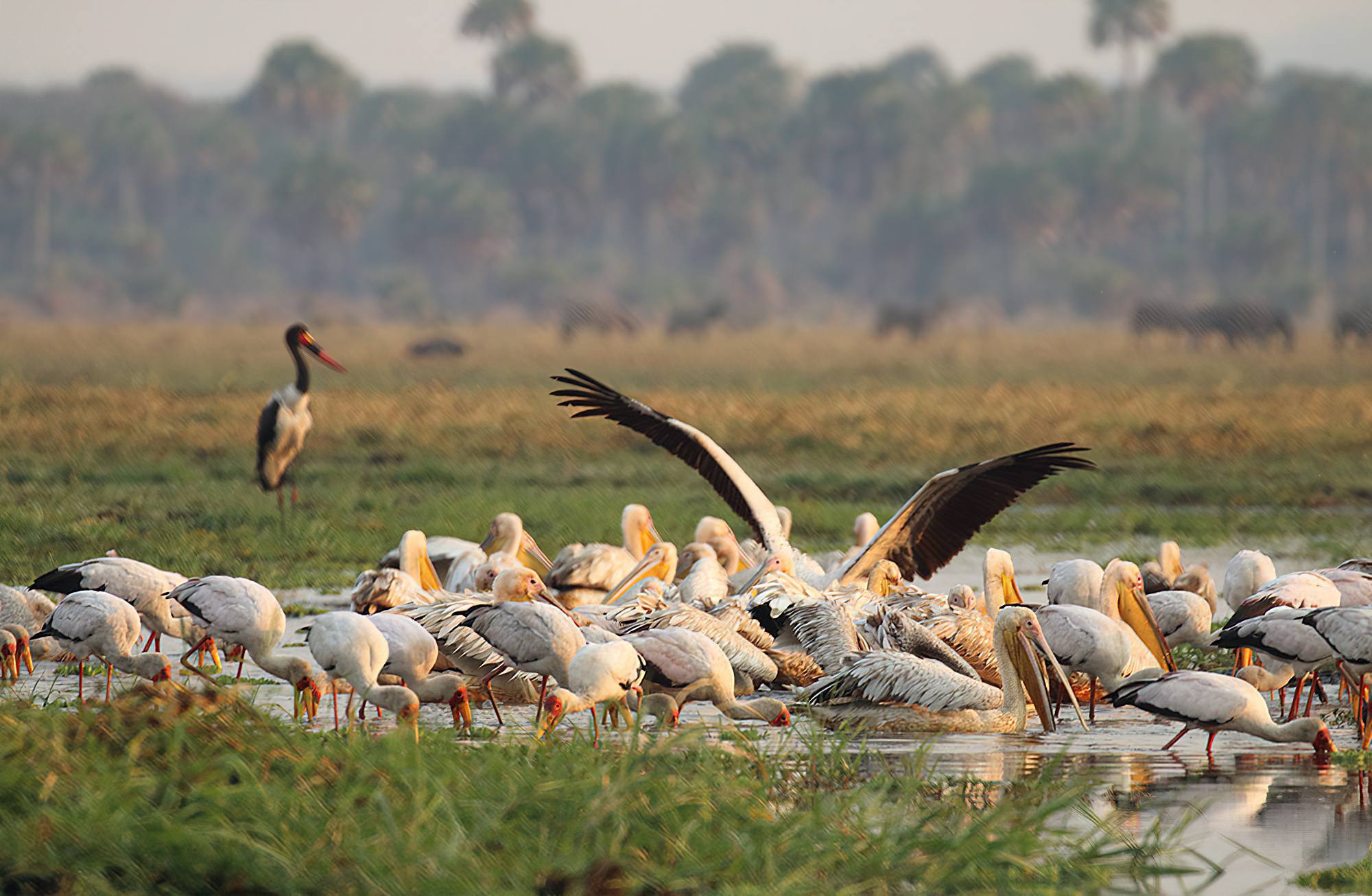
Wetland ecosystems within Katavi National Park create exceptional opportunities for Tanzania Birding Safaris, attracting both resident and migratory species in remarkable variety. Seasonal floodplains and riverine forests support over 400 bird species, ranging from stately saddle-billed storks to vibrant bee-eaters. Katavi National Park’s lakes host large populations of pelicans, herons, and African openbill storks, while raptors patrol open skies above grasslands. Because birdlife responds dynamically to rainfall patterns, each visit to Katavi National Park offers unique avian highlights. Specialized birding-focused safaris arranged by African Fly-in Safaris provide expert identification guidance and flexible pacing tailored to enthusiasts. Through these experiences, Katavi National Park strengthens Tanzania’s reputation as a premier birding destination, complementing traditional Tanzania Wildlife Safaris with rich ecological depth.
Cultural Dimensions and Community Connections Around Katavi National Park
Beyond wildlife, Katavi National Park safaris can incorporate meaningful Tanzania Cultural Safaris that connect visitors with local communities living near the park boundaries. Indigenous groups such as the Pimbwe and Sukuma maintain traditional livelihoods rooted in agriculture, fishing, and artisanal crafts shaped by the Katuma ecosystem. Cultural visits organized alongside Katavi National Park safaris emphasize respectful exchange, storytelling, and mutual learning rather than staged performances. Through guided interactions, travelers gain insight into how local cultures coexist with wildlife conservation initiatives linked to Katavi National Park. Although the Maasai People are more prominent in northern Tanzania, understanding Tanzania’s broader cultural mosaic enriches appreciation of national heritage across safari regions. By integrating community engagement responsibly, African Fly-in Safaris ensures that Katavi National Park experiences support social sustainability while deepening traveler perspective.
Tanzania Chimpanzee Safaris and Western Tanzania Safari Synergy
Strategically located within western Tanzania, Katavi National Park pairs exceptionally well with Tanzania Chimpanzee Safaris along Lake Tanganyika. Nearby forested habitats support wild chimpanzee populations, offering primate tracking experiences that contrast beautifully with Katavi National Park’s open plains. This combination allows travelers to explore diverse ecosystems within a single journey, enhancing the educational value of Tanzania Safaris. African Fly-in Safaris expertly coordinates logistics between Katavi National Park and chimpanzee trekking areas, ensuring smooth transitions and balanced itineraries. Such safari synergies appeal to experienced travelers seeking depth, diversity, and rare wildlife encounters beyond mainstream circuits.
Combining Katavi National Park with Uganda Gorilla Trekking Adventures
For travelers seeking the ultimate African wildlife immersion, Katavi National Park can be combined with Uganda Gorilla Trekking to create a cross-border conservation journey. While Katavi National Park showcases large mammal dynamics in expansive savannahs, Uganda’s montane forests introduce intimate encounters with endangered mountain gorillas. This combination enhances Tanzania Safaris by adding primate conservation narratives and habitat diversity. Through seamless planning by African Fly-in Safaris, guests experience both destinations efficiently, reinforcing East Africa’s global appeal for responsible, high-impact tourism.
Planning Recommendations for a Katavi National Park Safari
Optimal planning ensures that Katavi National Park delivers its full potential as a premier Tanzania Safari destination. Dry season travel from June to October offers peak wildlife concentrations and easier access, while the green season reveals lush landscapes and birding highlights. Because Katavi National Park is remote, charter flights and limited lodge options require advance booking, making expert guidance essential. African Fly-in Safaris recommends a minimum stay of three to four nights to fully appreciate the park’s scale and rhythm. Packing considerations include lightweight clothing, sun protection, and photography equipment suitable for expansive landscapes. Thoughtful preparation transforms Katavi National Park from a challenging destination into a profoundly rewarding safari experience.
When is the best time to visit Katavi National Park for Tanzania Safaris?
Dry months between June and October provide the best wildlife viewing in Katavi National Park, as animals congregate around diminishing water sources, intensifying predator-prey interactions and photographic opportunities.
How much does a Katavi National Park safari cost with African Fly-in Safaris?
Pricing for Katavi National Park safaris varies based on season, accommodation style, and duration, with costs generally higher than northern parks due to remoteness and charter logistics; customized packages ensure transparency and value.
Conclusion: Katavi National Park as a Benchmark for Authentic Tanzania Safaris
Katavi National Park stands as a benchmark for travelers seeking meaningful, uncrowded, and conservation-driven Tanzania Safaris. Through its immense wildlife populations, untouched landscapes, and cultural context, Katavi National Park embodies the values of Experience, Expertise, Authoritativeness, and Trustworthiness. Crafted by African Fly-in Safaris, this in-depth overview positions Katavi National Park as a destination of global significance, inspiring confident exploration and reinforcing Tanzania’s standing within the Africa Tourism Industry.