
Ngorongoro Conservation Crater
Ngorongoro Conservation Crater represents one of Africa’s most extraordinary safari destinations, offering a rare blend of wildlife concentration, dramatic scenery, and living cultural heritage within a single protected landscape. Recognized as a UNESCO World Heritage Site and officially established in 1959, this unique conservation area in northern Tanzania was designed to protect wildlife while allowing indigenous communities to continue traditional pastoral life. Unlike conventional national parks, Ngorongoro Conservation Crater operates under a multiple-land-use model where conservation, tourism, and culture coexist in harmony. Situated within the greater Ngorongoro Conservation Area, the crater itself is the world’s largest intact volcanic caldera, sheltering an astonishing density of wildlife throughout the year. Carefully crafted Tanzania Safaris here prioritize immersive experiences supported by expert guiding, responsible tourism principles, and seamless logistics. International travelers value African Fly-in Safaris: Ngorongoro Conservation Crater for its accessibility, biodiversity, and authenticity, making it a cornerstone of Tanzania Best Safaris. Professional interpretation, safety standards, and conservation awareness define every journey, positioning this destination as a trusted authority in African tourism. Through African Fly-in Safaris: Ngorongoro Conservation Crater, visitors gain meaningful insight into Tanzania Wildlife Safaris that balance natural wonder with cultural respect, creating experiences that resonate far beyond the journey itself.
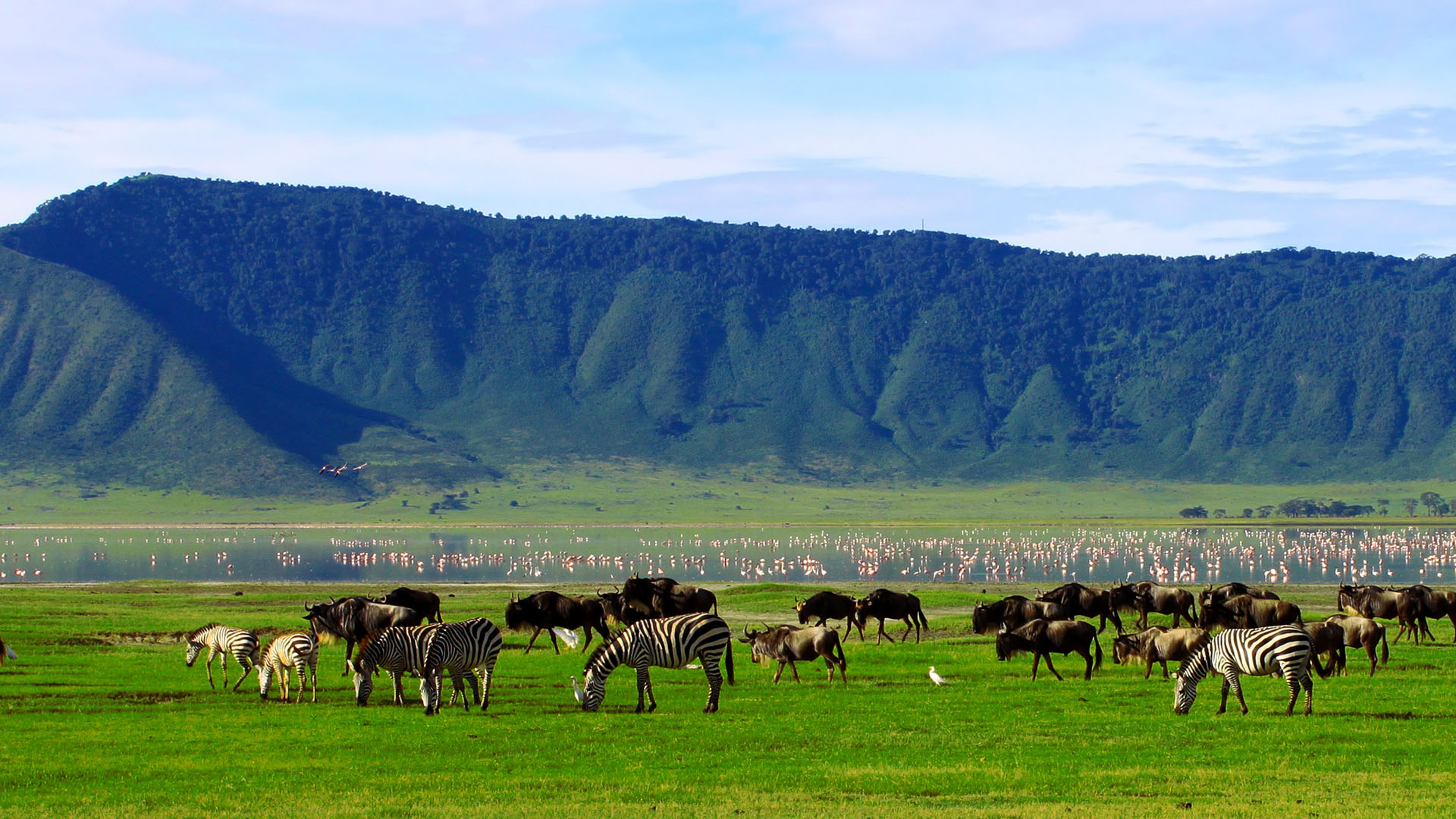
Ngorongoro Conservation Crater
Majestic Natural Wonders of African Fly-in Safaris: Ngorongoro Conservation Crater
Rising dramatically from the surrounding highlands, African Fly-in Safaris: Ngorongoro Conservation Crater reveals a natural amphitheater formed by a collapsed volcano millions of years ago. Encircling walls plunge over 600 meters to the crater floor, creating a self-contained ecosystem where grasslands, swamps, forests, and soda lakes coexist within a relatively small area. Lake Magadi, shimmering at the center, attracts flamingos and other waterbirds, while Lerai Forest provides shade for elephants and other large mammals. Through African Fly-in Safaris: Ngorongoro Conservation Crater, travelers witness one of the most visually striking landscapes in Tanzania Safaris, where sweeping views unfold from every vantage point. Carefully guided descents into the crater reveal changing habitats within minutes, offering unparalleled diversity in scenery and wildlife. Geological storytelling enhances the experience, explaining volcanic origins and ecological balance. Tanzania Wildlife Safaris conducted here extend beyond animal observation, inviting appreciation of landforms, water systems, and climatic influence. By combining scenic grandeur with scientific understanding, African Fly-in Safaris: Ngorongoro Conservation Crater establishes itself as a destination of global importance and enduring natural beauty.
Wildlife Encounters on African Fly-in Safaris: Ngorongoro Conservation Crater
Within the enclosed ecosystem, African Fly-in Safaris: Ngorongoro Conservation Crater delivers some of the most reliable Tanzania Wildlife Safaris in Africa. Hosting over 25,000 large mammals, the crater floor supports elephants, buffaloes, wildebeest, zebras, and gazelles throughout the year. Lions thrive in remarkable numbers, benefiting from abundant prey, while spotted hyenas patrol open plains with confidence. One of the crater’s greatest highlights is the presence of the critically endangered black rhinoceros, making African Fly-in Safaris: Ngorongoro Conservation Crater one of the best places in East Africa to observe this rare species. Carefully regulated game drives ensure minimal disturbance while maximizing viewing opportunities. Freshwater pools and marshes attract hippos, while open grasslands provide perfect hunting grounds for predators. Tanzania Safaris here are led by highly trained guides who interpret animal behavior, ecological interactions, and conservation challenges with clarity and authority. Ethical wildlife viewing standards underpin every activity, reinforcing trust and sustainability. Through consistent quality and exceptional biodiversity, African Fly-in Safaris: Ngorongoro Conservation Crater remains central to Tanzania Best Safaris and a benchmark for wildlife excellence.
Tanzania Birding Safaris at African Fly-in Safaris: Ngorongoro Conservation Crater
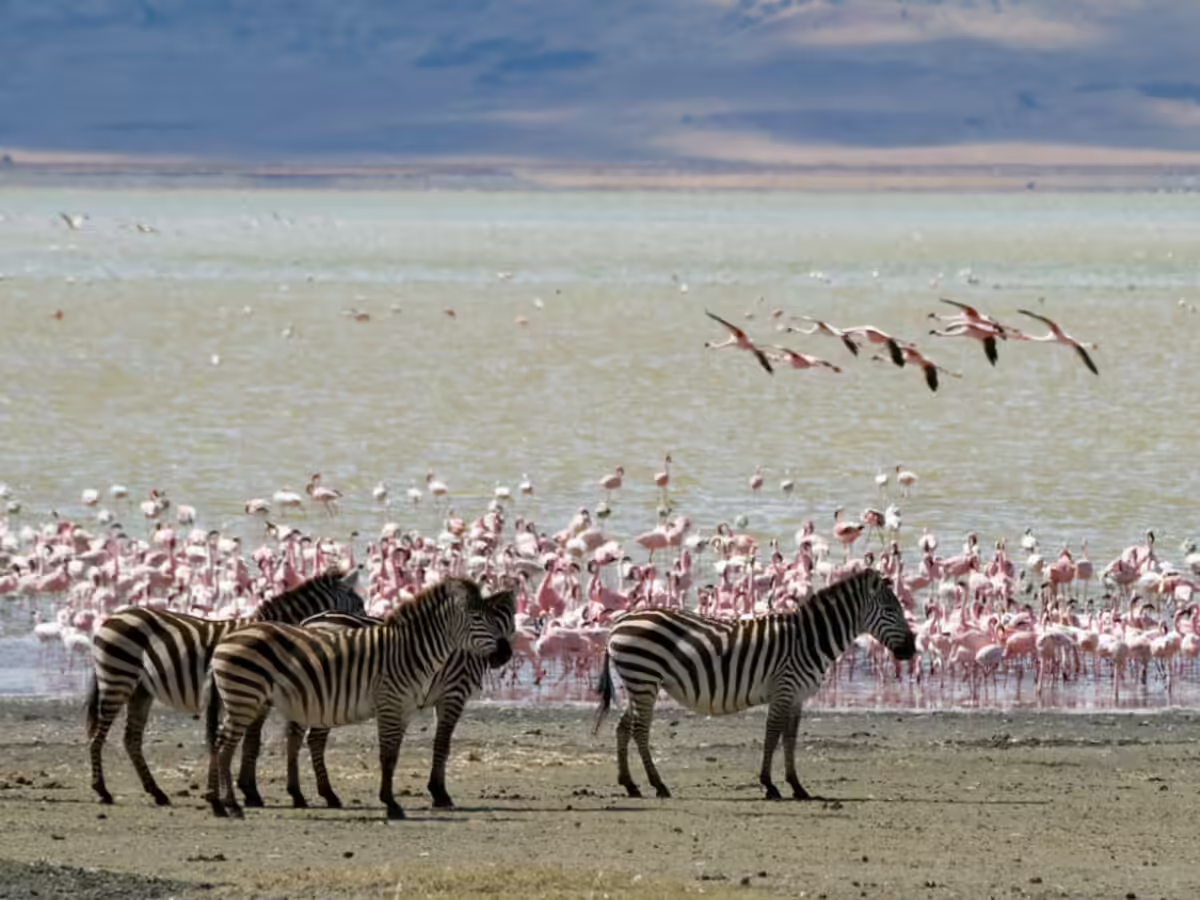
Beyond mammals, African Fly-in Safaris: Ngorongoro Conservation Crater offers rewarding Tanzania Birding Safaris across diverse habitats. Over 500 bird species have been recorded within the broader conservation area, with the crater floor and surrounding highlands hosting both resident and migratory birds. Flamingos gather at alkaline lakes, while crowned cranes grace grassy plains with elegance. Forested slopes shelter turacos, sunbirds, and raptors, adding color and sound to every excursion. Specialized birding guides enhance Tanzania Birding Safaris by identifying species, explaining migratory patterns, and highlighting ecological roles. Morning and afternoon outings provide optimal lighting and activity levels, appealing to photographers and enthusiasts alike. Through African Fly-in Safaris: Ngorongoro Conservation Crater, birdwatching becomes an integral part of the safari rather than a secondary activity. Seasonal variations ensure year-round interest, reinforcing the destination’s value for repeat visits. This depth of avian diversity strengthens African Fly-in Safaris: Ngorongoro Conservation Crater as a reliable source of authoritative birding experiences within Tanzania Safaris.
Cultural Experiences with the Maasai People at African Fly-in Safaris: Ngorongoro Conservation Crater
Living heritage defines Ngorongoro Conservation Crater through meaningful interaction with the Maasai people, whose pastoral traditions have shaped the region for centuries. Unlike many protected areas, the Ngorongoro Conservation Area allows Maasai communities to reside and graze livestock within designated zones, creating a rare model of coexistence. Guided cultural visits introduce travelers to traditional homesteads, known as bomas, where elders share oral histories, customs, and beliefs. Dance and song performances reveal spiritual expression and communal identity, while craft demonstrations highlight beadwork symbolism. Through African Fly-in Safaris: Ngorongoro Conservation Crater, cultural engagement is conducted respectfully, ensuring tourism directly benefits local communities. Tanzania Cultural Safaris here emphasize learning rather than spectacle, fostering genuine understanding. Culinary experiences may include sampling traditional foods and learning about pastoral diets. By integrating Maasai culture authentically, African Fly-in Safaris: Ngorongoro Conservation Crater strengthens trust and credibility, appealing to travelers seeking responsible and enriching Tanzania Best Safaris.
Planning Recommendations for African Fly-in Safaris: Ngorongoro Conservation Crater
Successful journeys depend on preparation, and African Fly-in Safaris: Ngorongoro Conservation Crater benefits from thoughtful planning guided by expertise. Access typically occurs via Arusha, with well-maintained roads leading to the crater rim. Accommodation options range from luxury lodges perched on the rim to comfortable camps within the conservation area, each offering unique perspectives and service standards. Carefully timed game drives avoid congestion while maximizing wildlife encounters. Travelers are advised to pack warm layers due to cooler highland temperatures, alongside sun protection and binoculars. Tanzania Safaris organized through African Fly-in Safaris: Ngorongoro Conservation Crater emphasize safety, professionalism, and environmental responsibility. Combining crater exploration with nearby destinations such as the Serengeti is common, while extensions to Tanzania Chimpanzee Safaris in western Tanzania can be arranged for those seeking primate experiences. Clear planning recommendations ensure visitors enjoy seamless logistics and meaningful engagement, reinforcing the destination’s authority and reliability.
Combining Uganda Gorilla Trekking with African Fly-in Safaris: Ngorongoro Conservation Crater
Although geographically distinct, African Fly-in Safaris: Ngorongoro Conservation Crater can be combined with Uganda Gorilla Trekking for travelers seeking a multi-country African adventure. Carefully coordinated itineraries allow guests to transition from Tanzania’s open savannahs to Uganda’s mist-covered rainforests, where mountain gorillas reside. This combination highlights Africa’s ecological diversity while maintaining comfort and efficiency. African Fly-in Safaris: Ngorongoro Conservation Crater supports such journeys through expert planning and logistical coordination. Tanzania Safaris paired with Uganda Gorilla Trekking appeal to global travelers seeking comprehensive wildlife experiences that include both iconic predators and primates. By facilitating seamless combinations, African Fly-in Safaris: Ngorongoro Conservation Crater positions itself as a knowledgeable partner capable of delivering complex, high-quality African itineraries.
When Is the Best Time to Visit African Fly-in Safaris: Ngorongoro Conservation Crater?
Which season offers optimal experiences at African Fly-in Safaris: Ngorongoro Conservation Crater? Dry months from June to October provide excellent wildlife viewing, as animals concentrate around water sources and visibility remains high. Short rains from November to December bring fresh greenery, while longer rains from March to May transform landscapes and enhance birdlife. Tanzania Wildlife Safaris remain rewarding year-round due to the crater’s permanent water supply. African Fly-in Safaris: Ngorongoro Conservation Crater adapts activities to seasonal conditions, ensuring consistent quality regardless of travel timing.
How Much Does African Fly-in Safaris: Ngorongoro Conservation Crater Cost?
What budget should travelers expect for African Fly-in Safaris: Ngorongoro Conservation Crater? Pricing varies depending on accommodation category, length of stay, and activities included. Conservation fees, crater service charges, guiding, and transport contribute to overall costs. Tanzania Best Safaris here reflect premium experiences supported by conservation and community initiatives. African Fly-in Safaris: Ngorongoro Conservation Crater maintains transparent pricing structures, ensuring travelers understand value and impact while enjoying one of Africa’s most remarkable safari destinations.