
Nairobi National Park: Kenya’s Only Wildlife Park Within a Capital City
Nairobi National Park offer one of the most extraordinary wildlife experiences anywhere in Africa, presenting a rare opportunity to encounter free-roaming wildlife against the dramatic skyline of a modern capital city. Located just a few kilometers from Nairobi’s central business district, Nairobi National Park was officially established in 1946, making it Kenya’s first national park and one of the earliest protected areas in East Africa. Covering approximately 117 square kilometers, the park protects open grass plains, acacia bushland, riverine forests, and seasonal wetlands that support remarkable biodiversity. Nairobi National Park stand apart within Kenya Safaris because they combine urban accessibility with authentic wilderness encounters.
Unlike remote safari destinations, Nairobi National Park allow travelers to experience Kenya Wildlife Safaris almost immediately upon arrival, making the park ideal for short visits, business travelers, and first-time safari guests. Black rhinos, lions, leopards, giraffes, buffaloes, and over 400 bird species thrive within this protected ecosystem, demonstrating Kenya’s long-standing commitment to conservation. Through expertly guided experiences, African Fly-in Safaris presents Nairobi National Park as a gateway to Kenya Best Safaris, blending wildlife, culture, and conservation education in a way that speaks to a global audience.
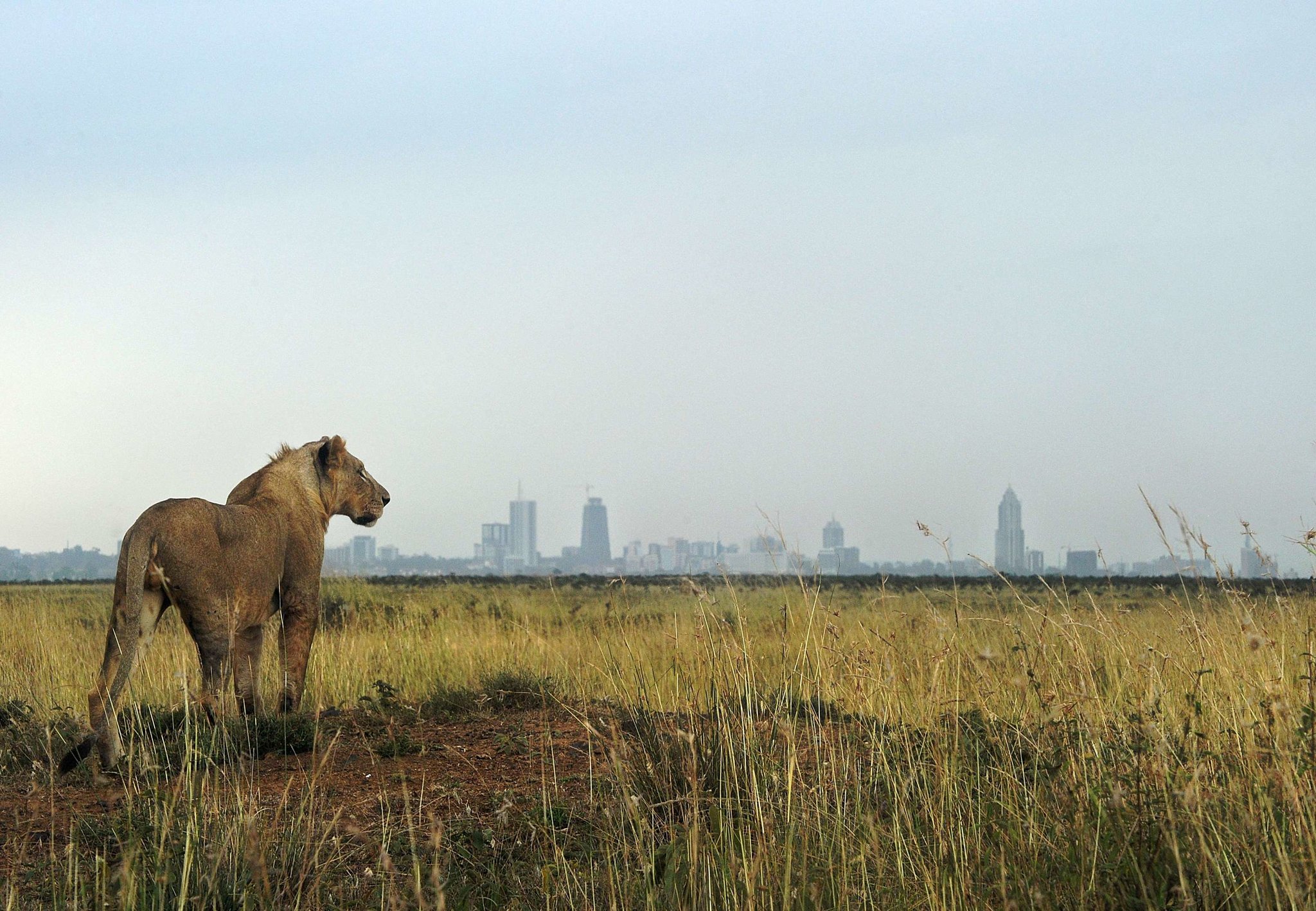
Nairobi National Park.
Nairobi National Park and Kenya Wildlife Safaris
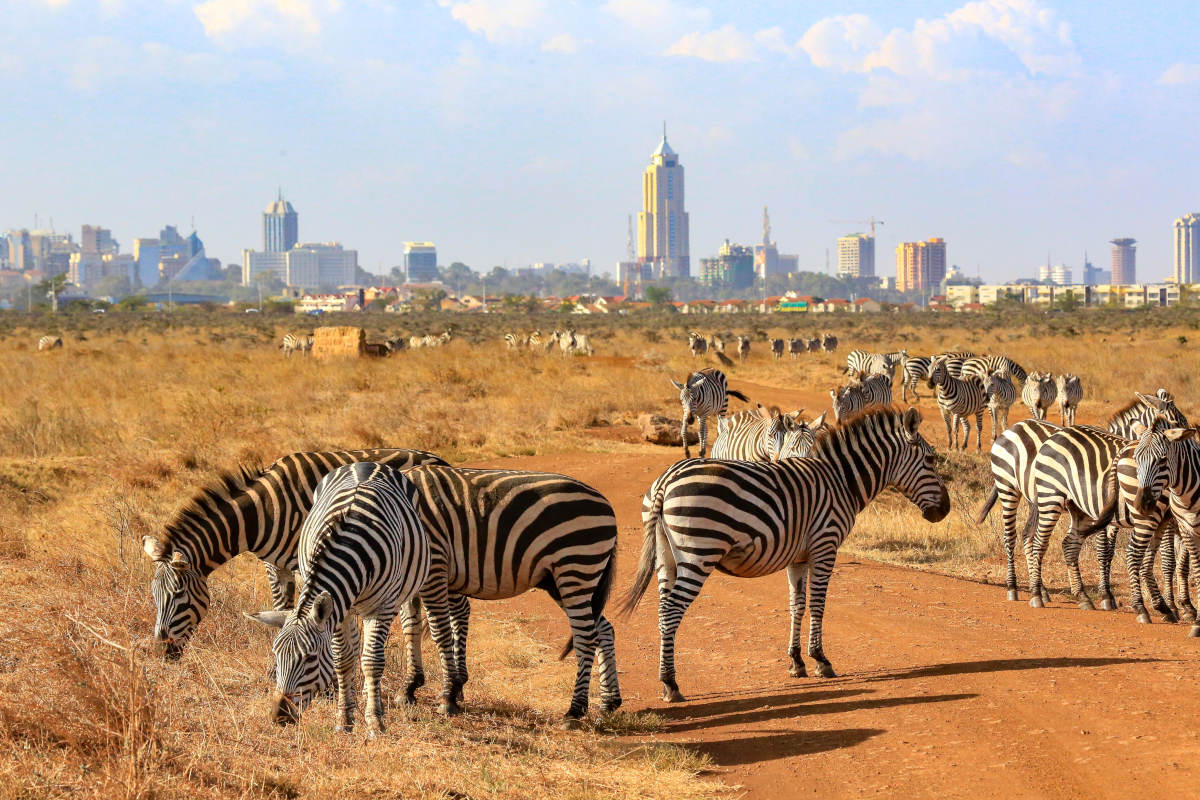
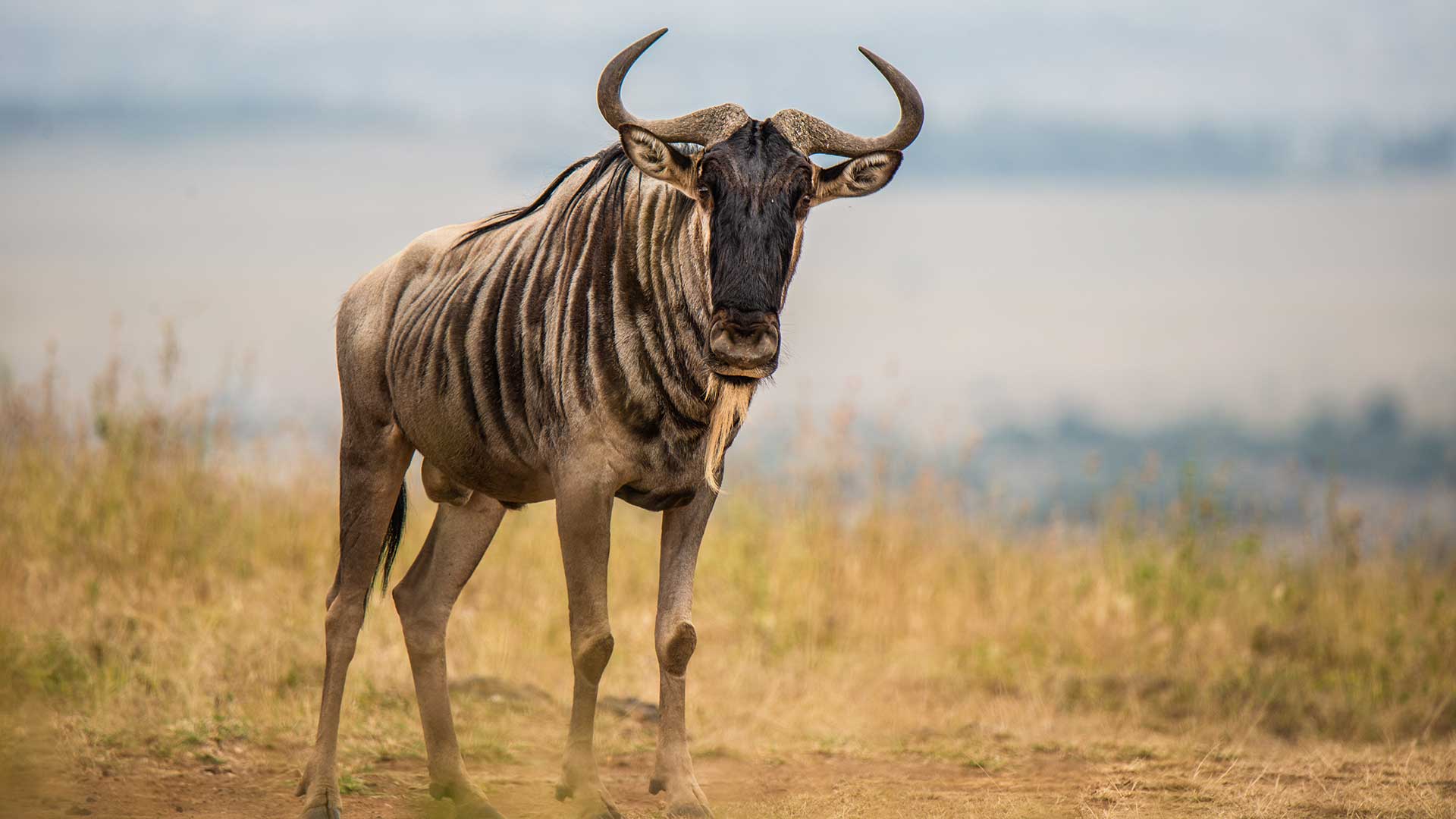
Nairobi National Park play a vital role in Kenya Wildlife Safaris by showcasing how wildlife conservation can coexist alongside urban development. Expansive grasslands within the park provide grazing grounds for herbivores such as zebras, wildebeest, elands, and impalas, while predators like lions and hyenas maintain ecological balance. Nairobi National Park are particularly famous for protecting one of Kenya’s most successful black rhino sanctuaries, offering reliable sightings of this critically endangered species.
Rather than emphasizing sheer size, Nairobi National Park focus on diversity, accessibility, and conservation impact. Kenya Safaris here allow visitors to observe wildlife behavior in open terrain, creating excellent opportunities for photography and learning. African Fly-in Safaris enhances Kenya Wildlife Safaris in Nairobi National Park by providing experienced guides who interpret animal movements, conservation challenges, and ecological relationships. Nairobi National Park demonstrate that meaningful wildlife encounters do not require remote travel, reinforcing Kenya’s leadership in innovative conservation models.
Nairobi National Park and the Great Migration Context
Nairobi National Park do not host the Great Migration itself, yet the park remains ecologically connected to seasonal wildlife movements across southern Kenya. During certain times of the year, herbivores migrate in and out of the park through open southern corridors, responding to rainfall patterns and grazing availability. These movements reflect the same natural rhythms that drive the Great Migration elsewhere in East Africa, highlighting Nairobi National Park’s role within Kenya’s broader wildlife network.
Kenya Best Safaris often include Nairobi National Park as an introductory experience that provides context for understanding migration dynamics. Observing wildebeest and zebra movements within the park offers valuable insight into how landscapes, seasons, and conservation corridors shape wildlife behavior. African Fly-in Safaris positions Nairobi National Park as an educational complement to migration-focused itineraries, ensuring travelers gain a holistic understanding of Kenya Wildlife Safaris without relying solely on large-scale migration events.
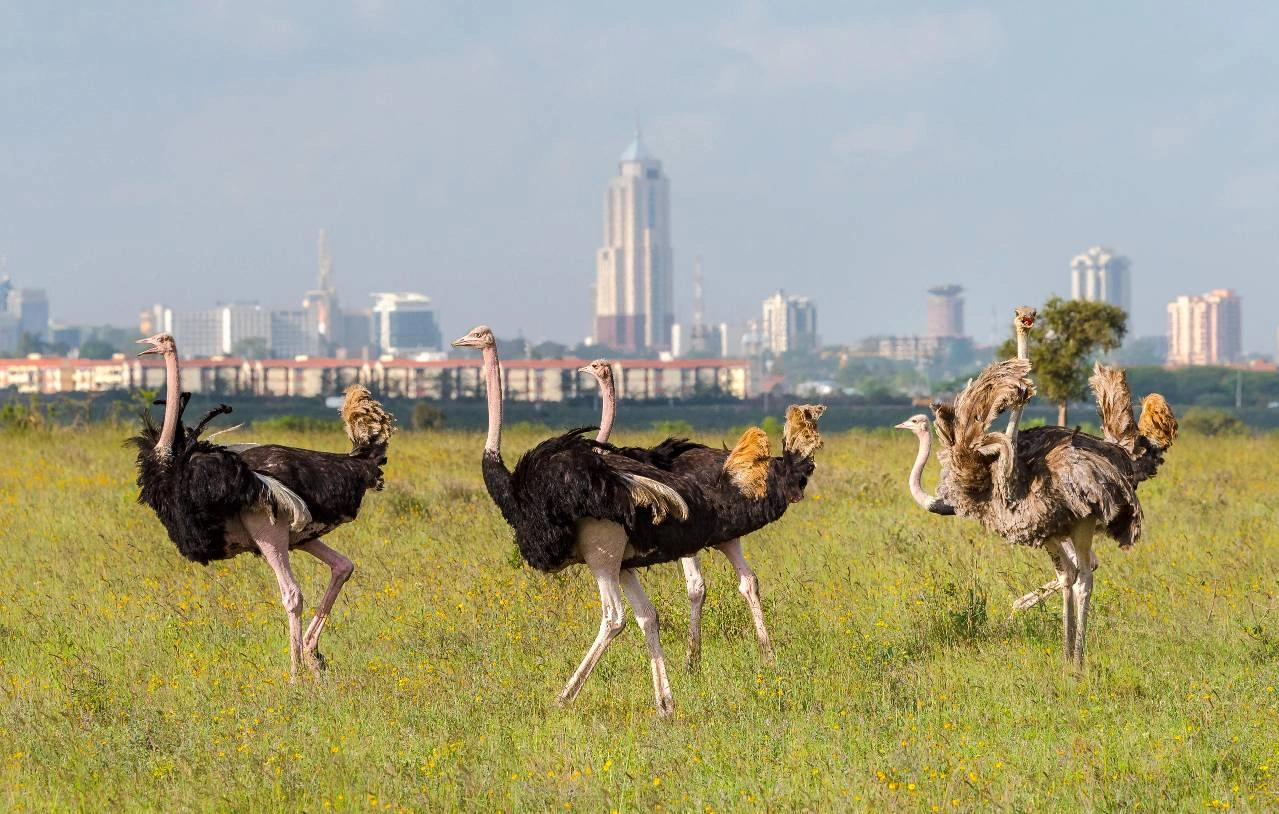
Nairobi National Park.
Nairobi National Park and Kenya Birding Safaris
Nairobi National Park are a hidden gem within Kenya Birding Safaris, offering exceptional birdwatching opportunities within close proximity to the city. Over 400 bird species have been recorded in the park, thriving across wetlands, grasslands, and forested riverbanks. Nairobi National Park allow birdwatchers to observe species such as the secretary bird, kori bustard, crowned crane, martial eagle, and various migratory birds during seasonal movements.
Birdwatching activities within Nairobi National Park are particularly rewarding due to habitat diversity and ease of access. Kenya Birding Safaris here appeal to both dedicated birders and casual nature lovers who wish to combine birdwatching with traditional game drives. African Fly-in Safaris integrates birding seamlessly into broader Kenya Wildlife Safaris, ensuring that avian encounters enhance rather than distract from the overall safari experience. Nairobi National Park consistently earn recognition among Kenya Best Safaris for delivering high bird species diversity within a compact and accessible landscape.
Nairobi National Park and Kenya Cultural Safaris
Nairobi National Park gain cultural depth through Kenya Cultural Safaris that highlight the traditions and lifestyles of communities living around the park, including interactions linked to the Maasai people. Cultural experiences provide insight into Kenya’s heritage, conservation history, and the relationship between people and wildlife. Nairobi National Park often include visits to nearby cultural centers where travelers learn about traditional practices, beadwork, storytelling, and the symbolic importance of wildlife in Kenyan society.
Cultural engagement during Nairobi National Park helps travelers understand how urban growth, conservation, and traditional values intersect. Kenya Cultural Safaris enrich wildlife experiences by offering historical context and human perspective. African Fly-in Safaris ensures cultural activities are respectful, informative, and beneficial to local communities, reinforcing ethical tourism principles. Nairobi National Park stand out within Kenya Safaris because they offer cultural immersion without long travel distances, making them accessible and meaningful for international visitors.
Majestic Wonders of Nairobi National Park
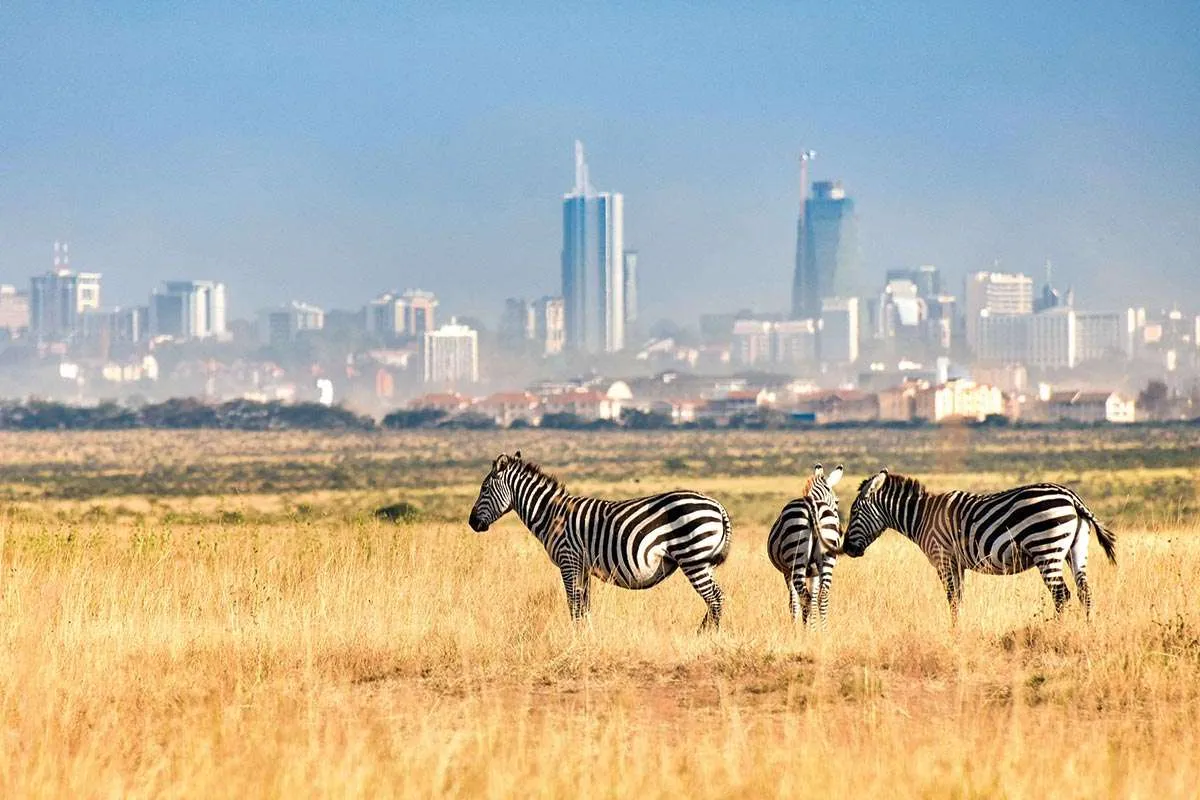
Nairobi National Park reveal a striking contrast between natural wilderness and urban development, creating one of the most visually unique safari settings in Africa. Open plains stretch toward the city skyline, while riverine forests provide shaded habitats for wildlife. Seasonal wetlands attract waterbirds and grazing animals, adding dynamic beauty throughout the year. Nairobi National Park offer scenic viewpoints where wildlife silhouettes appear against skyscrapers, symbolizing Kenya’s commitment to balancing conservation and progress.
Rather than vast horizons, Nairobi National Park emphasize intimacy and contrast. Kenya Best Safaris often highlight this destination for its symbolic value and photographic appeal. African Fly-in Safaris designs itineraries that take advantage of optimal lighting conditions, ensuring guests experience the park’s landscapes at their most dramatic. Nairobi National Park demonstrate that conservation success can thrive even in close proximity to human development.
Combining Nairobi National Park with Uganda Gorilla Trekking
Nairobi National Park can be effectively combined with Uganda Gorilla Trekking to create a diverse and rewarding East African itinerary. Travelers may begin their journey with wildlife encounters in Nairobi before flying to Uganda for gorilla trekking in Bwindi Impenetrable National Park. Nairobi National Park provide a smooth introduction to African wildlife, allowing guests to acclimate before undertaking forest-based primate experiences.
Kenya Safaris paired with Uganda Gorilla Trekking appeal to travelers seeking variety, depth, and educational value. African Fly-in Safaris specializes in cross-border planning, ensuring seamless logistics, permit arrangements, and personalized experiences. Kenya Wildlife Safaris gain international appeal when combined with Uganda’s iconic gorilla encounters, creating a safari itinerary that showcases East Africa’s ecological diversity.
Planning Recommendations for Nairobi National Park
Careful planning enhances the quality of Nairobi National Park and ensures rewarding wildlife encounters. The best time to visit is during the dry seasons from June to October and January to February, when wildlife viewing is excellent and birdwatching remains productive. Morning and late afternoon game drives provide optimal lighting and animal activity. Comfortable safari clothing, binoculars, and cameras are recommended, while advance bookings ensure availability of guided experiences.
Accommodation options range from city hotels to safari lodges located near the park’s boundaries. Kenya Wildlife Safaris benefit from professional guiding and well-planned schedules, especially given the park’s popularity. African Fly-in Safaris provides expert advice, itinerary customization, and on-ground support, ensuring that Nairobi National Park meet international standards of safety, comfort, and ethical tourism.
When is the best time to enjoy Nairobi National Park?
Dry seasons from June to October and January to February offer excellent wildlife viewing, favorable weather, and ideal birdwatching conditions.
How much does a Nairobi National Park Safari cost?
Prices generally range from USD 150 to USD 400 per person, depending on guided services, duration, and itinerary inclusions.
Why Nairobi National Park Define Kenya’s Urban Safari Excellence
Nairobi National Park represent one of Kenya’s most unique contributions to global safari tourism, proving that wildlife conservation can thrive alongside urban life. Through Kenya Wildlife Safaris, Kenya Birding Safaris, Kenya Cultural Safaris, and strong educational value, the park delivers an experience unlike any other. African Fly-in Safaris brings expertise, trust, and professionalism to every itinerary, positioning the brand as a reliable authority in African tourism.
Nairobi National Park ultimately invite travelers to witness a powerful coexistence—where wildlife, culture, and modern Africa meet—creating unforgettable memories in the heart of Kenya’s capital.