What Accommodations Are Available During Wildlife Safaris?
March 6, 2026
How Much Does a Wildlife Safari Cost in Uganda?
March 6, 2026
What Should I Pack for a Wildlife Safari?
Planning a successful wildlife adventure begins with answering one crucial question: What should I pack for a wildlife safari? For travelers embarking on Uganda Safaris, preparation is key to enjoying seamless wildlife encounters, gorilla trekking, birdwatching expeditions, and cultural visits. Packing wisely ensures comfort, safety, and convenience while navigating diverse ecosystems, ranging from misty rainforests to open savannah plains. Uganda offers an incredible variety of experiences including Uganda Wildlife Safaris, Uganda Birding Safaris, and Uganda Cultural Safaris, making it essential to carry appropriate gear for each type of excursion.
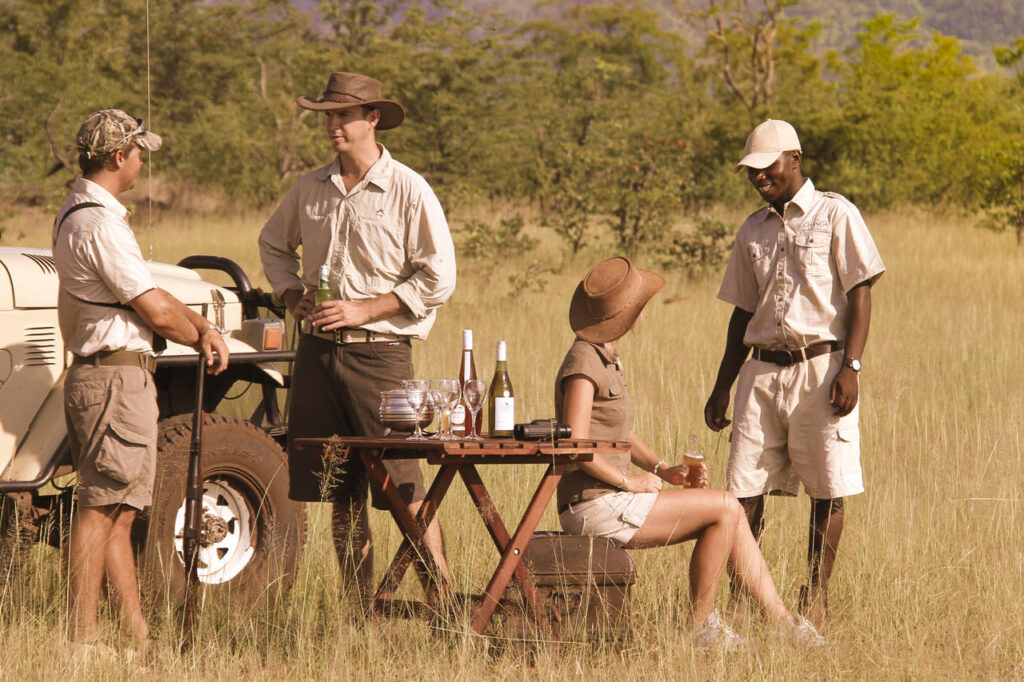
Understanding the essentials for a wildlife safari helps travelers adapt to changing weather conditions, remote travel locations, and varying levels of physical activity. Lightweight, breathable clothing, sun protection, and sturdy walking shoes are indispensable for navigating trails during gorilla trekking or walking safaris. Binoculars, cameras, and field guides enhance wildlife observation during Uganda Best Safari experiences, allowing visitors to capture memorable moments and identify rare bird species. Additionally, personal items such as first aid kits, reusable water bottles, and insect repellents contribute to a comfortable and safe journey.
Beyond practical considerations, packing for a Uganda safari reflects the desire to experience adventure responsibly. Eco-friendly travel practices, including using reusable items and minimizing non-biodegradable waste, help protect delicate ecosystems. Properly preparing for a wildlife safari demonstrates thoughtful planning, allowing travelers to focus on immersive wildlife encounters and authentic cultural engagement. With guidance from African Fly-in Safaris, visitors can confidently answer the question What should I pack for a wildlife safari?, ensuring their journey delivers the ultimate Uganda Best Safari experience.
Essentials for Gorilla Trekking in Bwindi Impenetrable Forest
What Gear Is Needed for Gorilla Tracking Safaris?
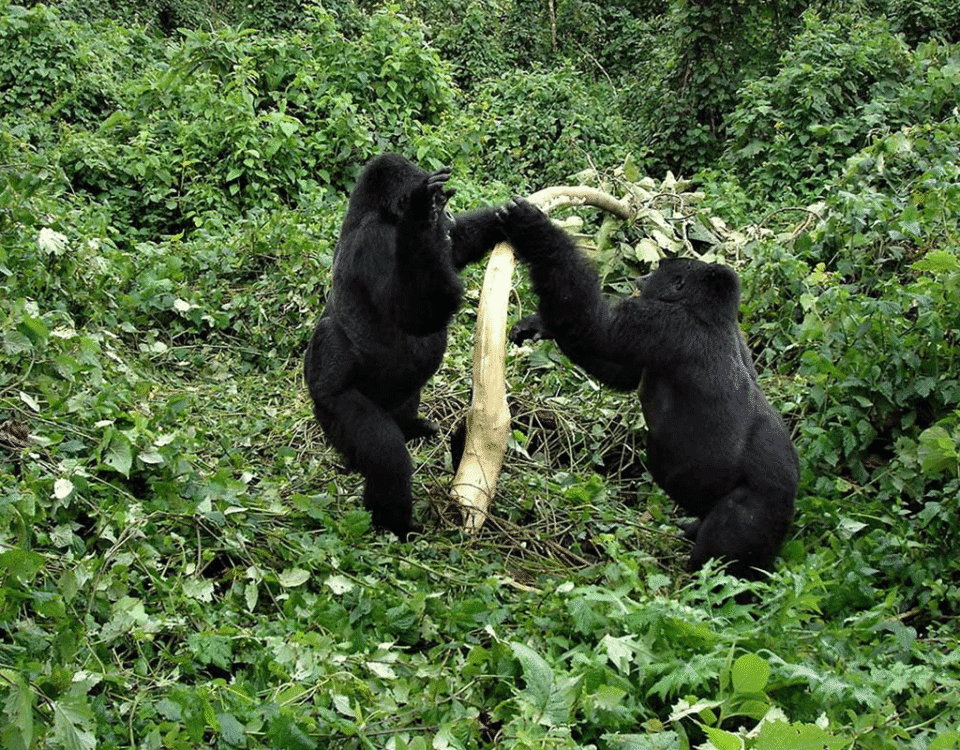
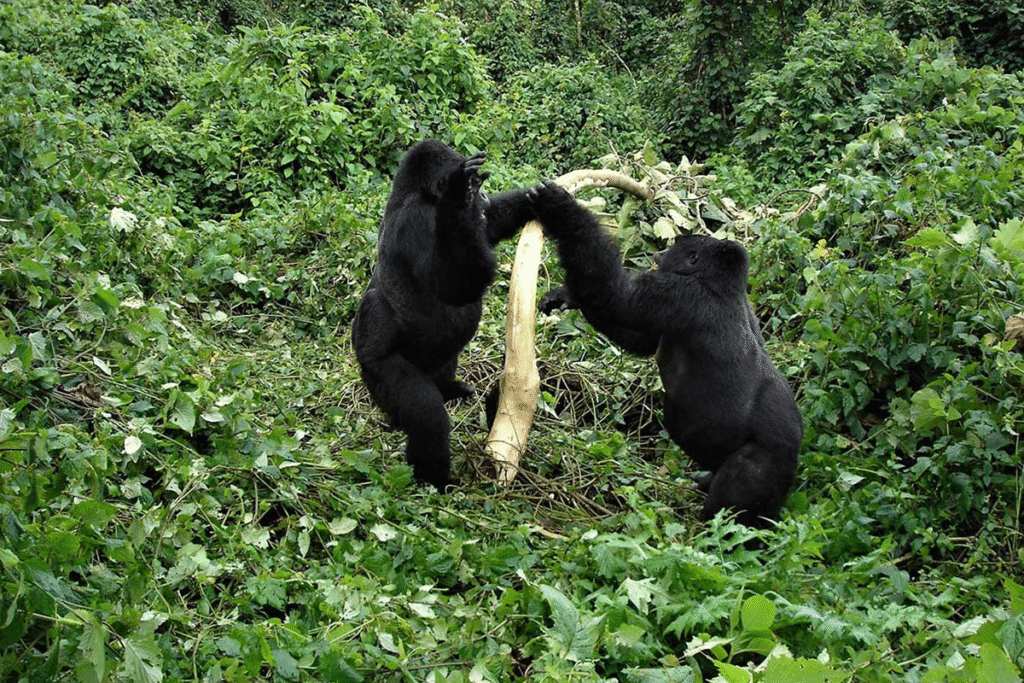
When exploring Uganda Safaris, particularly gorilla trekking in Bwindi Impenetrable Forest National Park, travelers must carefully consider what should I pack for a wildlife safari. Bwindi’s dense rainforest presents unique challenges such as slippery trails, humid conditions, and unpredictable weather. Waterproof jackets, lightweight long-sleeved shirts, and durable hiking boots provide protection against rain, insects, and dense undergrowth while ensuring comfort during long treks.
Binoculars and cameras are essential for capturing gorilla encounters while maintaining a safe distance. Trekking poles can also aid balance on uneven terrain. Personal items like gloves, hats, and gaiters protect against scratches and bites from forest plants, enhancing both safety and comfort. Snacks and hydration are vital, as treks can last several hours and exert considerable physical effort.
Packing strategically for gorilla trekking also considers sustainability. Many eco-lodges in Bwindi encourage minimal plastic use and promote biodegradable products to preserve the fragile forest ecosystem. Travelers should include reusable water bottles, small waste bags, and eco-friendly toiletries. African Fly-in Safaris ensures that all guests receive a detailed packing list that addresses what should I pack for a wildlife safari, allowing visitors to fully enjoy Uganda Wildlife Safaris and gorilla tracking without unnecessary stress.
Birdwatching Safaris in Mabamba Swamp and Queen Elizabeth National Park
Which Equipment Enhances Birding Experiences?
For birding enthusiasts, answering what should I pack for a wildlife safari is critical when planning Uganda Birding Safaris in destinations like Mabamba Swamp and Queen Elizabeth National Park. These regions host a variety of endemic and migratory bird species that attract enthusiasts from around the globe. Essential gear includes high-quality binoculars, spotting scopes, and field guides to identify over 1,000 bird species found across Uganda.
Lightweight, breathable clothing in neutral colors helps avoid startling birds, while sun protection such as hats, sunglasses, and sunscreen is vital during early morning excursions when bird activity peaks. Waterproof boots and jackets are particularly important in swampy or wetland areas where trails can be muddy. Carrying notebooks or digital devices allows birders to record observations, track sightings, and plan subsequent excursions efficiently.
African Fly-in Safaris also recommends packing insect repellent and portable snacks, especially during extended field trips, as birding safaris often involve long hours of walking or boat rides. Choosing the right equipment ensures guests enjoy every moment of their Uganda Best Safari while contributing to responsible observation practices that minimize disturbance to wildlife. Proper preparation helps answer what should I pack for a wildlife safari with confidence, making birding trips both comfortable and rewarding.
Savannah Wildlife Safaris in Queen Elizabeth and Murchison Falls
How Should I Prepare for Game Drives?
When planning Uganda Wildlife Safaris in iconic parks such as Queen Elizabeth National Park and Murchison Falls National Park, travelers often ask what should I pack for a wildlife safari to maximize comfort during game drives. Lightweight clothing in earthy tones helps blend into the environment, reducing animal disturbance while keeping travelers comfortable in hot daytime temperatures. Layered clothing is recommended for early morning drives, as temperatures can be significantly cooler before sunrise.
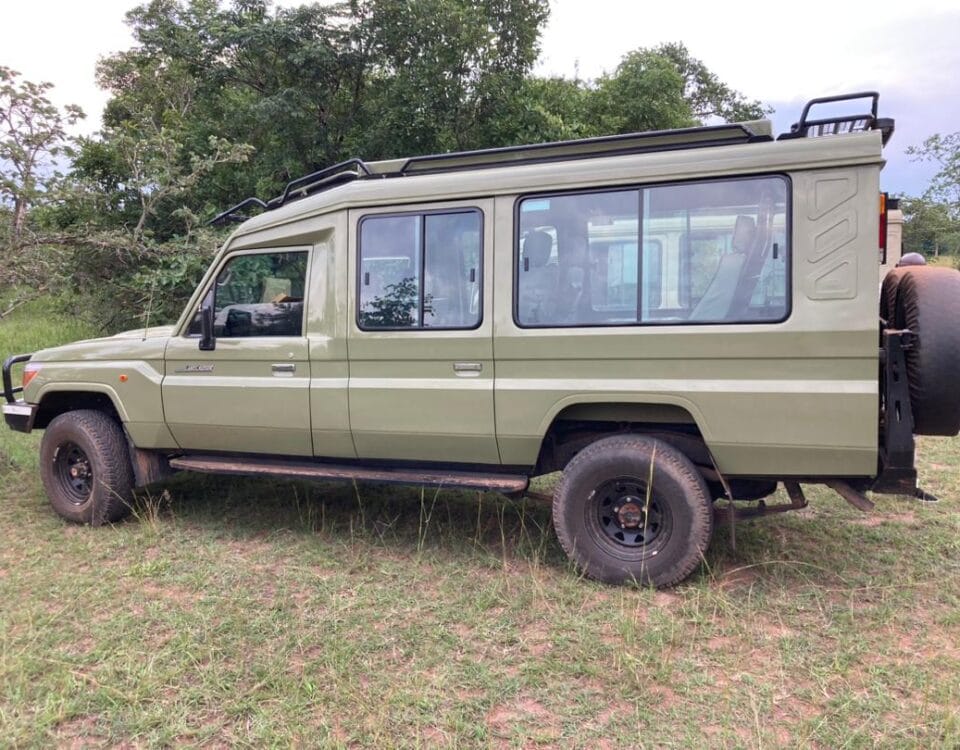
Essential accessories include sun hats, sunglasses, and sunscreen for protection against the equatorial sun. Cameras with zoom lenses are highly recommended for photographing wildlife from vehicles, while binoculars enhance animal spotting in open savannahs. Water bottles and small personal first-aid kits ensure safety and hydration throughout the day. Some travelers may also pack travel pillows or cushions to improve comfort during long drives across rugged terrains.
African Fly-in Safaris emphasizes the importance of packing thoughtfully to enjoy Uganda Best Safari experiences in these parks. By providing detailed guidance on what should I pack for a wildlife safari, guests can focus on observing lions, elephants, buffaloes, and rare birds without distraction, making every game drive a memorable adventure.
Cultural Safaris and Community Visits
What Items Are Important for Uganda Cultural Safaris?
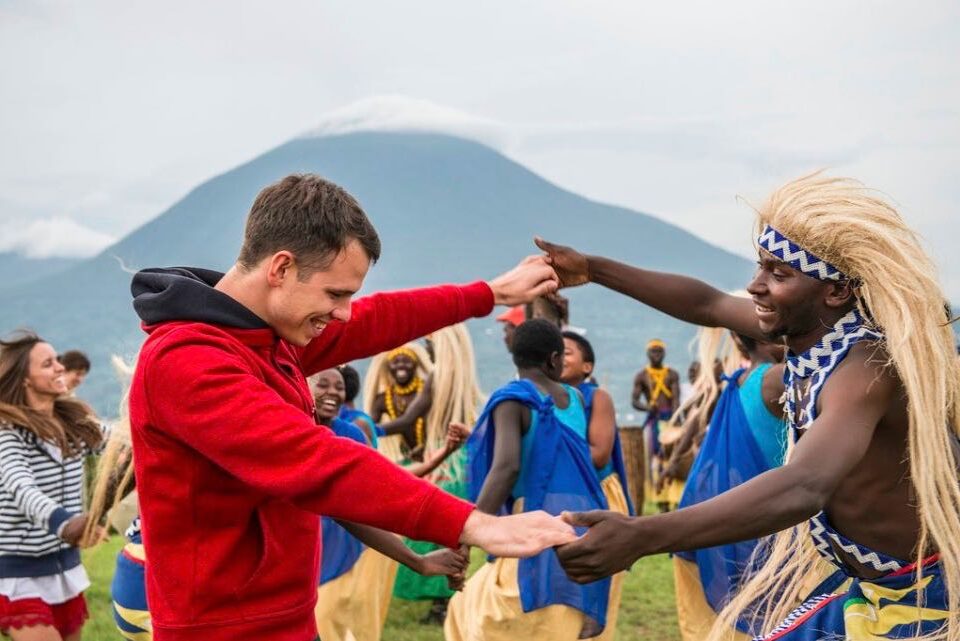
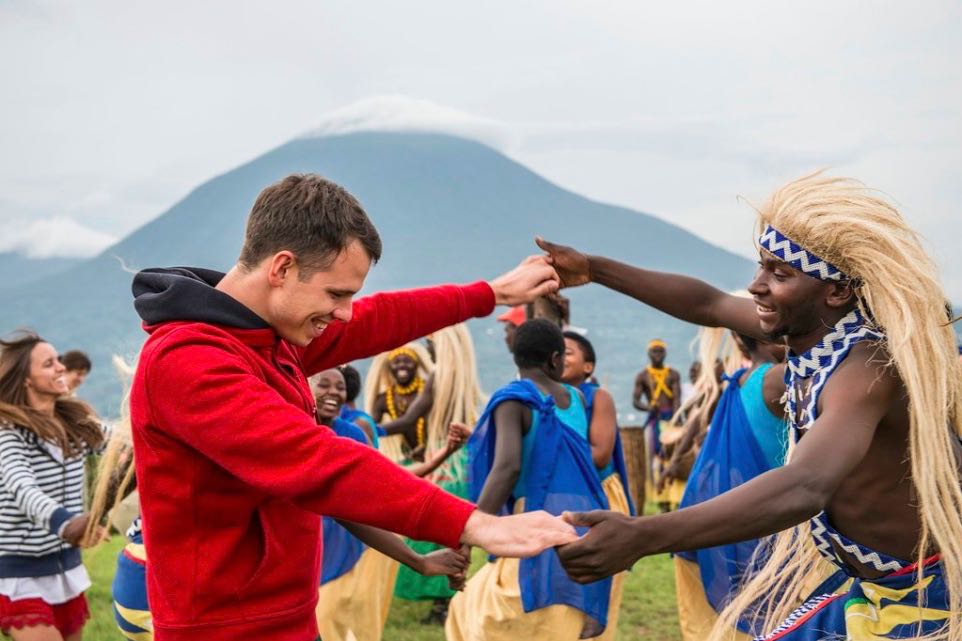
For those participating in Uganda Cultural Safaris, thoughtful packing enhances the quality of cultural experiences. Modest clothing that respects local customs is important when visiting villages near Bwindi Impenetrable Forest or communities around Queen Elizabeth National Park. Comfortable shoes and sun protection allow travelers to participate in village walks, traditional dances, and craft demonstrations without discomfort.
Carrying small tokens or school supplies is optional for travelers wishing to engage with communities ethically. Cameras, notebooks, and portable devices can help document cultural encounters while remaining respectful of local sensitivities. Packing lightweight rain gear ensures that sudden tropical showers do not disrupt planned activities.
African Fly-in Safaris ensures that all guests understand what should I pack for a wildlife safari that includes both wildlife and cultural experiences. The careful selection of gear and clothing guarantees a seamless combination of Uganda Wildlife Safaris, Uganda Birding Safaris, and Uganda Cultural Safaris, offering an enriched and immersive Uganda Best Safari adventure.
How Much Does Packing Influence Safari Costs?
Planning what to pack for a wildlife safari also impacts the overall budget. While essential clothing and equipment may seem like additional expenses, thoughtful preparation prevents unnecessary purchases during travel. High-quality binoculars, cameras, and hiking gear may require upfront investment, but they significantly enhance the experience of Uganda Wildlife Safaris and Uganda Birding Safaris.
Travelers may also consider packing snacks, reusable water bottles, and personal medical supplies to avoid higher costs from purchasing these items at remote lodges or national parks. African Fly-in Safaris provides guidance on cost-effective packing strategies, ensuring that guests can enjoy a luxurious and memorable Uganda Best Safari without unexpected financial surprises.
When Is the Best Time to Pack for Uganda Safaris?
Packing should align with Uganda’s climatic patterns. The best periods for Uganda Safaris are typically during the dry seasons from June to September and December to February, when wildlife viewing is optimal and trails for gorilla trekking are most accessible. Birding enthusiasts may prefer the wetter seasons from March to May and October to November, when migratory birds are abundant.
African Fly-in Safaris advises travelers to prepare packing lists well in advance to accommodate seasonal conditions, ensuring that every item serves a purpose. Proper planning directly answers the question what should I pack for a wildlife safari, creating an organized and enjoyable journey regardless of the travel season.
Why Choose African Fly-in Safaris for Packing Guidance?
Choosing African Fly-in Safaris provides travelers with expert advice on what should I pack for a wildlife safari tailored to Uganda’s diverse ecosystems. Our experienced guides and consultants combine practical knowledge of wildlife behavior, local climates, and cultural expectations to create comprehensive packing recommendations.
Guests receive detailed checklists that cover gorilla trekking, game drives, birding, and cultural excursions, ensuring that every safari experience is comfortable, safe, and immersive. By choosing African Fly-in Safaris, travelers can confidently embark on their Uganda Best Safari, fully prepared to explore the country’s extraordinary wildlife, lush landscapes, and vibrant communities without unnecessary stress or inconvenience.