What Time of Day Is Best for Game Drives?
March 5, 2026
Are Night Game Drives Available in Uganda?
March 5, 2026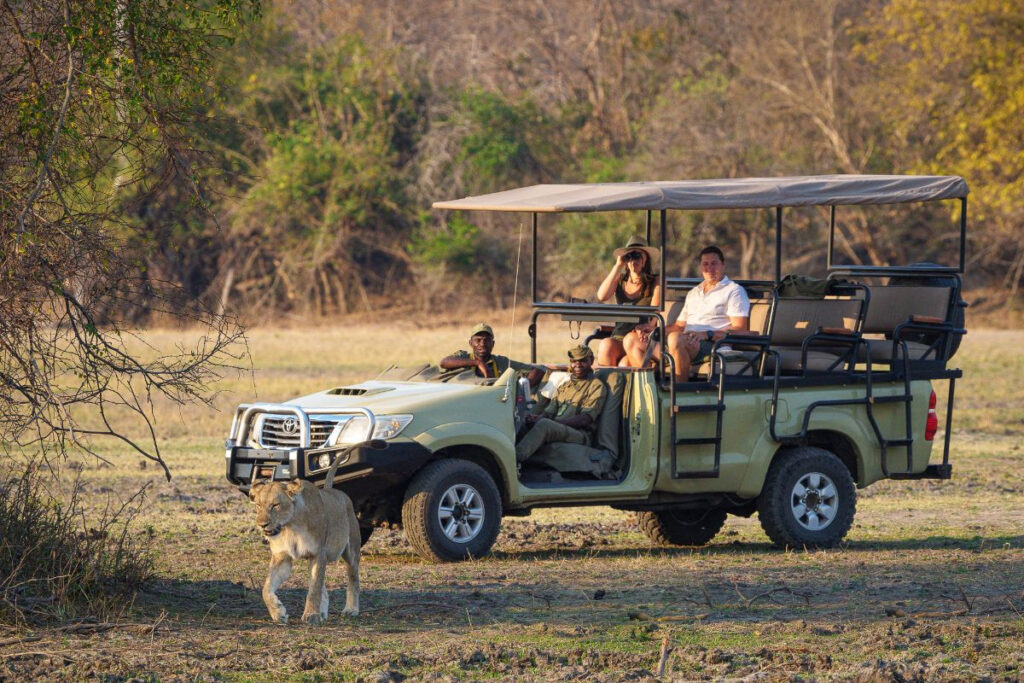
How Long Does a Typical Game Drive Last?
One of the most common questions travelers ask when planning African adventures is “How long does a typical game drive last?” This question is central to planning immersive experiences across Uganda’s renowned wildlife destinations, including Uganda Safaris, Uganda Wildlife Safaris, and Uganda Birding Safaris. A game drive is a structured journey through national parks and wildlife reserves, guided by professional safari experts who ensure safety, maximize wildlife encounters, and provide educational insights about Uganda’s unique ecosystems. The duration of these excursions varies depending on the park, the wildlife sought, seasonal conditions, and specific safari objectives, making it essential for travelers to understand before embarking on their journey.
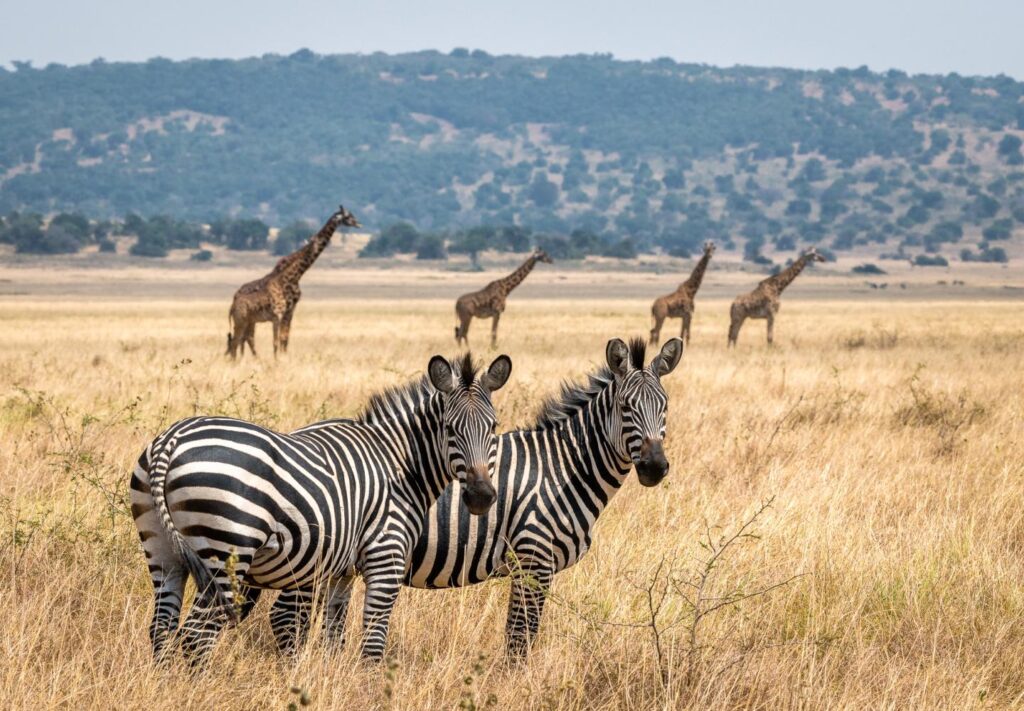
Typically, guided game drives last between 3 to 6 hours per session, although multi-day safaris combine several drives to provide deeper exploration. Early morning and late afternoon drives are the most productive because animals are more active during cooler hours. Birds, primates, and large mammals such as elephants, lions, and buffaloes are particularly visible during these periods, creating exceptional opportunities for both observation and photography. The concept of How long does a typical game drive last? is therefore closely tied to optimizing wildlife encounters, capturing memorable experiences, and aligning with the natural rhythms of Uganda’s biodiversity.
Professional operators such as African Fly-in Safaris design itineraries that integrate game drives with other safari experiences, including Uganda Cultural Safaris, forest treks, and birdwatching walks. These journeys allow travelers to combine wildlife observation with learning about Uganda’s local communities, conservation practices, and ecological heritage. Understanding the expected duration of game drives helps visitors plan their days efficiently, ensuring adequate rest, meal times, and additional activities while maximizing the Uganda Best Safari experience.
How Long Does a Typical Game Drive Last in Queen Elizabeth National Park?
Why Are Early and Late Drives Most Effective for Wildlife Viewing?
Visitors frequently ask “How long does a typical game drive last?” when visiting Queen Elizabeth National Park, one of Uganda’s most diverse wildlife reserves. Covering nearly 2,000 square kilometers, the park supports over 600 bird species, large savannah mammals, and the famous tree-climbing lions of the Ishasha sector. Guided game drives in this park typically last 4 to 5 hours per session, beginning early in the morning or late in the afternoon to maximize wildlife activity and avoid midday heat.
Savannah landscapes awaken at sunrise, prompting herbivores to graze and predators to begin their hunting routines. Guides utilize their expertise to locate elusive species, interpret behaviors, and educate travelers about the park’s ecosystems. Late afternoon drives provide a different perspective, showcasing how nocturnal animals prepare for the evening and allowing visitors to observe sunset lighting that enhances photography opportunities.
Game drives in Queen Elizabeth National Park also complement Uganda Birding Safaris, with early mornings revealing waterbirds along the Kazinga Channel and raptors soaring above open plains. Guides share insights on bird identification, feeding habits, and ecological roles, helping travelers engage with the environment in a meaningful and educational way. By understanding How long does a typical game drive last?, visitors can plan meals, additional excursions, and cultural experiences without compromising wildlife observation.
Professional guides from African Fly-in Safaris ensure each drive balances comfort, safety, and adventure, providing travelers with the ultimate Uganda Best Safari. Guests gain a comprehensive view of the park’s flora and fauna while learning about conservation efforts and sustainable tourism practices that benefit local communities.
How Long Does a Typical Game Drive Last in Bwindi Impenetrable National Park?
Why Do Forest Drives Differ from Savannah Drives?
Travelers exploring How long does a typical game drive last? quickly discover that forest ecosystems, such as Bwindi Impenetrable National Park, require a different approach. This UNESCO World Heritage Site protects ancient rainforest and hosts over 350 bird species along with endangered mountain gorillas. Guided forest drives and walking safaris typically range from 3 to 5 hours, depending on the terrain, wildlife encounters, and trekking schedules for gorilla visits.
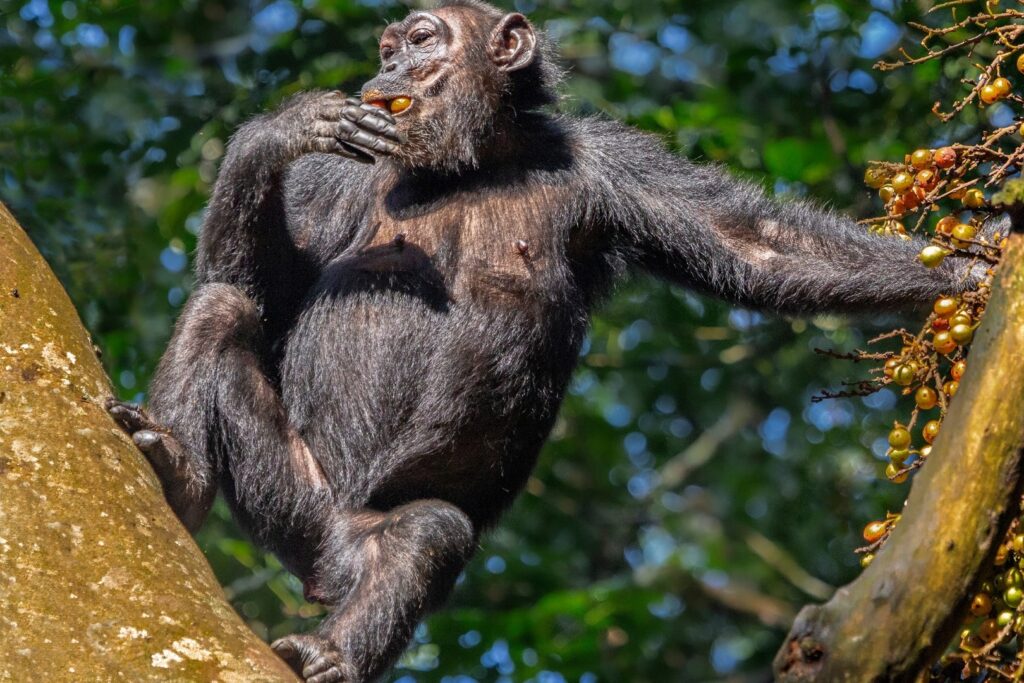
Dense vegetation and steep slopes make movement slower than in open savannahs, requiring careful navigation under the guidance of professional safari experts. Early morning departures are essential for observing bird activity, primates, and small mammals, as many species retreat deeper into the forest during hotter midday hours. Guides share detailed knowledge about habitat preferences, feeding habits, and local ecological dynamics, enriching the Uganda Birding Safaris experience while keeping guests safe.
The duration of a game drive in Bwindi also accommodates gorilla trekking, allowing travelers to spend focused time observing these majestic creatures in their natural environment. By coordinating forest walks, wildlife spotting, and cultural visits to nearby communities, guides ensure that guests enjoy a comprehensive Uganda Cultural Safari while gaining a deeper understanding of conservation initiatives.
Understanding How long does a typical game drive last? in Bwindi helps travelers prepare physically and mentally, including proper clothing, water, and essential equipment such as binoculars. African Fly-in Safaris designs itineraries that balance activity with comfort, making each excursion an unforgettable component of the Uganda Best Safari.
How Long Does a Typical Game Drive Last in Mabamba Swamp?
Why Are Wetland Excursions Timed Differently from Land Drives?
Birdwatchers often ask “How long does a typical game drive last?” when planning visits to Mabamba Swamp, a critical wetland ecosystem near Lake Victoria. Home to the rare shoebill stork and over 300 bird species, guided excursions in this environment typically last 2 to 4 hours, often by canoe or small boat rather than traditional vehicles. Early departures, around sunrise, are essential for observing feeding behaviors and courtship displays of birds in the tranquil wetland.
Navigating papyrus channels requires careful timing and guidance, ensuring guests can see elusive species without disturbing sensitive habitats. Guides also provide educational insights into wetland ecology, migratory patterns, and conservation strategies, enhancing the value of Uganda Birding Safaris. Duration considerations allow travelers to combine birdwatching with nearby cultural experiences, such as interactions with local fishing communities who protect the swamp while sustaining traditional livelihoods.
Understanding How long does a typical game drive last? in wetland environments enables visitors to plan photography, observation breaks, and guided explanations without feeling rushed. African Fly-in Safaris integrates these excursions into larger itineraries that include forest treks, savannah drives, and cultural engagements, ensuring a comprehensive Uganda Best Safari.
How Much Does a Typical Game Drive Cost?
Costs for guided game drives vary depending on the destination, duration, and level of service. Short excursions in Mabamba Swamp may range from $120 to $350 per person, while single-day drives in Queen Elizabeth National Park usually cost $150 to $400. Multi-day packages incorporating Bwindi, Queen Elizabeth, and other birding hotspots range from $1,500 to $3,500 per person, with luxury options exceeding $5,000 for private guides, premium vehicles, and high-end lodges.
Packages generally include park entrance fees, transportation, expert guiding, and meals, though prices may vary based on additional activities such as gorilla trekking or specialized birdwatching tours. Understanding these costs helps travelers plan budgets effectively for their Uganda Safaris while maximizing the value of each guided experience.
When Is the Best Time for Guided Game Drives?
The timing of game drives significantly influences wildlife activity and visibility. Dry seasons from June to September and December to February offer optimal road conditions and comfortable weather for both Uganda Wildlife Safaris and Uganda Birding Safaris. Wet seasons, spanning March to May and October to November, attract migratory birds, enhance breeding activity, and provide lush scenery, creating additional photographic opportunities.
Early morning and late afternoon drives remain the most productive, ensuring travelers witness active wildlife while avoiding midday heat. Guides adjust departure times based on weather, animal behavior, and guest preferences, making each Uganda Best Safari both rewarding and memorable.
Why Choose African Fly-in Safaris for Your Game Drive?
Selecting a professional operator ensures travelers experience How long does a typical game drive last? in the most effective and enjoyable manner. African Fly-in Safaris offers expertly designed Uganda Safaris that combine wildlife exploration, birdwatching, and Uganda Cultural Safaris. Guides possess extensive knowledge of animal behavior, habitat dynamics, and conservation practices, ensuring that each game drive is informative, safe, and immersive.
African Fly-in Safaris prioritizes personalized itineraries, responsible tourism, and cultural engagement, allowing visitors to experience the full spectrum of Uganda’s biodiversity while supporting local communities. From the forests of Bwindi to the savannahs of Queen Elizabeth and the wetlands of Mabamba, every guided game drive is carefully structured to maximize sightings, provide expert interpretation, and deliver the ultimate Uganda Best Safari experience.