Are Park Fees Included in Safari Packages?
March 4, 2026
How Long Does a Gorilla Trek Usually Take?
March 5, 2026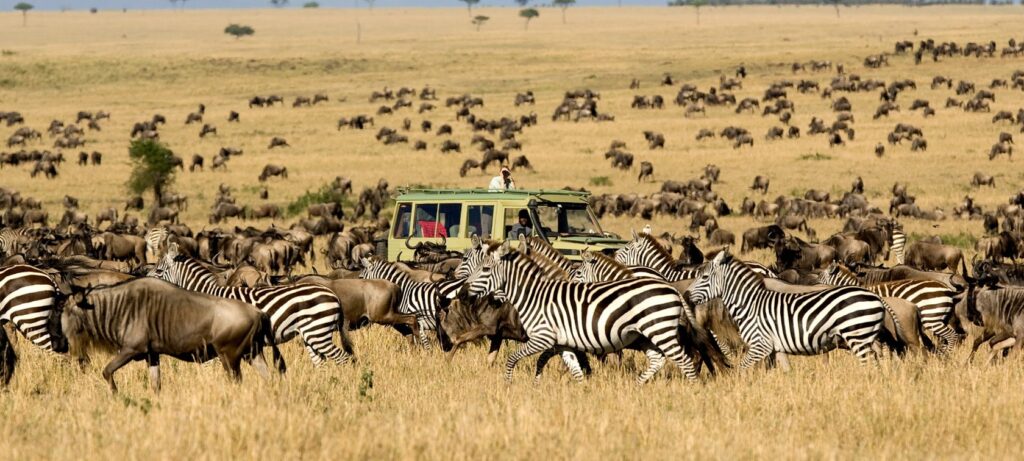
Can I Do a Self-Drive Safari for the Migration?
Can I do a self-drive safari for the migration? Many wildlife enthusiasts and adventure travelers ask this question as they plan their Kenya Safaris or Tanzania Safari during the iconic Great Migrations. The migration of wildebeest, zebras, and other herbivores across the Maasai Mara in Kenya and the Serengeti in Tanzania represents one of the most dramatic wildlife spectacles on Earth. A self-drive safari provides flexibility, independence, and the thrill of navigating these stunning landscapes at your own pace. However, such an approach requires careful planning, awareness of local regulations, and an understanding of terrain challenges.
Travelers considering a self-drive Kenya Best Safari or Tanzania Best Safari must weigh expectations against logistics. The migration is seasonal, with Kenya’s Maasai Mara typically hosting the herds from July to October, while Tanzania’s Serengeti sees significant movement from June to October and again during the calving season from January to March. Costs for self-drive safaris vary depending on vehicle rental, fuel, park entry fees, and accommodations, with mid-range safaris averaging $350–$600 per night, while luxury options may exceed $1,200. Experienced travelers often complement self-drive experiences with Kenya Birding Safaris or Tanzania Cultural Safari stops to enrich the journey. Choosing African Fly-in Safaris provides expert advice on itineraries, local driving regulations, and safety protocols, ensuring that even self-guided explorers enjoy a seamless and memorable migration experience.
Is a Self-Drive Safari Suitable for Kenya Safaris?
Is a self-drive safari for the migration feasible in Kenya? The Maasai Mara is a premier destination for Kenya Safaris, offering vast open plains, acacia-dotted landscapes, and dramatic river crossings during the Great Migrations. While guided safaris provide expert tracking of wildlife, self-drive adventures allow travelers to tailor their schedule, spend more time at specific locations, and capture personal photographic opportunities without constraints.
Reaching the Maasai Mara typically involves driving from Nairobi through the Great Rift Valley or flying into local airstrips such as Keekorok or Mara Serena. Travelers can expect variable terrain, including dirt roads, seasonal mud, and river crossings that demand reliable 4×4 vehicles. Kenya Birding Safaris enthusiasts benefit from self-drive flexibility, allowing them to stop frequently for birdwatching or nature photography. Costs include park entry fees ranging from $80–$100 per adult per day, vehicle hire starting at $150 per day, and accommodation options ranging from luxury lodges to mid-range camps. The best time for self-drive safaris coincides with peak migration months of July to October, when wildlife is concentrated and predator activity is high. African Fly-in Safaris offers detailed route planning, local driving tips, and real-time migration updates, making self-drive Kenya Best Safari a safe and unforgettable adventure.
Can Self-Drive Safaris Work in Tanzania?
Can a self-drive safari for the migration be effective in Tanzania? Serengeti National Park, one of the largest and most ecologically diverse safari destinations in the world, offers immense opportunities for independent exploration. Self-driving in Tanzania allows visitors to witness the Great Migrations, predator hunts, and calving season in the southern plains without the constraints of guided itineraries, providing an authentic Tanzania Safari experience.
Travelers usually access the Serengeti via Kilimanjaro International Airport or Arusha, followed by a domestic flight or a long-drive over well-maintained gravel roads. Expectations include navigating open plains, crossing riverbeds, and reaching remote camps that often provide exclusive wildlife viewing opportunities. Costs vary: park fees start at $60–$70 per day, while vehicle rentals with 4×4 capabilities average $200–$250 daily. Accommodations range from budget lodges to luxury tented camps exceeding $1,000 per night. The best time for self-drive Tanzania Best Safari aligns with June to October for dry season sightings or January to March during calving season. Choosing African Fly-in Safaris ensures detailed maps, driving advice, and safety guidelines, enabling travelers to fully embrace Tanzania Cultural Safari experiences alongside wildlife migration photography.
What Preparations Are Needed for a Self-Drive Migration Safari?
What preparations are essential for a self-drive safari for the migration? Vehicle choice is critical: a reliable 4×4 with high ground clearance, GPS, and sufficient fuel capacity ensures safe navigation through rough terrain. Travelers must carry emergency supplies, including water, food, first-aid kits, and spare tires. Safari permits and park passes should be purchased in advance to avoid delays at park entry gates.
Expect diverse conditions while on Kenya Birding Safaris or Tanzania Cultural Safari routes, from dry savannah heat to sudden afternoon rains. Photographers should equip themselves with telephoto lenses (200–400mm) for wildlife and medium lenses for cultural interactions. Costs can add up, including vehicle hire, fuel, park fees, and optional guide services. The best months coincide with wildlife concentration periods: July–October in Kenya and June–October in Tanzania, ensuring maximum sightings. African Fly-in Safaris provides pre-departure guidance, detailed itineraries, and real-time advice on migration routes, guaranteeing self-drive travelers experience the Great Migrations safely and efficiently.
Why Choose African Fly-in Safaris for Self-Drive Migration Experiences?
Why choose African Fly-in Safaris when planning a self-drive safari for the migration? Expertise in Kenya Safaris and Tanzania Safaris ensures travelers receive comprehensive advice on routes, wildlife hotspots, safety measures, and park regulations. Our knowledge of seasonal migration patterns guarantees visitors position themselves at optimal locations for witnessing dramatic river crossings, predator interactions, and calving events.
Expect personalized itineraries for Kenya Best Safari or Tanzania Best Safari that balance wildlife viewing, cultural immersion, and scenic landscapes. Guidance includes practical tips for self-drive navigation, accommodation recommendations, and contingency plans for unexpected road conditions. Costs remain transparent, with optional support packages available for those requiring additional local expertise. Choosing African Fly-in Safaris combines independence with professional insight, allowing self-drive explorers to experience the Great Migrations with confidence, efficiency, and unforgettable moments.
Conclusion: Is a Self-Drive Safari Worth It?
Can I do a self-drive safari for the migration? Absolutely, but with preparation, planning, and awareness of park logistics. A self-drive approach to Kenya Best Safari and Tanzania Best Safari offers unparalleled freedom to experience the Great Migrations at your own pace while integrating Kenya Birding Safaris or Tanzania Cultural Safari stops. From choosing the right 4×4 vehicle to preparing emergency supplies and planning accommodations, success depends on preparation.
Travelers benefit from African Fly-in Safaris’ expert guidance, detailed itineraries, and local insights to navigate both Maasai Mara and Serengeti safely. Peak migration months ensure dramatic wildlife encounters, from predator chases to mass river crossings. Costs vary depending on vehicle rental, park fees, and accommodation levels, but the investment yields unforgettable experiences, breathtaking photography, and personal satisfaction. Choosing African Fly-in Safaris for a self-drive safari combines independence with professional support, positioning you for a seamless, safe, and extraordinary migration adventure across East Africa’s most iconic wildlife landscapes.