When Does the Great Migration Take Place?
March 4, 2026
Why Do Animals Migrate Between Kenya and Tanzania?
March 4, 2026
Where Can I See the Great Migration in Tanzania?
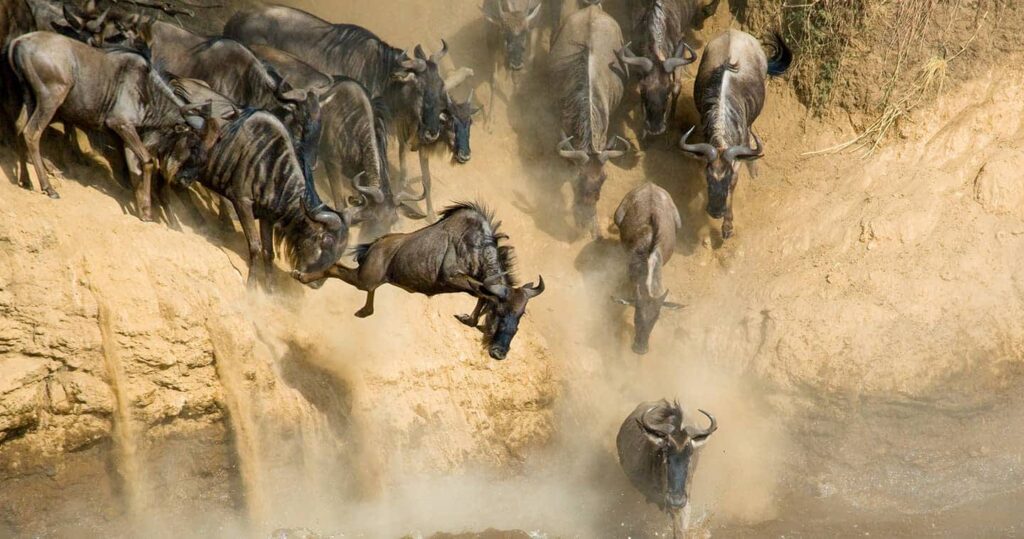
Where can I see the Great Migration in Tanzania? This question draws thousands of wildlife enthusiasts, photographers, and adventure travelers from around the globe, eager to witness one of nature’s most dramatic spectacles. The Great Migration is the annual movement of over 1.5 million wildebeest, accompanied by hundreds of thousands of zebras and gazelles, traveling across the plains of East Africa in search of fresh grazing and water. For travelers seeking a Tanzania Safari experience, understanding the migration’s flow through Tanzania’s iconic parks is essential to maximize wildlife encounters and create a Kenya Best Safari and Tanzania Safari itinerary that truly captures the scale and drama of this phenomenon.
Unlike typical wildlife excursions, observing the Great Migration involves dynamic experiences: predators stalking the herds, river crossings with crocodiles lying in wait, and calves taking their first steps in the vast Serengeti ecosystem. These events unfold across multiple Tanzanian destinations, including the Serengeti National Park, Ngorongoro Conservation Area, and the surrounding western corridors that lead toward Kenya’s Maasai Mara. Each park offers unique opportunities for Tanzania Cultural Safari engagements and Kenya Birding Safaris extensions, blending wildlife observation with human heritage and avian diversity.
Reaching Tanzania’s migration hotspots is facilitated via flights into Kilimanjaro International Airport or Arusha, followed by domestic airstrips serving the Serengeti and Ngorongoro. Road transfers are also available for those wishing to experience the scenic Tanzanian countryside. Expectations during this Tanzania Safari include guided game drives, expert wildlife interpretation, photographic opportunities, and optional cultural excursions. Costs vary depending on accommodation choices, park fees, and season, ranging from mid-range packages of $350–$600 per day to luxury safaris exceeding $1,000 per person per day. Partnering with African Fly-in Safaris ensures that your journey is meticulously planned, balancing wildlife adventure, cultural immersion, and ecological insight for a truly unforgettable Great Migration experience.

 How Does Serengeti National Park Showcase the Great Migration?
Where can I see the Great Migration in Tanzania within Serengeti National Park? Serengeti National Park is the heart of the migration, renowned worldwide for its endless plains and unparalleled wildlife density. Between January and March, southern Serengeti serves as the calving ground for thousands of wildebeest, offering close-up encounters with newborn calves while predators such as lions, cheetahs, and hyenas actively hunt, creating a natural drama that defines Tanzania Safari adventures.
Visitors reach Serengeti National Park through flights from Kilimanjaro International Airport or via road transfers from Arusha, typically spanning 6–8 hours through picturesque landscapes. Guided game drives are the primary method of exploring the park, with expert rangers offering detailed ecological insights. Tanzania Cultural Safari options are also available near the park, including visits to Maasai communities where travelers can learn about traditional pastoralist lifestyles, artisanal crafts, and cultural heritage, providing a multidimensional safari experience.
Expect full-day excursions, early morning and late afternoon drives to optimize wildlife sightings, and opportunities to capture breathtaking photographs. Costs for Tanzania Safari packages in Serengeti range from moderate options of $350–$600 per person per day to premium luxury experiences exceeding $1,000 daily. The best time to visit Serengeti for the Great Migration is between June and October, when herds move through central and northern corridors toward Kenya’s Maasai Mara. Choosing African Fly-in Safaris ensures expertly planned itineraries that maximize encounters, integrate cultural experiences, and provide the highest standards of comfort and safety.
Why Is Ngorongoro Conservation Area Essential for Observing the Great Migration?
Where can I see the Great Migration in Tanzania within Ngorongoro Conservation Area? The Ngorongoro Conservation Area offers a unique vantage point for observing migratory patterns in a dramatic volcanic landscape. While the calving season primarily occurs in southern Serengeti, the crater and surrounding highlands become important grazing zones during the dry season, attracting wildebeest, zebras, and gazelles alongside resident wildlife such as elephants, rhinos, and black-backed jackals.
Accessing the Ngorongoro Conservation Area involves flying into Kilimanjaro or Arusha, followed by a scenic drive of 3–5 hours. Visitors can explore the crater floor through guided game drives that balance wildlife viewing with environmental interpretation, while Tanzania Cultural Safari opportunities allow interaction with the local Maasai, who share their pastoral traditions and ecological knowledge, enhancing the authenticity of the Tanzania Safari experience.
Expect moderately long drives over uneven terrain and daily excursions designed to maximize sightings of migratory herds and endemic species. Safari costs vary depending on accommodation—ranging from mid-range lodges to luxury tented camps—plus conservation fees. Dry months between June and October provide optimal conditions for observing herd concentration and dramatic predator-prey interactions. Choosing African Fly-in Safaris ensures professional guidance, strategic positioning near herd movements, and seamless integration of wildlife observation with cultural encounters, making Ngorongoro a key highlight in any Tanzania Safari focused on the Great Migration.
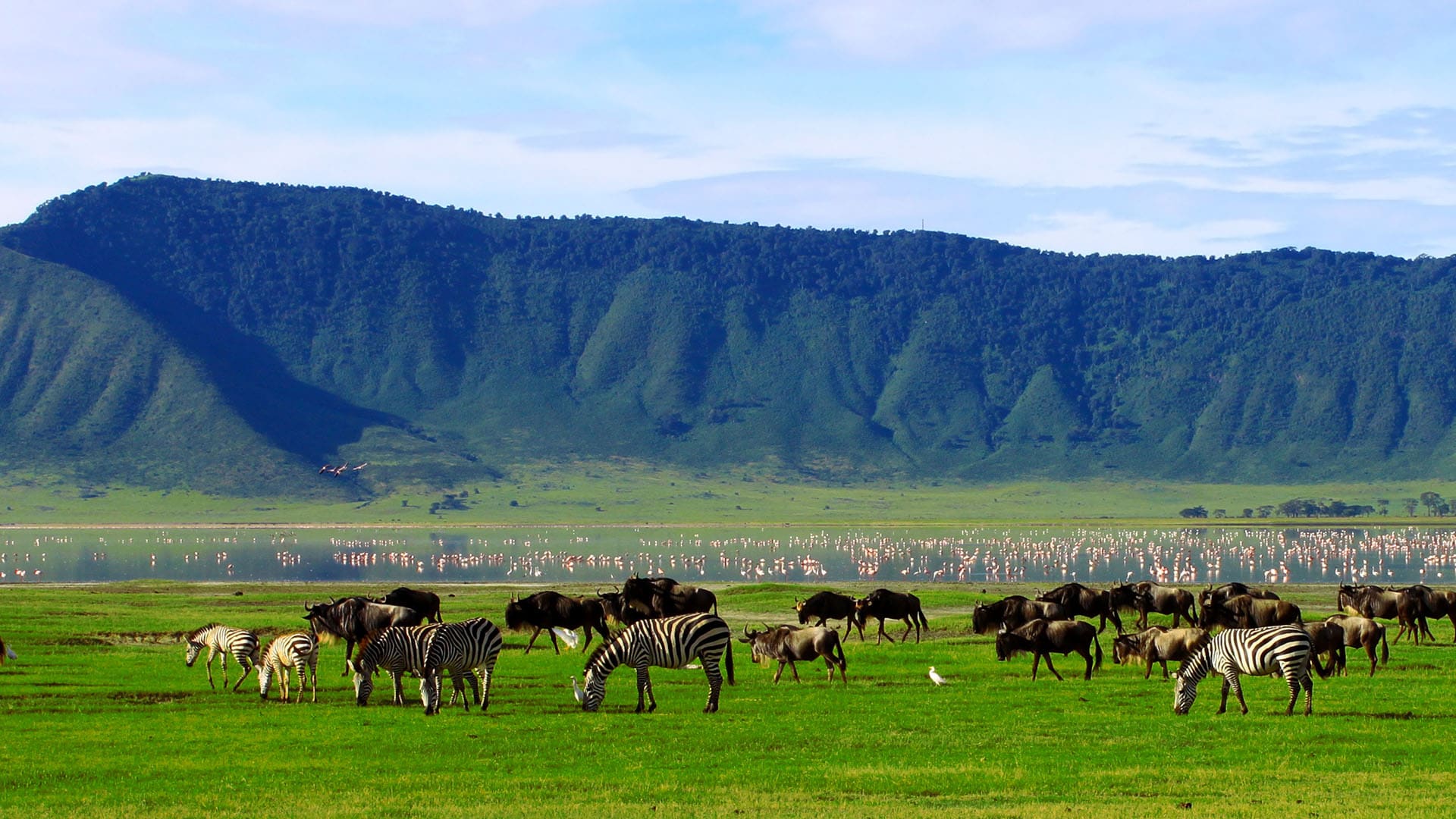
Ngorongoro Conservation Crater
What Are the Western Serengeti Corridors and Their Role in the Great Migration?
Where can I see the Great Migration in Tanzania’s western corridors? The Western Serengeti, comprising areas such as Grumeti and Ikorongo, acts as a vital transition zone where herds travel from southern calving grounds toward northern Serengeti and Maasai Mara. These corridors feature savannah plains punctuated by acacia woodlands and rivers, providing crucial grazing and water for migrating wildlife.
Travelers can access the western corridors through scheduled flights from Arusha or by road via scenic routes connecting central Serengeti lodges. Guided game drives focus on observing herd movement, predator activity, and birdlife diversity, offering an exceptional Tanzania Birding Safaris experience alongside the main Tanzania Safari itinerary. Cultural interactions with local communities along these corridors provide additional layers of learning and engagement through Tanzania Cultural Safari excursions.
Expect moderately long daily drives, opportunities for sunrise and sunset photography, and close encounters with zebras and wildebeest. Costs are determined by accommodation choice, park access fees, and vehicle services. Optimal visitation occurs from June to October during the dry season, when herds are concentrated and river crossings are most visible. By exploring these western corridors, travelers gain insight into the full ecological journey of the Great Migration, observing the intricate balance between wildlife, habitat, and local communities.
Why Choose African Fly-in Safaris to Experience the Great Migration in Tanzania?
Where can I see the Great Migration in Tanzania with expert guidance? Choosing African Fly-in Safaris guarantees a Tanzania Safari designed with precision, safety, and authentic wildlife engagement. Our team leverages extensive field experience to track herd movements, recommend optimal timing, and select lodges and camps positioned for the most dramatic encounters.
Commitment to sustainable tourism ensures that every safari supports conservation initiatives, community engagement, and wildlife protection. Comprehensive Tanzania Safari packages integrate Kenya Best Safari extensions, allowing seamless cross-border tracking of herds and providing a holistic understanding of the Great Migration ecosystem. Transparent pricing, personalized itineraries, and professional guides make every aspect of your safari seamless and memorable.
Ultimately, where can I see the Great Migration in Tanzania? With African Fly-in Safaris, travelers experience the breathtaking movement of herds, predator-prey dynamics, and spectacular landscapes while benefiting from expert guidance, cultural enrichment, and luxurious accommodations. Each itinerary is meticulously curated to provide unmatched insight into one of the planet’s most iconic natural events, ensuring your Tanzania Safari is both transformational and unforgettable.